The nucleus is often referred to as the control center of the cell, housing our genetic blueprint and orchestrating crucial processes, including reproduction. Understanding its role is vital for anyone on a fertility journey, as it influences everything from the formation of eggs and sperm to genetic health. Whether you’re exploring options like IVF or artificial insemination, knowing how the nucleus functions can empower you to make informed decisions about your reproductive health. It’s not just about science; it’s about hope, choices, and the paths we can take toward building a family. Join us as we delve deeper into the nucleus’s fascinating role in reproduction, shedding light on how it impacts fertility and highlighting the steps we can take together on this journey.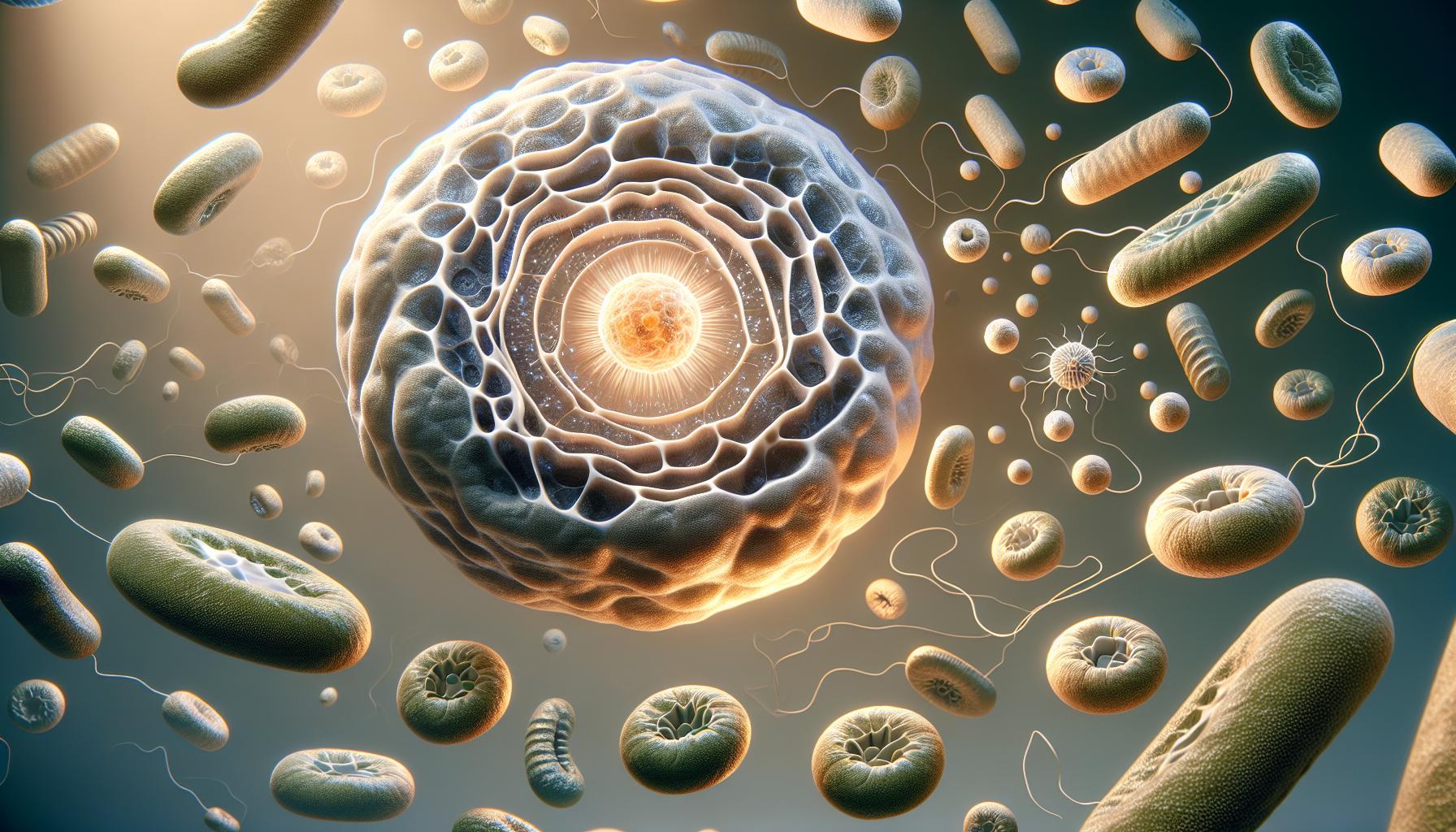
Understanding the Nucleus: The Cell’s Control Center
The nucleus serves as the brain of the cell, playing a pivotal role in regulating reproductive processes that are central to the continuity of life. This small, membrane-bound organelle contains our genetic blueprint, DNA, organized into chromosomes, which carry the instructions necessary for growth, development, and reproduction. At the heart of reproduction, the nucleus is responsible for ensuring that genetic information is accurately replicated and passed on during cell division. The integrity of genetic material is essential; any errors can lead to reproductive issues, which is why monitoring nuclear stability and functionality is crucial for both reproductive health and successful conception.
Within the nucleus, DNA undergoes a remarkable transformation depending on the phase of the cell cycle. During interphase, DNA is loosely packed in a form known as chromatin, allowing for transcription and replication. However, as cells prepare for division, DNA condenses into tightly packed chromosomes. This efficient organization is vital for the equitable distribution of genetic material to daughter cells during mitosis and meiosis-two forms of cell division that are at the core of reproduction in eukaryotic organisms. Understanding this dynamic process encourages individuals to appreciate the delicate balance within cellular functions and their direct impact on fertility.
Moreover, the role of the nucleus extends far beyond mere genetic management. It actively regulates gene expression through complex signaling pathways, influencing how cells respond to reproductive hormones. For instance, hormonal changes can trigger the activation or suppression of specific genes within the nucleus, shaping the reproductive landscape. This intricate interplay between the nucleus and hormone signaling pathways illustrates the need for holistic approaches to reproductive health, where factors such as stress, nutrition, and environment are all seen as interconnected influences on fertility.
As you navigate your reproductive journey, recognizing the importance of the nucleus in cellular function can empower you. Stay informed about how lifestyle choices might affect your reproductive health and consider seeking guidance from healthcare professionals who can provide support tailored to your unique challenges and aspirations. Every step taken toward understanding your biology is a step toward informed choices about family-building, whether through natural conception, assisted reproductive technologies, or alternative pathways.
The Role of the Nucleus in Cell Function
The nucleus functions as the heart of cellular activity, guiding countless processes critical to life, particularly reproduction. By housing the cell’s genetic material, the nucleus enables the synthesis of proteins that play vital roles in various cellular functions, including those related to fertility. Understanding how this central control unit operates can empower individuals to better navigate their reproductive health journeys.
At the core of the nucleus lies DNA, which serves as the instruction manual for every cell. This genetic blueprint is neatly packaged into structures called chromosomes, which ensure accurate replication and distribution of genetic material during cell division. This process is crucial not only for growth and tissue repair but also for reproduction. Each time a cell divides, whether during the creation of sperm and eggs or when the body regenerates tissue, the nucleus orchestrates a seamless handover of genetic information. Any glitches in this process can lead to reproductive challenges, highlighting the importance of a stable and functioning nucleus.
Beyond merely storing genetic information, the nucleus plays an active role in regulating gene expression. This means that it can dictate which genes are turned on or off in response to various internal and external signals, including hormones. For example, hormonal fluctuations in the menstrual cycle can significantly influence how genes in the nucleus interact, ultimately affecting ovulation and menstrual health. Recognizing the interplay between the nucleus, gene expression, and hormonal signaling offers a holistic view of reproductive health, leading to informed decisions and potential interventions for those facing fertility challenges.
In embracing the complexities of how the nucleus contributes to cell function and reproduction, individuals can cultivate a deeper appreciation for their bodies. Feeling empowered with knowledge regarding how lifestyle choices impact nuclear function can lead to proactive steps in supporting reproductive health. Whether it’s through maintaining a balanced diet, managing stress, or seeking professional advice, understanding the nucleus’s role can illuminate the path toward achieving family-building goals.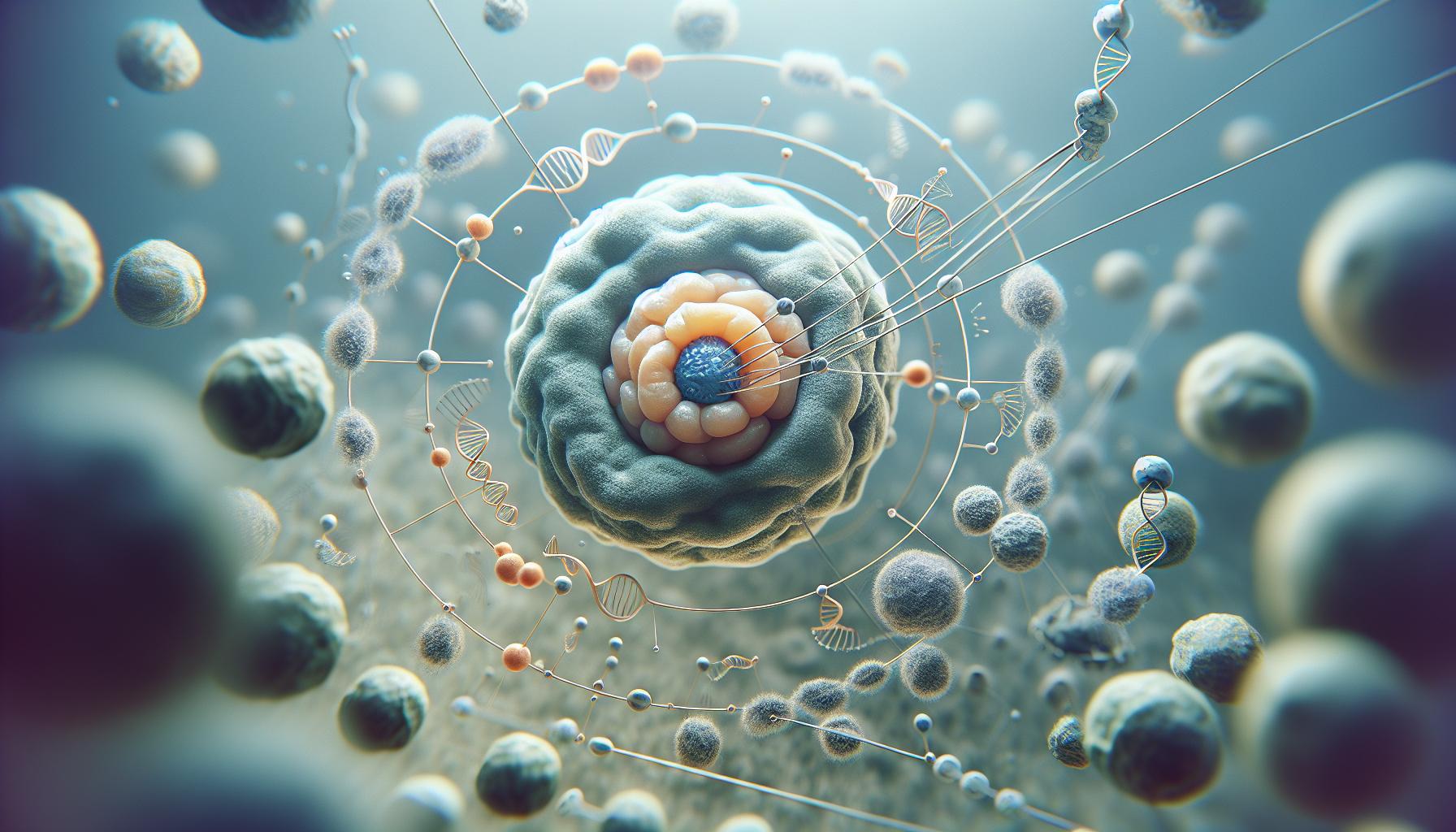
How the Nucleus Regulates Reproduction
Every human body is a complex network of systems working in harmony, with the nucleus of each cell playing a pivotal role in regulating reproduction. The nucleus serves as the command center, managing not only the storage of genetic material but also the intricate processes involved in reproduction, including the synthesis of essential proteins and the coordination of cellular activities. It is within this cellular nucleus that DNA resides, meticulously guiding the development of sperm and eggs, as well as influencing patterns of growth and repair throughout the body.
The regulation of reproduction begins with the nucleus’s ability to control gene expression. This control is achieved through a dynamic interplay between hormones and the genetic material it houses. For instance, during the menstrual cycle, fluctuating hormone levels trigger specific genes to activate or deactivate, which can directly affect ovulation and the overall reproductive health of individuals. Understanding this relationship empowers individuals to make informed decisions about their reproductive health, be it through lifestyle changes that support hormonal balance or by seeking medical guidance when necessary.
Moreover, as the information within the nucleus is not static, it undergoes changes that align with the reproductive cycle. During crucial phases, such as ovulation, the nucleus orchestrates the necessary genetic adjustments that prime the body for potential conception. This includes the activation of specific genes that promote egg maturation and prepare the uterine lining for implantation. Recognizing these phases allows for a better grasp of fertility, helping individuals to identify peak times for conception and better navigate their reproductive journeys.
Encouragingly, individuals can influence their reproductive health by fostering a supportive environment for their nuclei. Prioritizing nutrition, managing stress levels, and maintaining regular physical activity can enhance nuclear function. This holistic approach acknowledges the emotional weight carried through the fertility journey, honoring the complex blend of hope, uncertainty, and the personal nature of family-building paths. Whether one is considering IVF, adoption, or simply exploring their fertility options, understanding the nucleus’s role provides valuable insights that can lead to proactive and informed choices.
Genetic Material: DNA’s Influence on Reproduction
Understanding the intricate role that DNA plays in reproduction is essential for anyone navigating their fertility journey. DNA, housed within the nucleus, is the blueprint for life-it contains the instructions that guide the development of reproductive cells and the processes that lead to conception. Each strand of DNA carries genes that are critical in forming the structure and function of gametes, or sperm and eggs, and influencing hormonal responses during the reproductive cycle. The delicately balanced expression of these genes determines everything from egg maturation to the preparation of the uterine lining for implantation, highlighting how vital this genetic material is to successful reproduction.
The interplay between DNA and reproduction goes beyond the physical mechanics of creating life; it is deeply woven into the emotional fabric of the family-building journey. For example, understanding how chromosomal abnormalities can impact fertility can be a source of both grief and clarity. When potential parents learn that certain genetic conditions may affect their chances of conceiving or the health of a future child, it can be emotionally overwhelming. Yet, knowledge empowers. Genetic counseling is an invaluable resource that can help individuals understand their options, including prenatal testing, IVF with preimplantation genetic diagnosis, and other assisted reproductive technologies. These options allow for informed decisions that respect personal values and family desires while addressing medical realities.
Moreover, the nucleus does not operate in isolation. It is influenced by environmental factors, health, and lifestyle choices. Nutrition, exercise, and stress management play pivotal roles in optimizing nuclear function and consequently, reproductive health. For instance, a diet rich in antioxidants can help protect DNA from damage, while regular physical activity can promote hormonal balance, enhancing fertility. Creating a supportive environment for your cells can foster a sense of control and agency in your reproductive health journey, giving you the tools to navigate the uncertainties with grace and resilience.
Recognizing the emotional weight of each step in the reproductive process is crucial. Whether facing challenges or celebrating milestones, it is important to honor your feelings and seek support when needed. The journey towards conception is uniquely personal and can be filled with hope, uncertainty, and sometimes grief. Approaching it with compassion toward yourself and others makes all the difference. Remember, while DNA has a profound influence on reproduction, your experience is equally valid and deserving of respect.
The Importance of Chromosomes in Cell Division
The role of chromosomes in cell division is pivotal for maintaining the genetic integrity of all living organisms, particularly in the context of reproduction. During cell division, chromosomes, which are tightly coiled structures of DNA and protein, ensure that genetic material is accurately replicated and distributed to daughter cells. This process is essential not only for growth and development but also for the health and viability of reproductive cells-sperm and eggs. Understanding how chromosomes function during this critical phase can illuminate the challenges faced by individuals on their fertility journeys.
During cell division, chromosomes undergo a fascinating transformation. Before a cell divides, it duplicates its chromosomes, resulting in two identical sets, each comprised of two sister chromatids. These chromatids are held together at a region called the centromere. As division progresses, these chromatids are pulled apart by spindle fibers, ensuring that each daughter cell receives an exact copy of the genetic material. This precision is crucial; any discrepancies-such as missing or extra chromosomes-can lead to conditions like Down syndrome or Turner syndrome, which can significantly impact reproductive health and bring emotional challenges to prospective parents.
Moreover, the structure of chromosomes plays a vital role in the regulation of gene expression, impacting everything from fertility to fetal development. For instance, a healthy balance of chromosomes is associated with successful ovulation and sperm motility, two key factors in conception. Understanding the chromosomal makeup and potential abnormalities can empower individuals and couples to seek appropriate medical advice, including genetic counseling. This support can clarify their options, whether considering preimplantation genetic diagnosis during IVF or exploring other reproductive technologies.
Fostering a supportive environment for reproductive health also extends to lifestyle choices that impact cellular and chromosomal function. Factors such as nutrition, exercise, and stress management contribute to chromosomal stability, which in turn can enhance fertility outcomes. Nutrients like folic acid and antioxidants can help reduce oxidative stress, protecting DNA from damage. Feeling informed and empowered in these areas allows individuals to navigate their reproductive journeys with greater resilience and hope, transforming what can often feel like overwhelming challenges into manageable steps forward.
Nuclear Dynamics: How Nuclei Change During Reproduction
During the intricate processes of reproduction, nuclei undergo remarkable transformations that are crucial for the successful formation of new life. As cells prepare to divide, especially during meiosis-the type of cell division that produces gametes-nuclear dynamics become vital. The nucleus serves as a command center, guiding the replication and distribution of genetic material with precision and care. This precision is essential not just for the immediate development of eggs and sperm, but also for the long-term health of potential offspring.
As the reproductive cells undergo maturation, the nuclear envelope breaks down, allowing for the rearrangement of chromosomes within the nucleus. This stage is where the magic happens-chromosomes, which are densely packed strands of DNA, condense into clearly visible structures. This makes it easier for the cell’s machinery to ensure that each new cell will inherit the correct genetic information. During meiosis, homologous chromosomes pair up and exchange segments through a process known as crossing over. This not only contributes to genetic diversity but also reinforces the importance of trusting that the nucleus is functioning optimally, as it impacts not only individual health but also the health of future generations.
Keeping a watchful eye on nuclear dynamics is essential for anyone traversing the journey of fertility. Changes in nuclear function can lead to chromosomal anomalies, which may have profound implications for reproductive health. These anomalies can result in failed cycles of IVF or other assisted reproductive technologies. Therefore, understanding the mechanisms at play helps individuals and couples take proactive steps in their reproductive health. Consultation with fertility specialists, genetic counseling, and targeted lifestyle adjustments-such as ensuring a balanced diet rich in antioxidants and stress management-can bolster nuclear integrity and improve outcomes.
Staying informed about the nuclear processes involved in reproduction can empower those on their family-building pathways. By recognizing the profound role that the nucleus plays-not just as a cellular command center, but as a foundation for future generations-individuals navigating infertility can find solace and strength in their journeys, assuring themselves that they are investing in the hope and potential of new life.
Comparing Eukaryotic and Prokaryotic Nuclei
Eukaryotic cells, which include plants, animals, and fungi, possess a well-defined nucleus that serves as the control center for genetic material. This compartmentalization allows for complex regulation of gene expression and transcriptions, aligning perfectly with the intricacies of reproduction. The presence of a nuclear envelope facilitates the separation of transcription and translation processes, providing a regulated environment for DNA replication and repair, particularly during cell division. During reproduction, eukaryotic cells go through meiosis, where the dynamic changes in the nucleus ensure that genetic material is accurately distributed, thus preserving genetic integrity across generations.
In contrast, prokaryotic cells, primarily represented by bacteria, lack a membrane-bound nucleus. Instead, their genetic material is concentrated in a region called the nucleoid, where DNA is not separated from the rest of the cell’s components. This simplicity means that prokaryotic cells can reproduce through binary fission, a more straightforward and rapid process compared to the intricate meiotic divisions found in eukaryotes. The absence of organelles like a nucleus might lead some to underestimate prokaryotes, but their ability to adapt quickly and reproduce efficiently plays a crucial role in their survival and evolution.
Understanding these distinctions not only underscores the remarkable complexity of eukaryotic reproduction but also highlights the efficiency and resilience of prokaryotic life forms. For individuals navigating their reproductive journeys, recognizing these differences can enhance appreciation for biological processes and may invoke new ways of thinking about fertility and genetic health. By grasping how different types of cells handle their genetic material and reproduction, individuals may feel more empowered to engage in conversations with healthcare providers, helping to navigate their own paths toward family-building with informed perspectives and hope.
Ultimately, understanding the architecture and function of nuclei-whether in eukaryotic or prokaryotic cells-provides essential insights into the fundamental mechanisms of life. It reminds us of the interconnectedness of all living organisms and the intricate dance of biology that supports reproduction, health, and the potential for new life. This knowledge can serve as a foundation for informed choices and proactive measures in reproductive health, affirming that the journey through fertility is supported by a rich tapestry of biological understanding.
Cell Cycle Phases: The Nucleus in Action
The cell cycle is a fascinating and intricate journey that highlights the nucleus’s pivotal role in reproduction and genetic integrity. During this cycle, the nucleus orchestrates the critical processes of growth, DNA replication, and cell division, ultimately ensuring that genetic information is accurately transmitted to daughter cells. Understanding the phases of the cell cycle enhances our appreciation for the complex biology underlying fertility and reproduction.
The cell cycle consists of several key stages: G1 (Gap 1), S (Synthesis), G2 (Gap 2), and M (Mitosis). Each phase is meticulously regulated, providing opportunities for the cell to assess its environment and resources, making it crucial for reproductive health.
Key Phases of the Cell Cycle
- G1 Phase: This is the first growth phase, where the cell grows and synthesizes proteins necessary for DNA replication. Cellular damage can be repaired in this stage, ensuring that only healthy cells proceed to the next phase.
- S Phase: The nucleus replicates its DNA in this phase, producing two identical sets of chromosomes. This doubling is vital for reproduction, as it ensures that each new cell will have the same genetic material as the parent cell.
- G2 Phase: The second growth phase involves further preparation for mitosis. The cell continues to grow and produces additional proteins and organelles, while also checking for any errors in the newly replicated DNA.
- M Phase: This phase encompasses mitosis, the process where the nucleus divides, distributing the duplicated chromosomes evenly into two new daughter cells. This is a critical moment for maintaining genetic integrity during cell reproduction.
Throughout these phases, regulatory checkpoints serve as quality control mechanisms, ensuring that cells do not proceed with division under unfavorable conditions. For individuals navigating the complexities of fertility, recognizing these phases can illuminate the biological processes behind treatments like in vitro fertilization (IVF) and other reproductive technologies, which often hinge on the successful manipulation of cell cycle dynamics.
Understanding the cell cycle fosters a deeper connection to reproductive health, providing insights into how well-functioning cellular processes can support successful conception and pregnancy. Embracing this knowledge is crucial for anyone on their family-building journey, empowering them to ask informed questions and make educated decisions about their reproductive options.
Nucleus vs. Other Cell Organelles in Reproduction
The nucleus is often hailed as the control center of the cell, crucial for reproduction and genetic fidelity, but it operates in concert with various other organelles to facilitate these processes. Understanding how these cellular components work together illuminates the complex symphony that supports successful reproduction and overall cellular health.
The endoplasmic reticulum (ER) and Golgi apparatus play vital roles in processing and transporting proteins synthesized in the ribosomes, which are essential for various reproductive functions. For instance, the ER helps in the initial folding of proteins-some of which may be hormones or enzymes involved in reproductive cycles. Meanwhile, the Golgi apparatus fine-tunes these proteins, ensuring they are properly modified and targeted to their destinations. This cooperation ensures that reproductive hormones, such as estrogen and testosterone, are efficiently produced and secreted, regulating reproductive processes.
Furthermore, mitochondria, often referred to as the powerhouse of the cell, provide the energy necessary for cellular activities, including those related to reproduction. The energy demands during processes like sperm motility and egg maturation are significant, highlighting how mitochondria support the functioning of the reproductive system. Any dysfunction in these organelles could lead to issues such as reduced fertility and hormonal imbalances.
The nucleus, while central in maintaining genetic integrity through DNA replication and repair, also relies heavily on the activities of these organelles to respond to signals that dictate the cell’s reproductive status. For example, environmental stressors or hormonal changes can trigger pathways that lead to the activation of specific genes in the nucleus to promote cellular changes necessary for reproduction. Thus, the interplay between the nucleus and organelles like the ER, Golgi apparatus, and mitochondria exemplifies a finely tuned system for successful reproduction.
Recognizing this collaborative relationship among cell organelles can empower individuals to better understand reproductive health. Whether navigating fertility treatments or seeking to enhance reproductive wellness, appreciating how these cellular components interact can lead to more informed decisions and a deeper connection to one’s reproductive journey.
Disorders Related to Nucleus Dysfunction
Dysfunction in the nucleus can lead to a variety of disorders that significantly impact reproductive health. The nucleus plays a vital role in managing the genetic information essential for cell function and reproduction. When its capabilities are compromised, the consequences can be profound and multifaceted, leading to challenges such as infertility, genetic disorders, and even cancer. Understanding these complications is crucial for those navigating fertility issues.
One of the most common disorders associated with nuclear dysfunction is chromosomal abnormalities. These can arise from errors during cell division, leading to conditions such as Down syndrome or Turner syndrome. In these cases, the nucleus may fail to replicate DNA accurately, resulting in a surplus or deficit of chromosomes that can affect reproductive capabilities and overall health. Individuals with these disorders often experience challenges in conception or may face a higher risk of miscarriage.
Additionally, epigenetic changes-modifications in gene expression without altering the DNA sequence-can also occur within the nucleus, influencing reproductive success. These changes can be triggered by environmental factors, stress, or hormonal imbalances. For instance, if genes regulating hormone production are epigenetically modified, it can result in conditions like polycystic ovary syndrome (PCOS), which directly impacts fertility. Understanding these nuances can empower individuals to make informed health decisions, perhaps even exploring lifestyle changes that promote a healthier epigenomic environment.
Furthermore, the health of the nucleus is closely tied to nuclear envelope integrity. Disorders such as muscular dystrophy and certain types of cancer can stem from nuclear envelope dysfunction, disrupting the hormonal signals necessary for reproductive health. Disturbances in nuclear structure may compromise DNA repair processes and lead to genomic instability, further complicating reproductive outcomes.
In summary, recognizing the critical role of nuclear health in reproduction is essential for those facing fertility challenges. Awareness of the potential disorders associated with nucleus dysfunction can help individuals communicate effectively with healthcare providers and seek appropriate interventions. The path to understanding and improving reproductive health is complex, but knowledge is a powerful tool in navigating this journey.
Future Research: Innovations in Nuclear Biology
The field of nuclear biology is rapidly advancing, revealing new insights into the intricate role the nucleus plays in reproduction and overall cell health. As researchers explore the complexities of nuclear function, exciting innovations are emerging that could transform our understanding of fertility, genetic diseases, and reproductive health. For instance, studies on the mechanisms of gene regulation and DNA repair within the nucleus are paving the way for targeted therapies that could mitigate the effects of chromosomal abnormalities.
One promising area of research focuses on epigenetic modifications, which play a crucial role in how genes are expressed without altering the underlying DNA sequence. Scientists are investigating how environmental factors and lifestyle choices can potentially reverse harmful epigenetic changes. This approach not only offers the hope of improving reproductive outcomes for individuals suffering from conditions like PCOS but also empowers them to take proactive steps in their health journeys.
Another critical frontier involves nuclear envelope integrity. Innovations in gene therapy might soon be able to address disorders arising from nuclear envelope dysfunction, such as those affecting muscle and reproductive health. By strengthening the nuclear envelope or correcting genetic missteps, we could enhance cellular stability and resilience, potentially improving fertility rates among affected individuals.
In the broader context, ongoing research is also examining the connections between nuclear health and systemic conditions. By understanding how the nucleus interacts with other organelles during reproduction, we can develop more holistic treatment strategies that address both cellular and systemic factors influencing fertility. This integrative approach is essential as it recognizes that reproductive health doesn’t exist in a vacuum but rather interplays across various bodily systems.
As advancements in technology and genetic engineering tools continue to develop, they hold the potential to revolutionize reproductive health care. For those navigating the complex and emotionally charged path of fertility, staying abreast of these innovations can provide hope and guidance. Embracing this knowledge allows individuals to actively participate in their health decisions, fostering a sense of control and empowerment as they seek to create the families they desire.
How to Support Reproductive Health Through Cell Knowledge
Navigating the journey of reproductive health can feel overwhelming, but understanding the role of the nucleus in cellular function can provide valuable insights and actionable steps for enhancing fertility. The nucleus, often referred to as the cell’s control center, houses our genetic material and plays a crucial role in regulating cellular activities, including reproduction. By focusing on nurturing cellular health, individuals can potentially improve reproductive outcomes.
One effective way to support reproductive health is through maintaining a balanced lifestyle. Factors such as nutrition, exercise, and stress management significantly influence how the nucleus and its associated functions behave. Here are some practical steps you can take:
- Nutrition: Consume a diet rich in fruits, vegetables, whole grains, and lean proteins. Nutrients like folic acid, antioxidants, and omega-3 fatty acids support cellular function and help promote healthy ovulation.
- Exercise: Regular physical activity enhances blood flow and hormonal balance, which can lead to improved ovulatory function. However, balance is key-excessive exercise can have negative effects on fertility.
- Stress management: Chronic stress can disrupt the hormonal balance necessary for ovulation and can affect overall reproductive health. Incorporating mindfulness practices, yoga, or meditation can support emotional well-being and hormonal regulation.
Another essential aspect of reproductive health is understanding how the environment influences genetic expression through epigenetics. Environmental factors, such as exposure to toxins and lifestyle choices, can impact gene expression related to fertility. Individuals can advocate for their health by being mindful of their environment and making informed choices:
- Avoid toxins: Limit exposure to environmental pollutants and chemicals found in plastics, pesticides, and personal care products. Opt for natural alternatives when possible.
- Educate yourself: Stay informed about the potential effects of environmental factors on reproductive health, allowing for proactive decision-making.
Finally, staying engaged with medical professionals and support networks can be incredibly beneficial. Whether considering IVF, artificial insemination, or exploring other options, having the right support-whether from healthcare providers, friends, or online communities-can provide not only practical guidance but emotional reassurance. Participating in discussions about individual experiences, treatment journeys, and coping strategies can foster a sense of community and empowerment throughout the fertility process.
By taking a holistic approach to understanding and supporting nuclear health, individuals can cultivate a healthier reproductive environment, ultimately enhancing their chances of achieving their family-building goals.
Frequently Asked Questions
Q: What is the primary function of the nucleus in reproduction?
A: The primary function of the nucleus in reproduction is to house *genetic material*, specifically *DNA*. This genetic information is critical for cell division and *hereditary traits*, ensuring that offspring receive genetic instructions from their parents.
Q: How does the nucleus influence genetic inheritance?
A: The nucleus influences genetic inheritance by containing chromosomes that carry genes. During reproduction, the nucleus ensures the accurate *replication and distribution* of these chromosomes, which determines the traits an offspring will inherit from each parent.
Q: What role do chromosomes play in the process of cell division?
A: Chromosomes play a crucial role in cell division by ensuring *proper separation* and distribution of genetic material to daughter cells. This process, primarily managed by the nucleus during mitosis and meiosis, maintains genetic stability.
Q: How do environmental factors affect nuclear function in reproduction?
A: Environmental factors, such as *toxins and radiation*, can negatively impact nuclear function, leading to *mutations or chromosomal abnormalities*. These alterations may affect reproduction by compromising genetic integrity, potentially resulting in infertility or developmental issues.
Q: What are some disorders related to nuclear dysfunction affecting reproduction?
A: Disorders such as *Down syndrome* and Turner syndrome occur due to nuclear dysfunction. These conditions arise from chromosomal abnormalities that can impair reproductive health and results in specific physical and developmental traits.
Q: How does the nucleus change during the cell cycle phases?
A: The nucleus undergoes significant changes during the cell cycle phases. In preparation for division, it expands and duplicates its DNA during the *S phase*, while during mitosis, it condenses into visible chromosomes before splitting into two separate nuclei.
Q: Can the structure of the nucleus differ between eukaryotic and prokaryotic cells?
A: Yes, the structure of the nucleus differs significantly. Eukaryotic cells have a well-defined nucleus containing a nuclear membrane, while prokaryotic cells lack a true nucleus, with their genetic material located in a region called the *nucleoid*.
Q: What is the significance of nuclear dynamics in reproduction?
A: Nuclear dynamics are pivotal during reproduction as they involve the *reorganization and alteration* of the nucleus that supports cell division, gene expression, and the maintenance of genetic information, essential for the reproduction of healthy cells.
To Wrap It Up
Understanding the nucleus’s vital role in reproduction is just the beginning of your journey into cellular biology. By grasping how this powerful part of the cell regulates life itself, you’re equipped with knowledge that amplifies your appreciation for the intricate workings of life. Now, don’t stop here! Explore our related articles on cell division processes and the importance of DNA to deepen your insights further.
If you have more questions about reproduction or cell biology, leave a comment below! We’re here to help you navigate this fascinating field. And remember, subscribing to our newsletter will keep you updated on the latest findings and resources to enhance your learning experience. The nucleus holds the key to life; let your curiosity lead you to the next discovery!
Get our latest guides, news, and insights highlighted in your Google Search & AI Overviews.