Did you know that the foods you eat can significantly impact your fertility? Many people overlook diet as a crucial factor in their journey to conceive. Certain foods may unknowingly contribute to infertility by affecting hormone levels, reproductive health, and overall wellbeing. Understanding which dietary choices to avoid can empower you to take charge of your fertility and enhance your chances of conception. In this article, we will explore the diet dangers that may hinder your path to parenthood and provide supportive guidance on making informed, healthy choices that align with your family-building goals. Embrace this opportunity to learn how you can nourish your body and mind while navigating this emotional journey.
What Foods Could Impact Your Fertility?
When considering the journey toward conception, it’s essential to recognize that foods we consume can significantly influence fertility. Research indicates that a diet rich in processed foods can be detrimental to hormonal balance and reproductive health. These foods often contain unhealthy fats, excessive sugars, and additives that can contribute to inflammation and disrupt normal hormonal functions.
Types of Foods That May Hinder Fertility
- Processed Foods: Items like refined grains, sugary snacks, and fast foods can lead to insulin resistance and inflammation, both of which are linked to impaired fertility. Substituting these with whole foods can create a more supportive environment for conception.
- Sugary Beverages: Excessive sugar intake, particularly from sodas and sweetened drinks, may negatively impact reproductive hormones and lead to weight gain, a known factor affecting fertility.
- Unhealthy Fats: Trans fats found in fried and processed snacks can alter estrogen levels and may negatively affect ovulation. Opting for healthier fats, such as those from avocados, nuts, and olive oil, can be beneficial.
- Caffeine: While moderate caffeine consumption may not pose significant risks, excessive intake can affect hormonal balance and overall fertility. It may be wise to limit caffeine intake, especially in preconception stages.
- Alcohol: High alcohol consumption can interfere with ovulation and implantation, increasing the risk of infertility. It’s recommended to moderate alcohol intake when trying to conceive.
Choosing a balanced diet rich in whole foods can foster optimal conditions for conception. Foods high in antioxidants, like fruits and vegetables, and those packed with omega-3 fatty acids, such as fatty fish, can enhance reproductive health. Understanding the impact of various foods on fertility can empower couples in their family-building journey, helping them make informed choices that support their goal of conception.
Understanding the Connection Between Diet and Infertility
The foods we choose to consume can profoundly influence our reproductive health and overall fertility. Scientific research has shown a direct connection between diet and infertility; for instance, women who maintain a healthy diet often experience improved ovulation and hormonal balance, while those who opt for processed and high-sugar diets may face challenges in conceiving. This relationship stems from how foods affect our body’s hormonal system, which plays a crucial role in reproductive function.
Dietary choices impact insulin sensitivity and inflammation levels, both significant factors in fertility. High consumption of refined carbohydrates and sugars can lead to insulin resistance, which may affect ovulation and menstrual regularity. Conversely, diets rich in whole grains, fruits, vegetables, and lean proteins promote a healthy weight and optimal hormone levels, creating an environment conducive to conception. For example, individuals consuming antioxidant-rich foods like berries and leafy greens can help counteract oxidative stress, thereby enhancing fertility.
Understanding these connections provides empowerment on your journey to conception. By making informed choices about what to eat, you can cultivate not just reproductive health but also overall well-being. Embracing a variety of nutrient-dense foods, like fatty fish loaded with omega-3 fatty acids and colorful vegetables, supports your body’s natural functions and can lead to a positive shift in fertility. As you navigate this often emotional path, remember that small dietary changes can have meaningful impacts on your health and, ultimately, your dream of starting or expanding your family.
Top Foods to Avoid for Reproductive Health
Research has shown that certain dietary choices can significantly impact reproductive health. If you’re on a journey to conceive, being mindful of what you eat-and what you avoid-can be as crucial as any other aspect of your health. The following are key foods and categories that many experts recommend limiting or avoiding to support reproductive health.
Processed Foods
Highly processed foods, which often contain numerous additives, preservatives, and unhealthy fats, can disrupt hormone levels and lead to increased inflammation. These foods typically lack essential nutrients and are high in refined sugars, affecting insulin resistance-a significant factor in fertility. Instead, opting for whole, minimally processed foods helps maintain balanced hormone levels and supports overall well-being.
Sugary Beverages
Drinking high amounts of sugary beverages, like sodas and fruit juices packed with added sugars, can dramatically spike blood sugar levels, leading to insulin resistance. This imbalance can interfere with regular ovulation cycles and menstrual health. As an alternative, water, herbal teas, or infused water can provide hydration without the sugar overload.
Trans Fats
Trans fats, found in many fast foods, fried snacks, and processed baked goods, can negatively influence ovulation. These unhealthy fats raise bad cholesterol levels and can lead to inflammation, both of which are detrimental to reproductive health. Instead, aim to include healthier fats in your diet, such as those from avocados, nuts, and olive oil.
Alcohol
Alcohol consumption has been linked to various fertility issues, including ovulatory disorders and lower fertility rates. While moderate consumption might not significantly affect everyone, there is no guaranteed safe amount for individuals trying to conceive. Consider reducing or eliminating alcohol from your diet to ensure you’re supporting your reproductive health.
Caffeine
Excessive caffeine intake may be associated with increased risks of infertility, particularly with higher amounts beyond 200 mg per day (approximately one 12-ounce cup of coffee). If you’re trying to conceive, consider keeping your caffeine consumption to a minimum and opting for caffeine-free alternatives when possible.
By being conscious of these food categories and making more informed dietary choices, you can help foster an environment that supports reproductive health. Every small change counts, and together, they can create a more favorable path toward conception. Remember, it’s essential to approach this journey with compassion, both towards yourself and your body.
How Processed Foods Affect Your Hormones
Many people may not realize that the foods we consume can have a profound effect not just on our overall health but also on our hormonal balance, which is crucial for reproductive health. Highly processed foods, often laden with sugars, unhealthy fats, and preservatives, can disrupt the delicate hormonal environment necessary for conception. Research indicates that a diet rich in these kinds of foods is associated with increased levels of inflammation and insulin resistance, both of which can hinder fertility.
These processed foods usually contain additives and trans fats that may interfere with the body’s ability to regulate hormones effectively. For example, trans fats can trigger inflammatory responses, potentially leading to imbalances in reproductive hormones that are vital for ovulation and implantation. These disruptions may manifest as irregular menstrual cycles, which can complicate efforts to conceive. In contrast, focusing on whole foods-like fruits, vegetables, whole grains, and healthy fats-can help support hormone regulation and establish a fertile bodily environment.
Additionally, many processed foods are high in refined sugars, which can cause blood sugar spikes that result in insulin resistance over time. This insulin imbalance can not only lead to weight gain but also affect ovulation and egg quality. Reducing intake of these sugary and highly processed products can enhance your body’s insulin sensitivity, improve metabolic health, and create a more supportive hormonal setting for conception.
Reflecting on one’s diet can be a vital step in the fertility journey. Choosing to incorporate more whole, nutrient-dense foods can foster a balance that supports reproductive health. This could be as simple as replacing processed snacks with whole fruits, choosing whole grains instead of refined ones, or opting for cooking oils that are healthier alternatives. Each positive change, no matter how small, contributes to a nurturing environment for potential conception. Through mindful eating and awareness, you can take a proactive role in your fertility health, bringing hope and empowerment to your journey.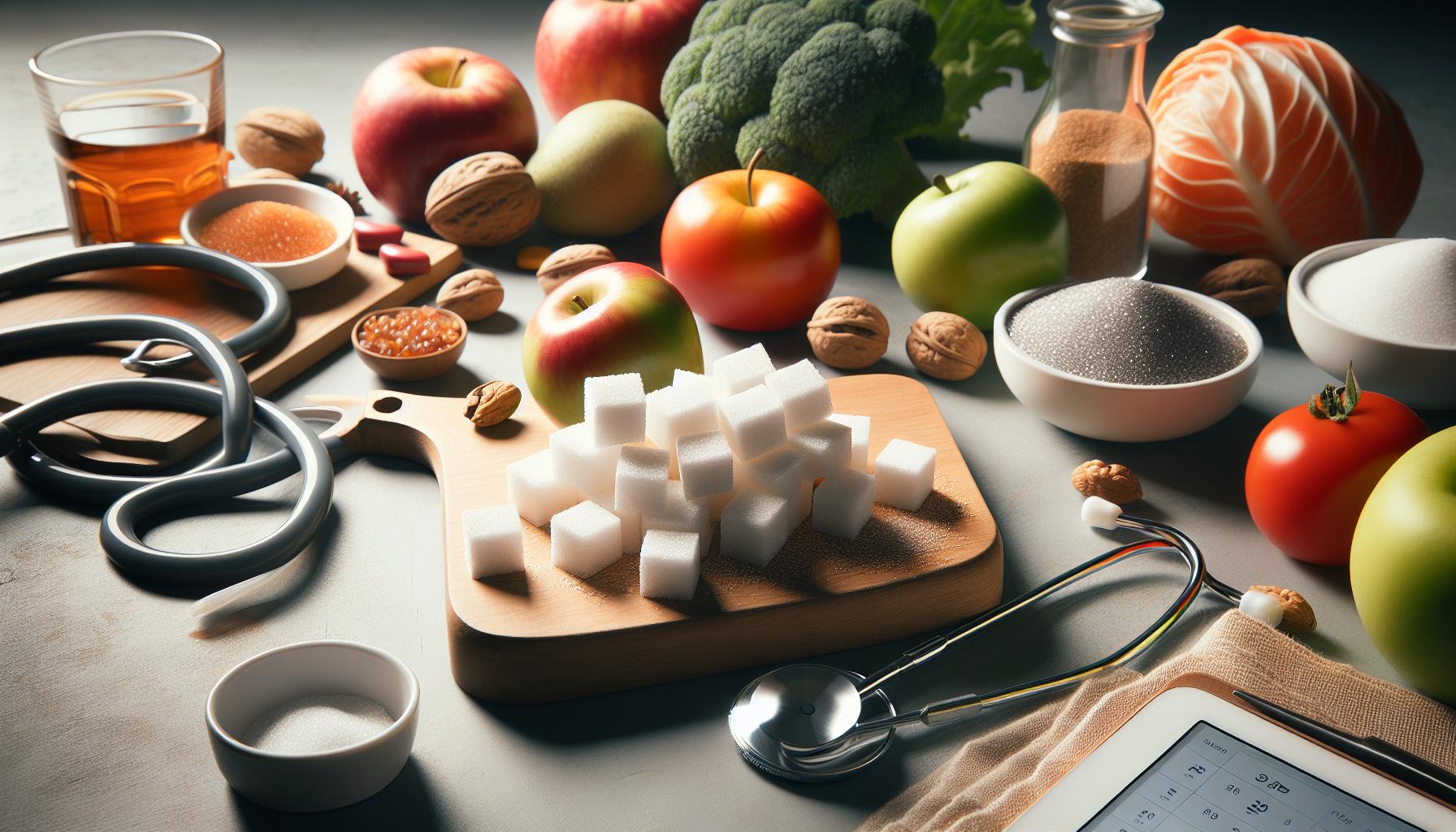
The Role of Sugar in Infertility Risk
The impact of sugar on fertility is an area of growing concern and interest among those trying to conceive. Research reveals that high intake of sugar, particularly from refined sources, is linked to various reproductive challenges. Elevated blood sugar levels can lead to insulin resistance, a state where the body becomes less responsive to insulin, which is crucial for regulating energy and metabolism. This insulin resistance can subsequently interfere with ovarian function, affecting ovulation and egg quality.
Moreover, excessive sugar consumption often leads to weight gain and obesity, both of which are significant factors in infertility. Carrying excess body weight can disrupt hormonal levels, leading to irregular menstrual cycles and difficulties in conceiving. For instance, women with polycystic ovary syndrome (PCOS)-a common cause of infertility-often experience symptoms exacerbated by obesity and insulin resistance. Managing weight through dietary choices, particularly reducing sugar intake, can be a powerful strategy for improving fertility outcomes.
To avoid the pitfalls of sugar, it is beneficial to gravitate towards a diet rich in whole foods. Focusing on nutrient-dense options such as leafy greens, whole grains, and healthy fats while aiming to limit processed snacks, sugary beverages, and desserts can foster a healthier body environment. Keeping blood sugar levels stable through balanced meals not only supports overall health but also creates a more favorable hormonal landscape essential for successful conception.
In practical terms, consider adopting these strategies:
- Replace sugary drinks with water or herbal teas
- Choose fruits over processed snacks for a naturally sweet treat
- Read food labels to avoid hidden sugars in packaged foods
- Incorporate protein-rich foods and healthy fats to help stabilize blood sugar
Each step toward reducing sugar intake can make a significant difference. As you navigate your fertility journey, remember that fostering a supportive lifestyle is not just about making drastic changes; it involves gradual adjustments that lead to sustainable health in the long term.
Unhealthy Fats: Which to Limit for Fertility
In the intricate relationship between diet and fertility, the type of fats consumed can play a crucial role in reproductive health. Not all fats are created equal, and understanding which fats to limit is an essential part of fostering an environment conducive to conception. Trans fats and excessive saturated fats, often found in processed foods, can have detrimental effects on hormonal balance and overall fertility.
Research indicates that diets high in trans fats can lead to increased insulin resistance and chronic inflammation, which may interfere with ovulation and egg quality. These unhealthy fats are typically found in fried foods, baked goods, and many processed snacks. On the other hand, excessive saturated fats, commonly present in red meat and full-fat dairy products, may also contribute to hormonal disruptions and negative health outcomes if consumed in large amounts.
To support reproductive health, it is advisable to focus on healthier fat options. Incorporating monounsaturated and polyunsaturated fats can promote a balanced hormonal environment. Foods such as avocados, nuts, seeds, and fatty fish are rich in these beneficial fats and can improve overall health. Moreover, omega-3 fatty acids, found in sources like salmon and flaxseeds, have been shown to reduce inflammation and support reproductive function.
Here are some actionable tips to limit unhealthy fats in your diet:
- Replace baked goods and snacks that contain trans fats with homemade options using healthier ingredients.
- Choose lean protein sources, such as poultry or plant-based proteins, instead of fatty cuts of meat.
- Opt for low-fat or fat-free dairy, while ensuring to include healthy fats like olive oil or avocado in your meals.
- Limit consumption of fast food and processed meals, replacing them with fresh ingredients that you can prepare at home.
By making mindful choices about the fats you consume, you can create a diet that not only nourishes your body but also enhances your fertility journey. Remember, small, steady changes can lead to significant improvements over time. Embrace this as a step towards a healthier future, not just for yourself but for your growing family.
Can Caffeine Consumption Impact Fertility?
Caffeinated beverages, particularly coffee, are often cherished as daily rituals for many people, but if you’re on the journey to conceive, it’s worth examining their potential effects on fertility. Studies suggest that high caffeine consumption may negatively impact reproductive health in both men and women. Excessive intake, defined as more than 200-300 mg of caffeine per day (approximately two to three cups of coffee), has been linked to lower fertility rates and increased risks of miscarriage.
In women, high caffeine levels can interfere with hormonal balance, potentially affecting ovulation and implantation processes. For men, caffeine consumption has been correlated with lower sperm quality and motility, which are crucial factors for fertility. Additionally, the stimulating effects of caffeine can lead to increased stress levels and anxiety, which may further hinder the ability to conceive.
To support your reproductive health, consider reducing caffeine intake gradually. Here are some practical tips:
- Opt for decaffeinated or herbal alternatives: Switch to decaf coffee or herbal teas that are naturally caffeine-free.
- Monitor your daily intake: Keep track of not just coffee, but also tea, energy drinks, and even certain soft drinks that contain caffeine.
- Experiment with alternatives: Explore natural energy boosters such as smoothies, fresh juices, or infused water with fruits to spark energy without caffeine.
- Be patient with your body: As you adjust your caffeine consumption, allow your body time to adapt to the changes without rushing into complete elimination.
While moderation is key, shifting your caffeine habits can have a positive impact on your fertility journey. Remember, small changes can lead to substantial benefits over time. Be gentle with yourself during this process – it’s about fostering a healthy environment for your future family, and every step counts.
The Effects of Alcohol on Reproductive Success
One of the most significant factors affecting reproductive success is alcohol consumption. Evidence suggests that both heavy and moderate drinking can impact fertility in both men and women, making this a crucial consideration when trying to conceive. For women, consuming alcohol can lead to hormonal imbalances that interfere with ovulation and can increase the risk of miscarriage. In men, excessive alcohol intake has been associated with reduced sperm quality, lower testosterone levels, and diminished libido.
If you’re on a fertility journey, it’s important to evaluate your alcohol consumption. Experts generally recommend moderation, which means limiting alcohol intake to no more than one drink per day for women and two drinks per day for men. Here are some practical steps to help you navigate this aspect of your lifestyle:
- Assess Your Drinking Habits: Keep a journal of your alcohol consumption for a week to create awareness of your drinking patterns.
- Set Clear Limits: Establish personal guidelines for how much or how little alcohol you will consume, especially during the ovulation window.
- Explore Alternatives: Consider alcohol-free options during social gatherings. Mocktails and sparkling water with fruit can be refreshing substitutes.
- Seek Support: If cutting back feels overwhelming, talk to a partner, friend, or healthcare provider about your goals to foster a supportive environment.
Understanding the effects of alcohol doesn’t have to mean restriction or deprivation; rather, it’s about making mindful choices that prioritize your health and future family. Remember, every step taken toward a healthier lifestyle can be a significant victory on your path to parenthood.
Essential Nutrients for Boosting Fertility
The path to fertility can often feel overwhelming, but understanding the essential nutrients that support reproductive health can give you hope and a clearer direction. Nutrients play vital roles not just in general health but specifically in enhancing fertility for both men and women. Incorporating a variety of nutrient-dense foods into your diet can help optimize your chances of conception and support your overall well-being during this vulnerable and hopeful journey.
The following nutrients have shown promise in boosting fertility:
Folic Acid
Folic acid is a B-vitamin crucial for DNA synthesis and repair, making it particularly important for women trying to conceive. A diet rich in folate can help prevent certain birth defects and support ovulatory function. Excellent sources include leafy greens, legumes, citrus fruits, and fortified cereals.
Omega-3 Fatty Acids
Omega-3s are essential for hormone production and may improve egg quality and sperm motility. These healthy fats are found in fatty fish like salmon and sardines, as well as in walnuts and flaxseeds. Aim to include these foods in your meals to harness their beneficial properties.
Vitamin D
Research suggests that adequate levels of vitamin D are linked with improved fertility outcomes. This nutrient may help regulate the menstrual cycle and support ovarian function. You can find vitamin D in oily fish, fortified dairy products, and through natural sunlight exposure. If necessary, consult a healthcare provider about supplementation.
Zinc and Selenium
Both zinc and selenium play significant roles in reproductive health. Zinc is vital for sperm production and testosterone levels in men, while selenium is linked to improved egg and sperm health. Rich sources include lean meats, shellfish, nuts, and whole grains.
To ensure you are getting these nutrients, consider creating a balanced meal plan that emphasizes whole, unprocessed foods. This approach not only provides the essential nutrients for fertility but also improves overall health, setting a strong foundation for your family-building aspirations. As you embark on your dietary journey, remember that small changes can lead to significant progress, and every meal is an opportunity to nourish your body and your future.
Herbs and Supplements: What to Be Cautious Of
Certain herbs and supplements can present challenges when you’re on the path to enhancing your fertility. While they may be marketed for their health benefits, some substances can interfere with hormonal balance or cause unwanted effects that may hinder conception efforts. It’s essential to approach these supplements with caution and a discerning eye.
Red Clover and Other Hormonal Herbs
Many people turn to herbs like red clover, maca root, and black cohosh with the hope they will boost fertility. However, these herbal blends may have estrogenic effects, which can disrupt hormonal balance, especially in women with conditions like polycystic ovary syndrome (PCOS). If you’re considering herbal supplements, consult a healthcare provider to ensure they won’t negatively impact your reproductive health.
High-Dose Vitamin A
While vitamins are crucial for fertility, not all are beneficial in excess. High doses of vitamin A, particularly from supplements, can be toxic and may lead to embryonic defects, impacting early development. Instead of high-dose supplements, focus on obtaining vitamin A from food sources like carrots, sweet potatoes, and spinach. These sources are beneficial without the risks associated with concentrated supplements.
Caffeine and Herbal Teas
Caffeine is another common concern. High intake has been linked to increased infertility risk and miscarriage. Herbal teas, while often considered a natural option, may also contain caffeine or other ingredients that can adversely affect fertility. Opt for decaffeinated options and discuss with your doctor which varieties are suitable for your particular situation.
Maintaining open communication with your healthcare provider about the herbs and supplements you are considering is vital. They can provide personalized advice that aligns with your health goals and concerns, helping ensure your journey towards conception is as safe and effective as possible. Always prioritize well-researched methods over trends, fostering an environment that supports both your emotional and physical well-being as you navigate this poignant chapter of your life.
The Importance of a Balanced Diet for Fertility
A balanced diet plays a crucial role in fertility, serving as a foundation for reproductive health. What we eat directly influences our hormone levels, ovulation, and overall reproductive function. Numerous studies have shown that certain foods can enhance fertility while others can pose risks, making dietary choices especially important for those trying to conceive. A well-rounded diet incorporating a variety of nutrients can support bodily functions that are vital for conception and maintaining a healthy pregnancy.
Foods rich in healthy fats, such as avocados, nuts, and olive oil, are key components of a fertility-friendly diet. These fats help in hormone production and balance. Meanwhile, whole grains, fruits, and vegetables provide essential vitamins and antioxidants, which reduce inflammation and promote a healthy reproductive system. Regular consumption of leafy greens and colorful fruits can boost vitamins like folate and antioxidants, thus supporting egg and sperm quality.
On the contrary, an unbalanced diet high in processed foods, refined sugars, and unhealthy fats can harm reproductive health. Processed foods are often low in essential nutrients and may disrupt hormonal balance, leading to irregular cycles or decreased fertility. Additionally, excessive sugar intake can lead to insulin resistance, which is linked to conditions such as polycystic ovary syndrome (PCOS), a leading cause of infertility. Likewise, trans fats found in fried and commercially baked goods are known to negatively impact ovulation.
Creating a balanced meal plan necessitates mindfulness towards both food quality and variety. Individuals should aim to include sources of protein such as legumes, lean meats, and fish, while also being cautious with caffeine and alcohol consumption, both of which have been shown to negatively affect fertility outcomes. Engaging in this type of dietary awareness not only supports fertility but fosters overall well-being, allowing individuals on their family-building journey to feel empowered and nourished.
Real-Life Success Stories: Diet Changes that Helped
Many couples have embarked on their fertility journeys and discovered that small changes in diet can lead to significant improvements in their overall reproductive health. These real-life success stories emphasize the transformative power of nutrition when trying to conceive. For instance, Jessica, who was struggling with irregular cycles and weight management, found success by transitioning to a whole foods diet rich in healthy fats, leafy greens, and lean proteins. After just a few months of prioritizing nutrient-dense meals and avoiding processed foods, Jessica not only saw her cycles regulate but also became pregnant naturally.
Similarly, David and Laura faced challenges due to Laura’s polycystic ovary syndrome (PCOS), which affected their fertility. After consulting with a nutritionist, they implemented a low-glycemic diet that minimized sugar and refined carbohydrates. By focusing on whole grains and lean proteins, they noticed increased energy levels and a more balanced hormonal profile. This shift contributed to Laura’s ability to ovulate regularly, ultimately leading to her successful pregnancy. Their experience highlights how addressing dietary factors can significantly influence fertility.
Another powerful story comes from Mark, who always enjoyed coffee but learned that excessive caffeine might hinder his partner’s fertility. They decided to cut back on their daily caffeine intake, replacing it with herbal teas and adapted their diet by integrating more antioxidants through colorful fruits and vegetables. After a few months, they were thrilled to see an increase in both partners’ reproductive health metrics, confirming the positive impact of their lifestyle changes on their fertility journey.
These narratives not only inspire those on similar paths but also serve as reminders that dietary changes can be beneficial. Building a supportive food environment, celebrating small wins, and approaching the fertility journey with empathy and understanding can make a profound difference. Each lifestyle choice counts, bringing hope and nurturing the foundation of potential family growth.
Creating a Fertility-Friendly Meal Plan
Creating a satisfying and nutritious meal plan is a key step on the journey toward improved fertility. The foods you choose can significantly impact your reproductive health, so a well-thought-out approach is essential. Start by incorporating a variety of whole foods that nourish your body and support hormonal balance. Think of each meal as an opportunity to fuel your body with vitamins, minerals, and healthy fats that can optimize your chances of conception.
Focus on including foods rich in antioxidants, which help reduce inflammation and protect reproductive cells. Fruits and vegetables should occupy a central role in your meals, with options such as berries, leafy greens, and cruciferous vegetables. Additionally, Omega-3 fatty acids found in fish, chia seeds, and walnuts can promote better hormone production and improve blood flow to the reproductive organs. Consider planning your meals around these food groups to ensure you obtain a diverse range of nutrients.
When constructing your meal plan, consider the importance of limiting processed foods and sugars, which can disrupt insulin levels and overall hormonal balance. A good rule of thumb is to replace processed snacks with healthier options like nuts, yogurt, or whole-grain crackers. If you enjoy cooking, try experimenting with low-glycemic index recipes; for example, quinoa and brown rice are great alternatives to refined carbohydrates and work well in various dishes.
Lastly, hydration is often overlooked but is crucial for optimal health and fertility. Aim to drink plenty of water throughout the day, and consider incorporating herbal teas that may support reproductive health. As you develop your meal plan, remember that flexibility is key-adapting your meals to include seasonal produce not only brings variety but also enhances your connection to the foods that nourish you. Embrace the process, celebrate small victories, and remain kind to yourself as you make these important dietary changes.
Frequently Asked Questions
Q: What are some foods that can negatively affect fertility?
A: Foods high in trans fats, refined carbs, and excessive sugar can negatively impact fertility. Avoid processed snacks, sugary beverages, and highly refined grains. Opt for a diet rich in whole grains, fruits, and vegetables to support reproductive health.
Q: How does sugar intake relate to infertility?
A: High sugar intake can lead to insulin resistance, which may disrupt hormonal balance and impact ovulation. Reducing sugary foods and drinks can improve your overall health and fertility potential.
Q: Why should I limit processed foods when trying to conceive?
A: Processed foods often contain unhealthy fats, sugars, and additives that can disrupt hormone levels and negatively affect fertility. Focus on whole, unprocessed foods to optimize reproductive health.
Q: Can certain diets increase infertility risks?
A: Yes, diets high in saturated fats, sugar, and refined carbs while low in essential nutrients can increase infertility risks. A balanced diet rich in omega-3s, vitamins, and minerals supports fertility.
Q: Are there specific fats that are harmful to fertility?
A: Yes, trans fats found in many fried and processed foods can harm fertility. Instead, focus on healthy fats like those from avocados, nuts, and olive oil for better reproductive health.
Q: How does caffeine affect fertility?
A: High caffeine consumption can be linked to reduced fertility and may increase the risk of miscarriage. It’s generally advisable to limit caffeine intake to around 200 mg or less per day when trying to conceive.
Q: What role do vitamins and minerals play in fertility?
A: Vitamins and minerals, particularly vitamin D, zinc, and folate, are essential for reproductive health. Ensuring adequate intake can help enhance fertility. Consider incorporating these nutrients through diet or supplements.
Q: Can weight influence fertility?
A: Yes, being underweight or overweight can negatively affect hormone balance and ovulation. Maintaining a healthy weight through diet and exercise is crucial for optimizing fertility.
Final Thoughts
Understanding how certain foods can impact your fertility is crucial in your journey towards starting a family. By avoiding specific diet dangers and embracing healthier choices, you can significantly influence your reproductive health. Don’t let misinformation hold you back-take action today!
Explore our related articles on fertility-boosting diets and essential nutrients for reproductive health to deepen your knowledge and cultivate a supportive environment for your fertility journey. If you’re ready to take the next step, consider subscribing to our newsletter for ongoing tips or reach out for a consultation with our specialists who stand ready to guide you every step of the way.
Remember, your path to conception is unique, and being informed empowers you to make the best choices. Share your thoughts or questions in the comments below-your voice matters here, and community support can be a powerful ally in this process. Keep exploring, keep learning, and let’s work towards your family dreams together!
Get our latest guides, news, and insights highlighted in your Google Search & AI Overviews.