Cellular reproduction is a process vital to life, where a single cell divides to create new cells, ensuring growth, maintenance, and repair throughout an organism’s life. Understanding this fundamental topic connects us to our own experiences of growth and change, whether in health, healing, or the broader journey of life. By exploring cellular reproduction, you’ll uncover how this intricate dance of division not only sustains individual health but also underpins the development of multicellular organisms and their intricate systems. Delving into the mechanisms of mitosis and meiosis reveals insights not just into biology, but the hopes and fears associated with reproductive health. This journey is much like navigating your personal path through fertility-filled with complexities, emotions, and the potential for new beginnings. Join us in unraveling the fascinating world of cellular reproduction, and gain valuable perspectives that resonate with your own experiences of growth and change.
What is Cellular Reproduction? An Overview of Processes
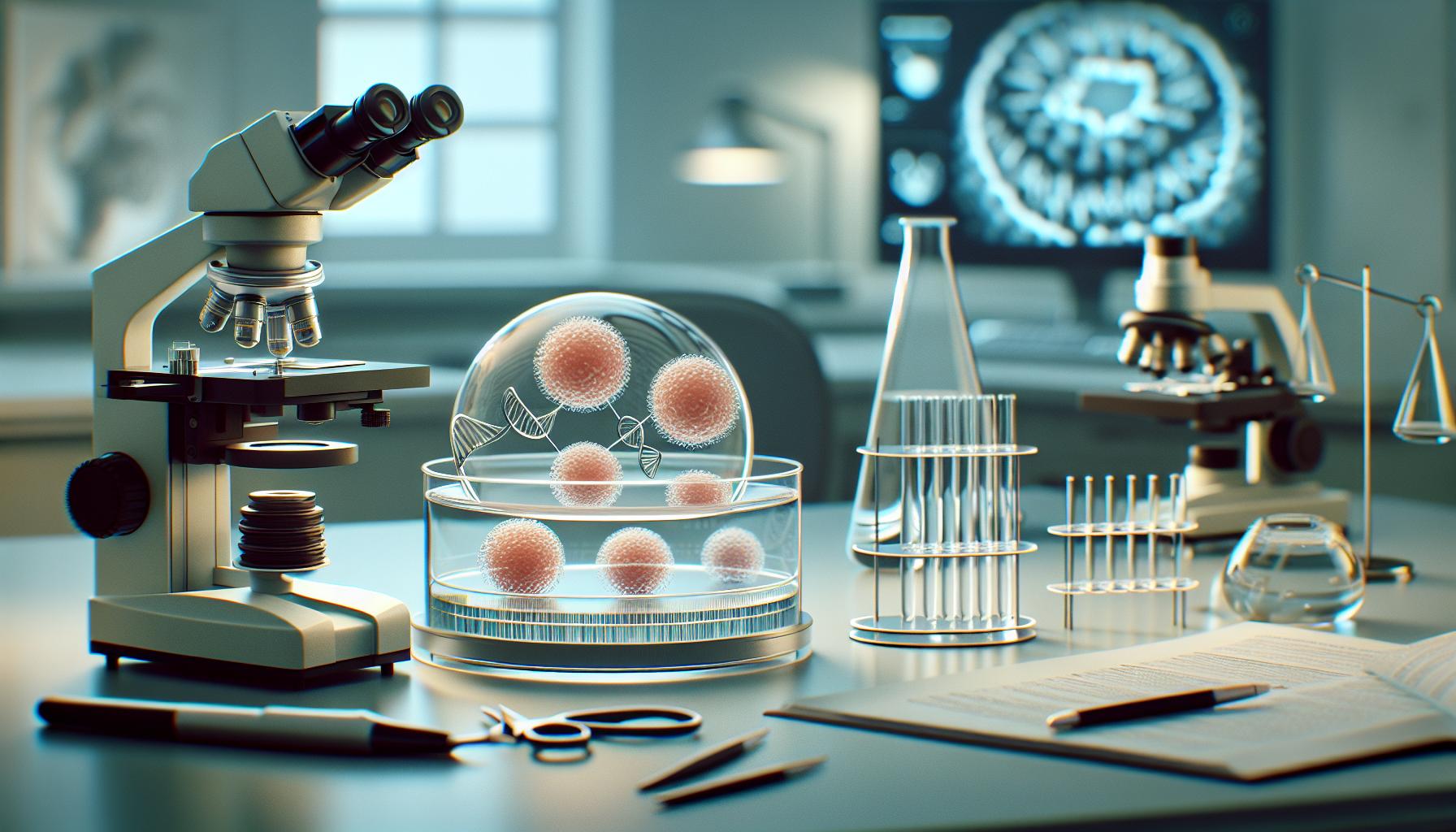
Cellular reproduction is a fundamental biological process that enables life to perpetuate and evolve. It is how cells replicate themselves to ensure the growth, repair, and maintenance of tissues in both unicellular and multicellular organisms. This intricate process can be categorized primarily into two types: mitosis and meiosis, each serving distinct purposes and characterized by unique stages.
In mitosis, a single somatic cell divides to produce two genetically identical daughter cells. This process is crucial for growth and tissue repair, exemplifying how organisms maintain their structural integrity over time. Mitosis involves several stages: prophase, metaphase, anaphase, and telophase, followed by cytokinesis, during which the cytoplasm divides, and two new cells emerge. This cycle ensures that all body cells possess the same genetic information, allowing for seamless functioning within an organism.
On the other hand, meiosis is the specialized form of cellular reproduction that occurs only in germ cells to produce gametes-sperm and eggs-necessary for sexual reproduction. Meiosis consists of two rounds of division, ultimately resulting in four genetically diverse cells, each with half the original cell’s chromosome number. This genetic variation is essential for evolution and adaptation, contributing to the diversity of life.
Understanding the processes of cellular reproduction is vital, as they not only govern growth and reproduction but also have implications in fields such as medicine and biotechnology. For instance, abnormalities in these processes can lead to conditions such as cancer, where cells divide uncontrollably. Thus, a solid grasp of cellular reproduction lays a foundational understanding of many biological phenomena and their impact on health and disease.
The Importance of Cellular Reproduction in Life
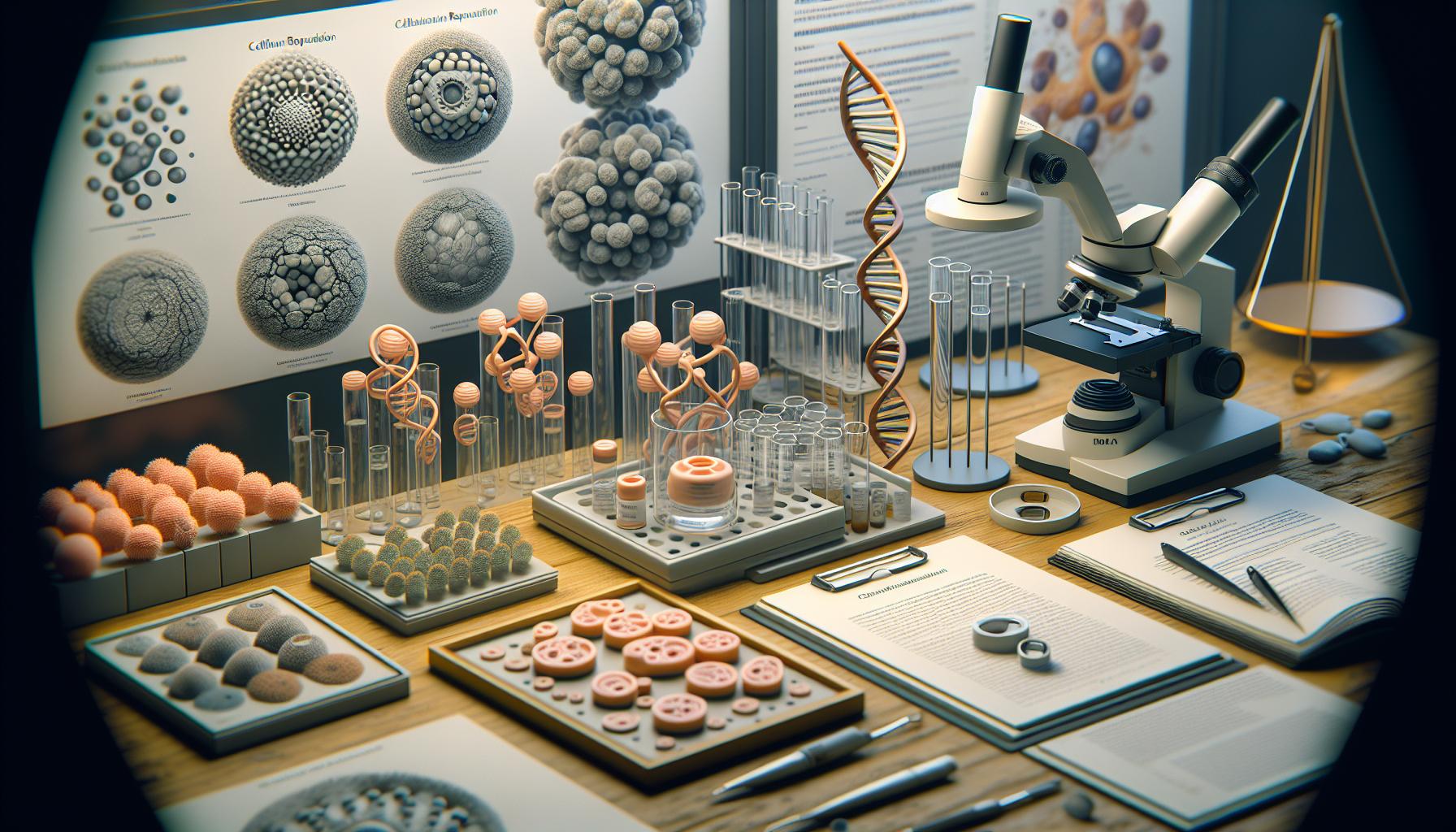
Cellular reproduction is essential for the continuity of life, forming the basis of both growth and maintenance throughout an organism’s lifespan. Without this critical process, living beings would not be able to replace damaged or dead cells, resulting in the eventual deterioration of tissues and organs. For instance, skin cells must continually replicate to protect our bodies from external factors, while blood cells and immune cells regenerate to maintain health and robust defense against disease. Understanding the importance of cellular reproduction not only illuminates the mechanisms of life but emphasizes its role in overall well-being and longevity.
From a broader perspective, cellular reproduction is fundamental to evolution. Meiosis, the specialized cell division that produces gametes, introduces genetic diversity within populations. This genetic variation is crucial for the survival of species, enabling adaptation to changing environments and challenging conditions. By generating new combinations of genes, meiosis helps ensure that populations remain resilient over generations. For instance, when faced with diseases or environmental shifts, species exhibiting greater genetic variation are more likely to survive and flourish.
Moreover, the significance of cellular reproduction extends into medical realms, where understanding these processes can illuminate the path toward addressing various health issues. Abnormalities in cellular reproduction can lead to serious conditions, such as cancer, wherein the normal regulation of cell division is disrupted, resulting in uncontrolled growth. Recognizing these patterns aids researchers and clinicians in developing targeted therapies and interventions that can effectively manage or mitigate the consequences of such disorders.
In essence, cellular reproduction is not merely a biological function but a lifeline that sustains health, facilitates evolution, and informs medical practices. Embracing this knowledge can inspire a deeper appreciation for the intricate systems that sustain life and highlight the essential nature of both mitosis and meiosis in our everyday existence.
Types of Cellular Reproduction: A Comparison of Methods
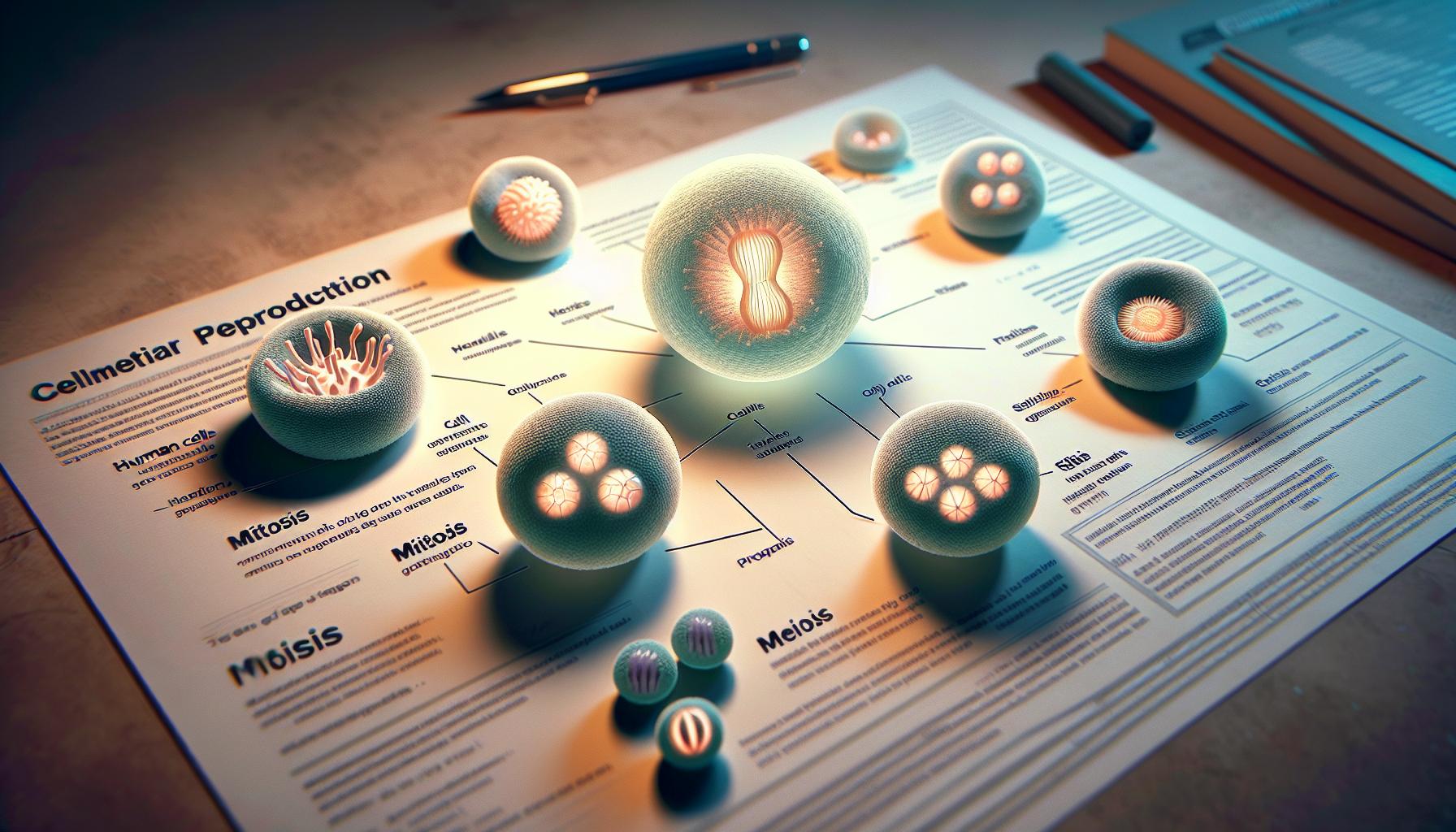
Cellular reproduction is a fascinating process that underpins all life forms, serving not just a fundamental role in growth and maintenance, but also in reproductive strategies of organisms. The two primary methods of cellular reproduction are *mitosis* and *meiosis*, each with distinct functions and outcomes that contribute to the life cycle of organisms.
Mitosis: The Process of Somatic Cell Division
Mitosis is a type of cellular division that results in two genetically identical daughter cells, each having the same number of chromosomes as the original parent cell. This process is critical for growth, development, and tissue repair in multicellular organisms. For example, when you get a cut on your skin, mitosis enables the surrounding cells to divide and heal the wound. The steps of mitosis include prophase, metaphase, anaphase, and telophase, culminating in cytokinesis, which physically separates the two new cells.
- Prophase: Chromatin condenses into visible chromosomes, and the nuclear envelope begins to break down.
- Metaphase: Chromosomes line up at the cell’s equator, preparing for separation.
- Anaphase: Sister chromatids are pulled apart to opposite poles of the cell.
- Telophase: Chromosomes de-condense, and nuclear envelopes reform around the two sets of chromosomes.
- Cytokinesis: The cell membrane pinches the cell into two separate entities.
Meiosis: The Key to Sexual Reproduction
In contrast, meiosis is a specialized form of cell division that produces gametes-sperm and egg cells in animals-each with half the number of chromosomes of the parent cell. This reduction is crucial for maintaining the species’ chromosome number through generations. During fertilization, when gametes combine, the complete set of chromosomes is restored, leading to genetic diversity in offspring. Meiosis involves two rounds of division: meiosis I and meiosis II, each comprising several stages similar to those in mitosis, but with critical differences, particularly in how homologous chromosomes are separated.
- Meiosis I: Reduces chromosome number by half; homologous chromosomes are separated.
- Meiosis II: Similar to mitosis, where sister chromatids are finally separated.
The end result of meiosis is four non-identical haploid cells, contributing to genetic variation within a population. This variation is a cornerstone of evolution, as it allows for adaptability in changing environments and the potential for new traits to emerge.
In understanding cellular reproduction, it’s vital to recognize how these processes impact not just individual organisms, but entire populations and ecosystems. Both mitosis and meiosis reflect the intricate balance of life processes-growth through mitosis and genetic diversity through meiosis-each playing a crucial role in the continuation of life as we know it.
Understanding Mitosis: The Basics and Beyond
Mitosis, a fundamental process in cellular reproduction, ensures the growth and repair of tissues by creating two genetically identical daughter cells from a single parent cell. This precision in division is crucial for maintaining the integrity of cellular functions and the overall health of an organism. Interestingly, the entire process of mitosis is meticulously orchestrated, consisting of phases that each play a vital role in ensuring successful cell division.
During mitosis, the cell undergoes distinct stages: prophase, metaphase, anaphase, telophase, and cytokinesis. Each stage is characterized by specific events that prepare the cell for division. In prophase, the chromatin condenses into visible chromosomes, and the nuclear envelope begins to disintegrate. This is followed by metaphase, where chromosomes align at the cell equator, ensuring that each new cell will receive an identical set of chromosomes. Next comes anaphase, during which sister chromatids are pulled apart toward opposite poles of the cell, ensuring equal genetic distribution. In telophase, the chromosomes de-condense back into chromatin, and the nuclear envelopes reform around each set of chromosomes, paving the way for separate nuclei. Finally, cytokinesis concludes the process by splitting the cell cytoplasm, yielding two separate cells ready to function independently.
Understanding mitosis not only illuminates cellular mechanisms but also provides insight into how errors in this process can lead to conditions like cancer, where improper cell division results in uncontrolled growth. The emotional weight of such conditions can resonate deeply; acknowledging the fears and uncertainties associated with diseases linked to cell division can foster a more profound empathy for those affected. Furthermore, clinical advancements continue to improve our approaches to treating such disorders, illuminating a path filled with hope and possibility.
Moreover, enhancing your understanding of how cellular reproduction impacts daily life is invaluable, especially in areas like healthcare and biotechnology. Techniques derived from mitosis are utilized in regenerative medicine and therapeutic cloning, offering promising avenues for treatment. As we navigate through scientific advancements, it’s essential to recognize the balance between innovation and the ethical considerations surrounding such technologies, ensuring that we respect varied perspectives on these complex issues. By appreciating the intricate processes of mitosis, we foster a deeper understanding of life and the pivotal role that cellular reproduction plays in health and disease.
Exploring Meiosis: Key Concepts and Significance
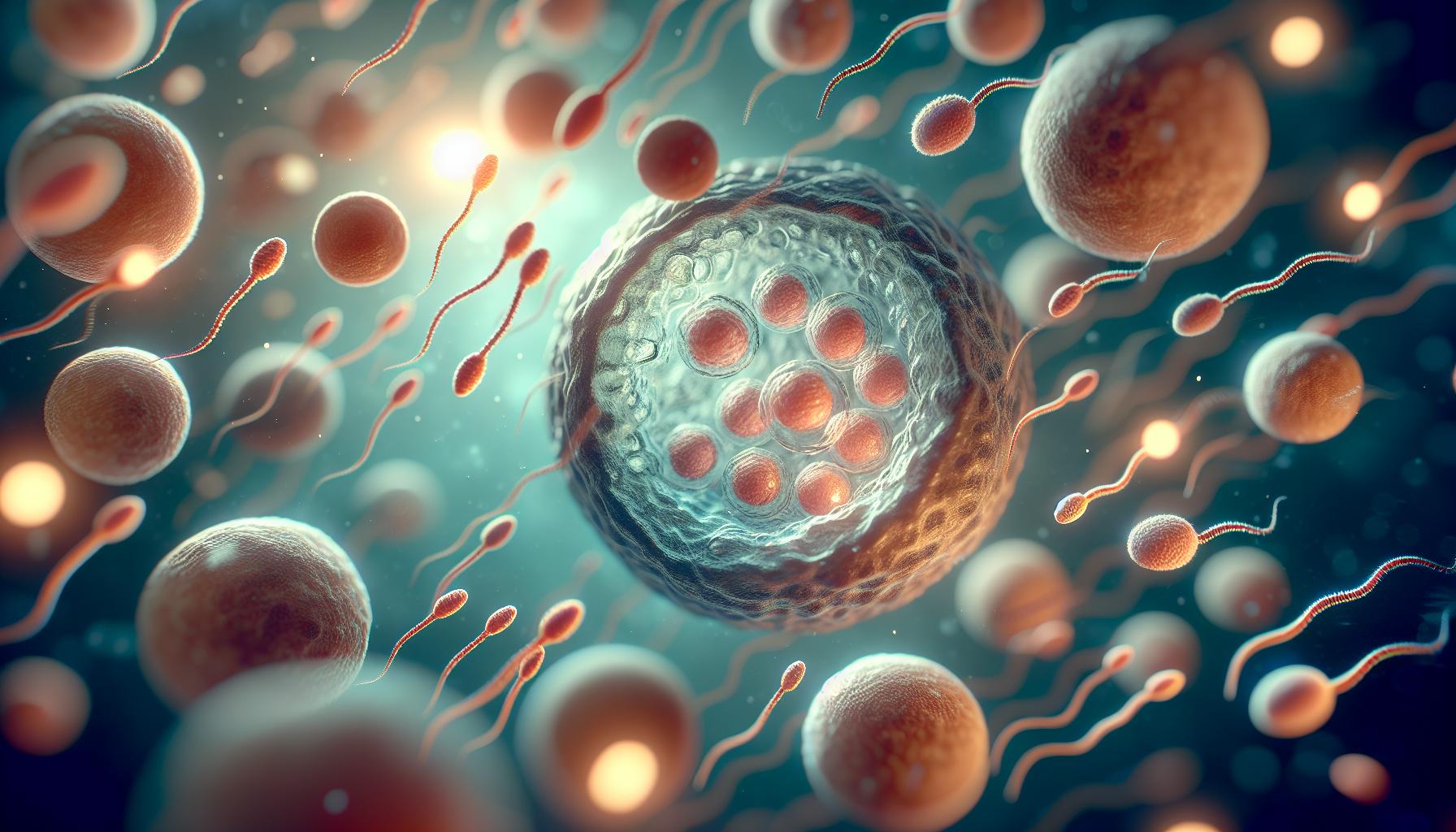
In the realm of cellular reproduction, meiosis stands out as a fascinating process that not only creates genetic diversity but also lays the groundwork for sexual reproduction. This intricate dance of division results in haploid gametes-sperm and eggs-each carrying half the genetic material of the original diploid cell. Unlike mitosis, which produces two identical daughter cells, meiosis is a two-part process that culminates in four genetically diverse cells, each with a unique combination of alleles. This genetic variation is crucial for evolution and adaptation, highlighting the significance of meiosis in the broader context of life.
During meiosis, the cell experiences two rounds of division: meiosis I and meiosis II. In the first phase, homologous chromosomes pair up and undergo crossing over, where segments of DNA are exchanged between them. This exchange creates new allele combinations, enhancing genetic variability in the offspring. Following this, the homologous chromosomes are separated into two daughter cells. Meiosis II resembles mitosis, where the sister chromatids are finally pulled apart, leading to the creation of four haploid cells. This complex choreography ensures that when fertilization occurs, the result is a new organism with a hybrid vigor, combining traits from both parents.
Understanding the implications of meiosis extends beyond genetics; it also resonates deeply in the context of reproductive health. As individuals navigate the emotional landscape of family planning, particularly through assisted reproductive technologies like IVF (in vitro fertilization), the intricacies of meiosis become a central factor. Each egg retrieved and each sperm sample collected highlight the importance of healthy meiotic processes, as chromosomal abnormalities can lead to challenges in conception, miscarriage, or genetic disorders. By celebrating the milestones of a fertility journey and validating the emotions tied to it, we promote a compassionate approach to reproductive health.
In practical terms, awareness of meiosis can empower individuals as they make informed decisions about their reproductive paths. Understanding when to seek support, the significance of genetic counseling, and the realities of potential interventions can help alleviate uncertainty. By fostering a dialogue about these topics-navigating the complexities of reproductive choices alongside scientific knowledge-we can create a supportive environment that respects individual journeys and encourages hope, even amidst challenges.
The Role of DNA in Cellular Reproduction
Cellular reproduction hinges on DNA, the very blueprint of life. This complex molecule, housed within the cell’s nucleus, carries the genetic instructions essential for growth, development, and functioning. As cells prepare to divide, they meticulously replicate their DNA, ensuring that each daughter cell has an identical copy of the genetic material. This process is not only crucial for maintaining genetic continuity but is also pivotal in ensuring that traits are passed down through generations.
Within the realm of cellular reproduction, it’s important to recognize the different roles DNA plays during mitosis and meiosis. During mitosis, a single cell divides to produce two genetically identical daughter cells, each receiving an exact copy of the parent cell’s DNA. This is vital for processes such as tissue repair and growth, where uniformity is essential. On the other hand, meiosis introduces variability through the recombination of genetic material during gamete formation. This mixing of genetic traits enhances biodiversity, which is crucial for evolutionary adaptation.
Understanding the role of DNA also sheds light on reproductive health. For individuals facing challenges with conception, such as those undergoing treatments like in vitro fertilization (IVF), the health of the genetic material can significantly affect outcomes. For example, chromosomal abnormalities can lead to unsuccessful cycles, miscarriages, or congenital disorders. This highlights the importance of genetic testing and counseling in managing reproductive journeys. By staying informed about the genetics involved, you can make empowered decisions about your family planning, seek appropriate support, and better navigate the emotional landscape of these experiences.
Engaging with the science of DNA and its role in cellular reproduction can illuminate the path forward. It fosters an understanding that while challenges may arise – whether in natural conception or assisted reproductive technologies – each step taken is a building block towards achieving your reproductive goals. Remember, you are not alone on this journey; support and resources are available as you explore your options and make informed decisions about your future family.
Cell Cycle Regulation: How Cells Control Reproduction
The regulation of the cell cycle is a finely tuned process critical to the health and function of living organisms. Just as a conductor ensures the orchestra plays in harmony, various proteins and mechanisms control when a cell should divide, grow, or enter rest. This regulation is fundamental not only to normal growth and development but also to prevent diseases, including cancer, which can arise from dysregulation.
At the heart of this regulation are specific checkpoints that cells utilize to assess their condition before progressing through the cycle. These checkpoints act as quality control mechanisms, checking the integrity of DNA, ensuring the cell has sufficient resources, and confirming that the cell’s environment is suitable for division. For instance, the G1 checkpoint assesses cell size and DNA integrity; the G2 checkpoint verifies that DNA has been accurately replicated; and the M checkpoint ensures that all chromosomes are properly attached to the spindle before separation. When cells detect issues at these points, they can either initiate repair processes or trigger apoptosis-the programmed cell death that plays a protective role in preventing faulty cells from replicating.
Moreover, growth factors and hormones can influence cell cycle regulation. In the context of reproductive health, for instance, the hormones estrogen and progesterone participate in regulating the cell cycle in reproductive tissues. Understanding this relationship can shed light on fertility treatments and the importance of balanced hormone levels in successful reproduction.
To navigate your reproductive health, recognizing the significance of these regulatory mechanisms might empower you. Whether you are facing challenges such as infertility or exploring family-building options like IVF, having knowledge about cell regulation can offer insights into potential strategies for improvement. If hormonal imbalances affect cell division in your reproductive system, addressing these through medical advice or lifestyle changes may enhance your chances of success. Being informed offers not just facts, but also hope as you embark on your journey toward creating the family you desire.
Apoptosis vs. Cellular Reproduction: A Critical Balance
The delicate interplay between apoptosis and cellular reproduction is vital for maintaining the health of our bodies. While cellular reproduction allows for growth, repair, and the sustenance of life, apoptosis-the programmed cell death-plays an equally important role in removing damaged or unnecessary cells. This balance is essential, especially in the context of reproductive health, where both processes must harmoniously coexist to ensure optimal outcomes.
During the reproductive cycle, for example, the ovarian follicles go through a process of selection where some mature into eggs while others undergo apoptosis. This selective survival helps in developing the healthiest eggs, reflecting a natural quality control system that enhances fertility chances. Engaging in healthy lifestyle choices, such as maintaining a balanced diet and regular exercise, can foster this complex relationship. Such practices support hormonal balance, which in turn can positively influence the processes of both reproduction and apoptosis, promoting overall reproductive health.
As individuals navigate their fertility journeys, understanding this balance provides insight into potential treatment pathways. For instance, in cases of infertility, hormonal therapies may be pursued to encourage the optimal functioning of both cell division and apoptosis. Consultation with healthcare providers can allow for personalized strategies, acknowledging that each person’s journey is unique. Embracing both the challenges and the triumphs in this process can empower individuals and couples to make informed decisions, whether they are considering options like IVF or exploring family-building through adoption. Recognizing the dual roles of cell life and death connects directly to the emotional and physical realities of reproduction, allowing for a holistic approach in care and expectations.
Common Disorders Related to Cellular Reproduction
can impact overall health and are especially pertinent when discussing fertility and reproductive health. Understanding these conditions provides insight into the complex interplay of cell division and the myriad ways it can go awry. From benign tumors to more serious implications, these disorders can shape individuals’ healthcare journeys profoundly.
One prominent disorder associated with cellular reproduction is cancer, which arises from unchecked cell division. In cancer, the normal mechanisms that regulate the cell cycle fail, leading to uncontrolled growth and the potential for metastasis. Early detection through screenings and awareness of personal risk factors can help individuals make informed decisions about prevention and treatment options.
Another significant category involves polycystic ovary syndrome (PCOS), a condition characterized by hormonal imbalance and irregular ovulation. In PCOS, the ovarian follicles may fail to mature properly, leading to infertility and other metabolic issues. Lifestyle modifications, including diet and exercise, along with medical treatments such as hormonal therapies, can play a crucial role in managing symptoms and enhancing fertility potential.
Additionally, disorders like endometriosis can also affect reproductive health. This condition occurs when endometrial-like tissue grows outside the uterus, leading to pain and potential infertility. Recognizing symptoms early can lead to more effective treatment, whether through medication or surgical options, thus paving the way for improved reproductive outcomes.
Lastly, understanding the role of congenital disorders affecting cellular reproduction, such as Turner syndrome or Klinefelter syndrome, highlights the genetic factors that can influence fertility. Genetic counseling can be beneficial for individuals and families dealing with these diagnoses, helping them navigate the options available for building their families.
Overall, acknowledging these common disorders not only prepares individuals for potential challenges but also empowers them with knowledge to seek support and effective treatment strategies tailored to their unique experiences. Understanding the emotional weight behind these medical conditions is crucial; it is essential to approach discussions of diagnosis and treatment with sensitivity, ensuring individuals feel heard and supported throughout their journey.
Impacts of Environmental Factors on Cellular Reproduction
Environmental factors play a crucial role in cellular reproduction, influencing the delicate processes that drive cell division and overall reproductive health. From pollutants in our air and water to lifestyle choices such as diet and exercise, the external environment can significantly impact the ability of cells to divide accurately and function correctly. It’s fascinating to consider how factors outside our control can shape the cellular machinery responsible for life’s continuity, underscoring the interconnectedness of biology and our surroundings.
Key Environmental Influences
Both chemical and physical environmental factors can disrupt normal cellular processes, potentially leading to disorders. For example, exposure to toxins like heavy metals or endocrine disruptors found in plastics can interfere with hormonal signaling, affecting cellular reproduction. These compounds can lead to conditions such as polycystic ovary syndrome (PCOS), where ovarian function is compromised, resulting in irregular ovulation and infertility.
Additionally, lifestyle choices, including diet and physical activity, can bolster or undermine reproductive health. High levels of oxidative stress from poor dietary habits may adversely affect sperm quality and oocyte (egg) health, impacting fertilization capabilities. Conversely, maintaining a balanced diet rich in antioxidants can promote cellular health and improve reproductive outcomes.
Recent research also emphasizes the importance of mental health in relation to reproductive health. Chronic stress, for instance, can lead to hormonal imbalances that may disrupt normal cell cycle regulation and reproductive functions. Understanding these links emphasizes the importance of a holistic approach to reproductive health, addressing not just the biological but also the emotional and lifestyle factors that come into play.
Practical Steps for Support
To mitigate the adverse effects of environmental factors on cellular reproduction, consider the following tips:
- Minimize exposure to toxins: Choose organic foods when possible, use glass or stainless steel containers, and avoid plastics labeled with BPA.
- Focus on nutrition: Incorporate foods rich in omega-3 fatty acids, vitamins, and minerals to support cellular health. Think leafy greens, nuts, seeds, and lean proteins.
- Manage stress: Engage in activities that promote mental well-being, such as yoga, meditation, or gentle exercise, to help maintain hormonal balance.
- Stay informed: Regularly consult healthcare professionals for personalized advice and screening for potential reproductive health issues.
By taking these proactive steps, individuals can create a more supportive environment for cellular reproduction, aligning their lifestyle with their reproductive goals. It’s essential to remember that every journey is unique, and seeking support from healthcare providers can provide valuable guidance along the way. Engaging in this journey with knowledge and care can empower individuals to navigate the complexities of reproductive health with hope and resilience.
Latest Research in Cellular Reproduction: Emerging Trends
Recent advancements in cellular reproduction research are illuminating the pathways through which our understanding of biology can be enhanced, especially in areas like fertility and regenerative medicine. As researchers delve deeper into the mechanisms of cell division and differentiation, promising trends and findings are emerging that hold potential for addressing fertility challenges, developing novel therapies, and enhancing overall reproductive health.
One of the most significant trends is the exploration of how stem cells can be effectively harnessed to support regenerative medicine. By studying how stem cells differentiate into specific cell types, scientists are gaining insight into potential treatment options for infertility and developmental disorders. For instance, researchers are investigating how induced pluripotent stem cells (iPSCs) can be transformed into gametes (sperm and eggs) in the laboratory. This has exciting implications, particularly for individuals or couples struggling with infertility, as it opens up the possibility of creating viable gametes from somatic cells, thus expanding family-building options.
Moreover, the role of epigenetics in cellular reproduction is garnering increased attention. Epigenetic modifications can significantly influence gene expression without altering the underlying DNA sequence, and recent studies suggest that the environment can impact these modifications. Understanding how lifestyle factors, such as diet and stress, can cause epigenetic changes may provide new strategies for improving reproductive outcomes. For example, research indicates that a nutritious diet rich in antioxidants may help mitigate the negative effects of oxidative stress on gamete quality, potentially improving fertility in both men and women.
In addition, innovative technologies are being developed to improve the monitoring and regulation of the cell cycle, which is crucial for successful reproduction. Techniques such as CRISPR-Cas9 gene editing are being explored not only for their therapeutic potential but also for their ability to enhance our understanding of the cell cycle control mechanisms. This knowledge could lead to breakthroughs in preventing or treating disorders related to abnormal cellular reproduction, such as polycystic ovary syndrome (PCOS), which affects many individuals seeking to conceive.
As these trends continue to evolve, it’s essential to approach this area of research with both hope and realism. Many families face emotional challenges during their fertility journeys. As new treatments emerge, maintaining a dialogue with healthcare providers about the costs, potential success rates, and emotional support options remains vital. Ensuring that individuals are informed and supported throughout this process will empower them as they navigate their unique fertility journeys, fostering resilience and optimism in the face of challenges.
Applications of Cellular Reproduction in Biotechnology and Medicine
Cellular reproduction plays a pivotal role in biotechnology and medicine, acting as a cornerstone for numerous applications that address health challenges and push the boundaries of scientific understanding. The remarkable ability of cells to reproduce and differentiate is harnessed in various therapeutic contexts, from regenerative medicine to genetic engineering.
One of the most exciting applications is in the field of regenerative medicine, where cellular reproduction is leveraged to repair or replace damaged tissues and organs. Techniques like stem cell therapy utilize the high regenerative capacity of stem cells, which can develop into many different cell types. For instance, scientists are working on differentiating induced pluripotent stem cells (iPSCs) into specialized cells, such as cardiac or neural cells, offering potential therapies for conditions like heart disease or spinal cord injuries. This approach holds immense promise for enhancing recovery and improving quality of life for patients facing degenerative diseases.
Another significant area is gene therapy, where understanding cellular reproduction mechanisms allows for the targeted correction of genetic disorders. Techniques like CRISPR-Cas9 enable precise edits to the DNA, potentially correcting mutations that cause diseases such as cystic fibrosis or sickle cell anemia. As these technologies evolve, they present hope for safer and more effective therapies, while researchers remain vigilant about the ethical implications and long-term effects of such interventions.
In the realm of fertility treatments, advancements in cellular reproduction have transformed the landscape of assisted reproductive technologies (ART). Procedures such as in vitro fertilization (IVF) rely on understanding the complex processes of cell division and maturation to create viable embryos. Patients facing fertility challenges are often guided through these options with sensitivity, acknowledging the emotional weight of their journeys. Success rates can vary, with IVF generally hovering around 40% for individuals under 35, highlighting the need for realistic expectations and compassionate support during this process.
As research in cellular reproduction continues to expand, integrating knowledge from genetic, environmental, and epigenetic factors will be crucial. Patients and practitioners alike must stay informed and engaged as emerging treatments develop, ensuring that they navigate their reproductive journeys with both hope and realism. Remember, each step forward, whether through the discovery of new therapies or the successful application of existing treatments, is a triumph worth celebrating in the intricate tapestry of human health.
Frequently asked questions
Q: What are the differences between mitosis and meiosis in cellular reproduction?
A: Mitosis produces two identical daughter cells for growth and repair, while meiosis results in four genetically diverse gametes for sexual reproduction. Mitosis maintains chromosome number, while meiosis reduces it by half, introducing genetic variation essential for evolution. For more on these processes, see the section on Understanding Mitosis: The Basics and Beyond.
Q: How does DNA influence cellular reproduction?
A: DNA carries the genetic information required for cellular reproduction, guiding processes like mitosis and meiosis. Its structure and replication ensure that daughter cells receive accurate genetic instructions, critically impacting inheritance and traits. Visit The Role of DNA in Cellular Reproduction for deeper insights.
Q: What are some common disorders related to cellular reproduction?
A: Common disorders include cancer, caused by uncontrolled cell division, and genetic disorders, arising from errors during meiosis. Understanding these conditions is vital for effective treatment and support. Refer to Common Disorders Related to Cellular Reproduction for more details.
Q: How do environmental factors affect cellular reproduction?
A: Environmental factors, such as toxins, temperature, and radiation, can disrupt cellular reproduction, leading to mutations or cell death. Regular monitoring of these influences is crucial for maintaining healthy cellular processes. Explore more about this in Impacts of Environmental Factors on Cellular Reproduction.
Q: What is the significance of apoptosis in cellular reproduction?
A: Apoptosis, or programmed cell death, balances cellular reproduction by eliminating damaged cells, preventing tumor growth and maintaining tissue homeostasis. This process is essential for developmental and health purposes. Learn more in Apoptosis vs. Cellular Reproduction: A Critical Balance.
Q: When do cells undergo cellular reproduction during the cell cycle?
A: Cells primarily undergo reproduction during the S phase when DNA is replicated, followed by mitosis or meiosis in the M phase, ensuring accurate distribution of genetic material. Refer to Cell Cycle Regulation: How Cells Control Reproduction for further details.
Q: Why is cellular reproduction crucial for multicellular organisms?
A: Cellular reproduction allows multicellular organisms to grow, develop, and repair tissues. It ensures genetic continuity and adaptability, crucial for survival and evolution. Explore more on this topic in The Importance of Cellular Reproduction in Life.
Q: How can understanding cellular reproduction benefit biotechnology and medicine?
A: Insights into cellular reproduction mechanisms assist in developing therapies for diseases, improving crop yields, and genetic engineering. Biotechnology applies these principles for innovation in healthcare and agriculture. Check Applications of Cellular Reproduction in Biotechnology and Medicine for applications in detail.
In Summary
Understanding cellular reproduction is crucial for grasping the fundamentals of biology. As you dive deeper into this topic, remember that cellular processes like mitosis and meiosis not only govern life’s beginnings and continuations but also help in understanding genetic diversity and disease prevention. If you found this information enlightening, don’t stop here! Explore our articles on related subjects, such as how genetic mutations occur and the role of cellular differentiation in development.
We invite you to join our community by subscribing to our newsletter for the latest updates and in-depth articles about biology. Share your thoughts in the comments below-your insights could spark valuable discussions! For those eager to dive even further, check out our comprehensive guides on gene expression and cellular systems, which can enhance your understanding and appreciation of these fascinating biological processes. Thank you for engaging with us, and we hope to see you back soon for more enlightening content!
Get our latest guides, news, and insights highlighted in your Google Search & AI Overviews.