Reproduction is the biological process through which new life is created, encompassing everything from conception to childbirth. Understanding this topic is crucial, as it directly impacts family planning, fertility, and personal choices about parenthood. Whether you’re curious about the science behind reproduction or seeking support during a challenging fertility journey, this exploration offers valuable insights.
As many embark on the emotional pathways of building families, it’s important to recognize the complexities involved, including the physical and emotional hurdles that may arise. By demystifying reproduction, we hope to empower you with knowledge, address your concerns, and foster hope, no matter where you are on your journey. Join us as we delve into the fundamentals of reproduction, celebrating the amazing potential of life and understanding the nuances that come with it.
What is Reproduction: A Simple Overview
Reproduction is the remarkable biological process through which new individual organisms, known as offspring, are created from their parent or parents. This fundamental aspect of life enables species to continue and adapt through generations. With over 8 million species on Earth, reproduction is not only a necessity but also a fascinating journey filled with complex mechanisms and variations. Understanding reproduction goes beyond simple biology-it’s about recognizing its profound impact on families, societies, and emotional well-being.
At its core, reproduction can occur in two primary forms: sexual and asexual. Sexual reproduction involves the combination of genetic material from two parents, leading to offspring that are genetically distinct, which enhances diversity and adaptability of a species. In contrast, asexual reproduction allows for the offspring to be produced from a single parent, leading to clones with identical genetic material. This process exemplifies the myriad of ways life can propagate, ensuring the survival of species in different environments.
Recognizing the emotional landscape of reproduction is equally important. Many individuals and couples experience a complex range of feelings during their fertility journeys-anticipation, hope, fear, and sometimes grief when faced with challenges. It is vital to celebrate small milestones in this journey, whether through natural conception or assisted reproductive technologies, and to validate the emotions surrounding infertility. Each path to parenthood, whether through in vitro fertilization (IVF), artificial insemination, or adoption, carries its own unique narrative and significance, reflecting the diverse family structures that embrace the concept of reproduction today.
As you navigate this intricate subject, remember that the journey of reproduction is deeply personal and often filled with both challenges and triumphs. Whether you are exploring options for starting a family or seeking support through infertility, it’s essential to approach each step with compassion and understanding, recognizing the value of every experience along the way.
The Biological Process of Reproduction
Every living organism undergoes a remarkable biological process to ensure the continuation of its species: reproduction. At its essence, this process is intricately designed to create new life, whether through the fusion of genetic material from two parents in sexual reproduction or the simple division of a single organism in asexual reproduction. Understanding how this complex system operates can provide insight not only into the mechanics of life but also into the emotional landscapes that accompany fertility journeys.
In sexual reproduction, male and female gametes unite during fertilization, forming a zygote that develops into an embryo. This process involves multiple stages, starting from the production of gametes in specialized reproductive organs. The transformation from zygote to embryo is marked by several key events, including cell division (mitosis) and differentiation, which leads to the formation of distinct tissues and organs. Each of these steps is critical and can vary significantly among species, influencing everything from gestation periods to parental involvement.
Conversely, asexual reproduction bypasses the complexities of fertilization by allowing organisms to replicate themselves through processes like budding, binary fission, or vegetative propagation. For example, many plants can reproduce asexually through runners or tubers, creating genetically identical offspring that can populate the area, ensuring the survival of the species even in challenging environments. The simplicity of this method provides a rapid means of reproduction, though it limits genetic diversity, which can be crucial in adapting to changing conditions.
Both methods reflect the incredible variety of reproductive strategies in the natural world. They underscore an essential truth: reproduction is not just a biological necessity but also a profound journey that can evoke a spectrum of feelings. For those navigating the complexities of fertility, whether facing challenges with conception or exploring assisted reproductive technologies, it is vital to recognize the emotional weight of this process. Each step, from understanding reproductive health to receiving support during difficult times, encapsulates the essence of what it means to build a family. Celebrating small milestones and validating the range of emotions involved fosters a compassionate path forward.
Whether through conventional means or advanced reproductive technologies, serves as a cornerstone of life, rich with emotional and physical implications. Understanding this process is not only about the science but also about embracing the human experience intertwined with it, marked by resilience, hope, and love.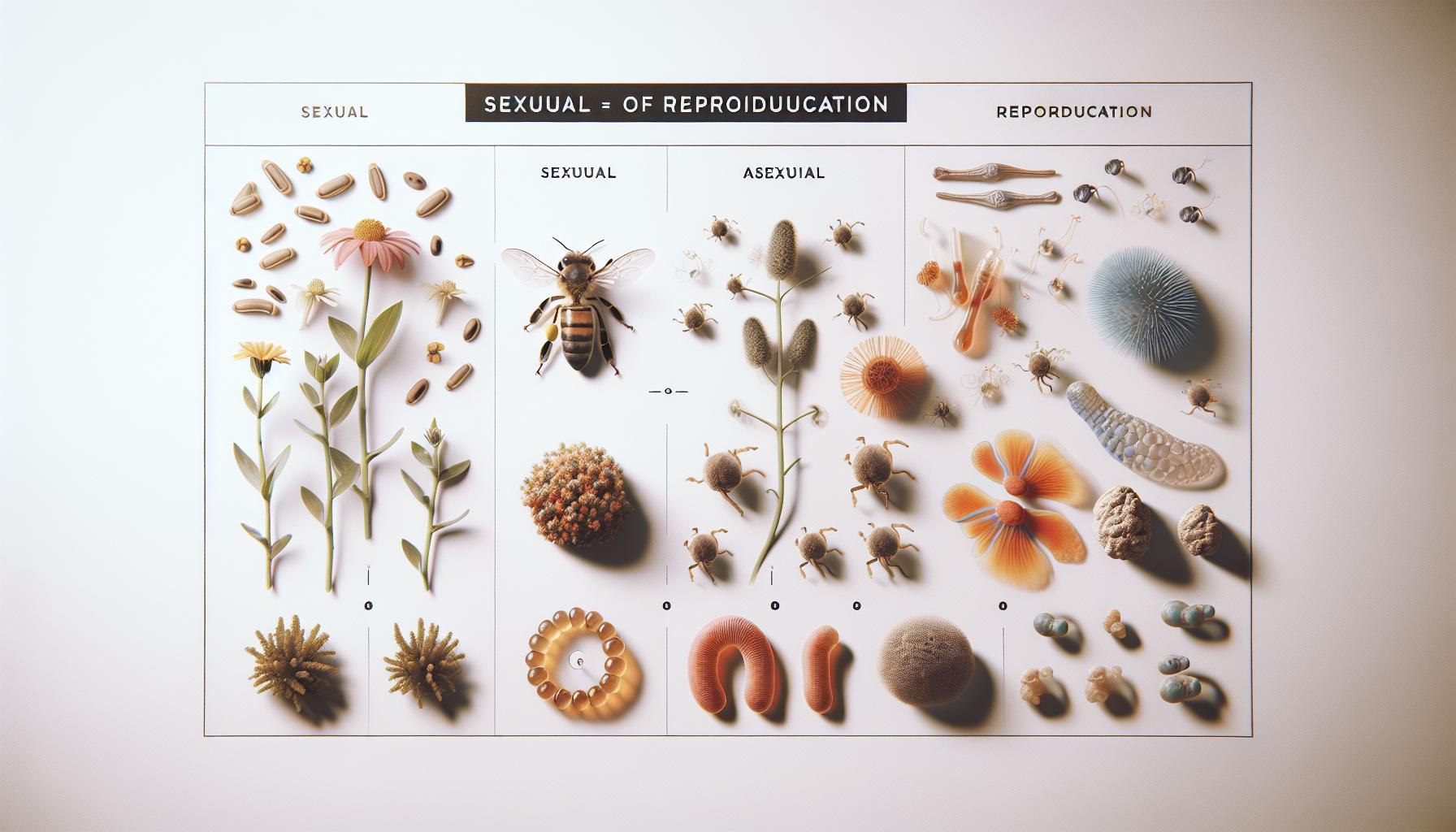
Types of Reproduction: Sexual vs. Asexual
Reproduction is a vital aspect of life, representing the biological means through which organisms produce their offspring. It generally manifests in two primary forms: sexual and asexual reproduction, each with its unique processes and implications.
In sexual reproduction, genetic material from two parents is combined to create a new organism. This process typically involves the fusion of male and female gametes-sperm and egg-during fertilization, leading to the formation of a zygote that eventually develops into an embryo. This method is not just about the creation of life; it plays a crucial role in the genetic diversity of populations. By mixing genes, sexual reproduction enhances the ability of species to adapt to changing environments, which can be vital for their long-term survival. However, the journey through this pathway can be complex, often requiring support, information about fertility, and possibly assisted reproductive technologies for those facing challenges in conception.
Conversely, asexual reproduction offers a more direct route to creating new life, as it allows an organism to produce offspring without the need for another parent. This can occur through processes like budding, binary fission, or vegetative propagation, resulting in clones of the original organism. While this method is efficient and can lead to rapid population increases in stable environments, it limits genetic diversity. A lack of genetic variation can make populations more vulnerable to environmental changes and diseases, as all individuals may share the same weaknesses.
Understanding these two types of reproduction is essential, especially for individuals navigating their fertility journeys. Whether confronting the emotional and physical challenges of sexual reproduction or exploring the alternative pathways of asexual replication in nature, it’s important to recognize that each method has its strengths and limitations. Emphasizing compassion and support during discussions of reproduction acknowledges the varied experiences people face, offering validation for every emotion involved in the process of family building.
Understanding Human Reproductive Systems
The human reproductive system is a complex and remarkable network that functions to create new life, representing both a biological and emotional journey for those involved. At its core, it involves a series of organs and processes that work together to facilitate reproduction. In women, the major components include the ovaries, fallopian tubes, uterus, and vagina, while men have the testes, vas deferens, prostate, and penis. Understanding the intricate workings of these systems is essential, especially for individuals facing challenges in their reproductive journeys.
In females, the process begins with the ovaries releasing eggs during the menstrual cycle, which occurs approximately every 28 days. When an egg is released, it is captured by the fallopian tube, where fertilization can take place if sperm is present. This journey is crucial, as timing is everything-intercourse must occur within a narrow window for conception to happen. Once fertilized, the egg travels to the uterus, where it may implant and develop into an embryo. The average costs associated with women’s reproductive health, including prenatal care and eventual childbirth, can vary widely but are essential to consider for planning families.
For males, the process involves the production of sperm within the testes, which then travel through the reproductive tract until they are ejaculated during intercourse. Factors such as sperm motility and count play critical roles in fertility, and men may also face their own set of challenges-be it physical health conditions or lifestyle factors. It is vital for both partners to understand their roles and any potential issues they might face, fostering a supportive partnership during the family-building process.
As individuals navigate the complex emotional landscape of reproduction, it’s important to acknowledge the weight of hope, grief, and uncertainty that can accompany this journey. Celebrating small milestones-like periodic fertility testing or a successful cycle of assisted reproductive technology-can help maintain a positive outlook amidst the challenges. Resources and support networks are invaluable, offering community and understanding through the varying paths of family creation, including options like IVF or adoption. Respecting personal choices and ethical considerations is essential, as each family’s journey is unique and deserving of empathy and support.
The Role of Genetics in Reproduction
Genetics plays a pivotal role in reproduction, acting as the blueprint that determines the characteristics of offspring. Each parent contributes genetic material in the form of gametes-sperm from males and eggs from females. This genetic exchange not only combines hereditary traits but also introduces variations that are essential for evolution and adaptation. This process is a delicate dance of chromosomes where 23 chromosomes from the mother combine with 23 from the father to create a unique individual with a distinct combination of genes.
Understanding genetics is crucial when navigating reproductive health, especially in the context of fertility challenges. For example, genetic disorders can arise from inherited traits, such as cystic fibrosis or sickle cell anemia, which may prompt couples to seek genetic counseling before conception. This proactive step allows prospective parents to understand the risks and make informed decisions about family planning. In some cases, testing can uncover issues that may contribute to infertility, allowing for targeted approaches in assisted reproductive technologies like IVF.
Genetic testing is becoming increasingly accessible and can provide invaluable insights into reproductive options. Conditions like polycystic ovary syndrome (PCOS) or male factor infertility can often be linked to genetic factors that affect reproductive capacity. Couples facing difficulties conceiving may benefit from tests that evaluate genetic compatibility or screening for specific conditions to guide their choices. With today’s advancements in reproductive medicine, understanding one’s genetic makeup can empower individuals during their family-building journey, allowing them to celebrate small victories and make informed decisions that resonate with their personal values.
Moreover, the emotional landscape of this journey cannot be overlooked. The weight of genetic implications often comes with a mix of hope and anxiety as individuals navigate the complexities of their reproductive potential. Factors such as pre-existing genetic conditions or the possibility of transmitting hereditary issues can raise ethical and emotional questions that deserve careful consideration. For many, the path toward family creation is multifaceted and requires patience, compassion, and support from healthcare professionals, loved ones, and community resources. Acknowledging these feelings fosters a stronger connection to one’s reproductive health journey, promoting resilience and understanding amidst the challenges.
Infertility: Common Causes and Solutions
Struggling to conceive can feel isolating and overwhelming, yet it’s a reality for many couples. Approximately 10-15% of reproductive-aged individuals face infertility, a condition that can stem from a variety of factors. Understanding the common causes and viable solutions can be a beacon of hope in this challenging journey.
Common Causes of Infertility
Infertility can arise from both male and female factors, and often a combination of both. Some prevalent causes include:
- Hormonal Disorders: Conditions such as polycystic ovary syndrome (PCOS) in women and low testosterone levels in men affect the body’s ability to produce viable eggs or sperm.
- Structural Issues: Blockages or abnormalities in the reproductive organs, such as fallopian tube obstructions or uterine fibroids, can prevent conception.
- Age: As women age, the quality and quantity of their eggs decline significantly, making conception more challenging. Men also experience age-related decreases in sperm quality.
- Medical Conditions: Conditions such as endometriosis, diabetes, and thyroid disorders can interfere with fertility.
- Lifestyle Factors: Poor diet, excessive alcohol consumption, smoking, and obesity can negatively impact reproductive health.
Exploring Solutions
It’s essential to remember that many avenues exist for those facing infertility. Here are some approaches that can help:
- Lifestyle Modifications: Simple changes such as achieving a healthy weight, quitting smoking, and reducing alcohol intake can significantly improve fertility.
- Medical Treatments: Hormonal treatments can regulate ovulation in women, while medications may enhance sperm production in men.
- Assisted Reproductive Technologies (ART): Procedures like In Vitro Fertilization (IVF) and artificial insemination (IUI) have helped many achieve their dreams of parenthood despite infertility challenges.
- Genetic Counseling: For some couples, genetic testing may pinpoint hereditary issues impacting fertility, allowing for tailored treatment plans.
Facilitating open and honest discussions about these topics with healthcare providers can empower couples to navigate their unique paths toward parenthood. Seeking support from friends, family, or infertility support groups can also provide comfort and understanding during this emotionally charged journey. Each step, no matter how small, is a part of the way toward healing and hope.
Assisted Reproductive Technologies Explained
The journey through infertility can be daunting, but Assisted Reproductive Technologies (ART) offer pathways that many have found transformative. These advanced medical techniques not only aim to enhance the chances of conception for couples facing difficulties but also provide hope and options when natural conception isn’t possible.
One well-known ART is In Vitro Fertilization (IVF), where eggs are retrieved from a woman’s ovaries and fertilized by sperm in a laboratory setting. This process allows for careful monitoring and selection of the most viable embryos, which are then implanted into the uterus. Each cycle of IVF can be both an emotional and financial commitment, typically costing between $10,000 and $15,000 without insurance coverage. It’s crucial to discuss with a fertility specialist the specific success rates related to age and health factors, as these can vary significantly.
Another option is artificial insemination (IUI), which involves placing sperm directly into a woman’s uterus during her ovulation period. While this method is generally less invasive and less expensive than IVF, it may be suitable for couples facing different challenges, such as male factor infertility or unexplained infertility. The costs associated with IUI are typically lower, ranging from $300 to $1,000 per cycle, making it a more accessible option for some.
Emotional support is essential throughout this process; many couples experience a rollercoaster of emotions, from hope to disappointment. Engaging with support groups, whether online or in-person, can provide comfort and shared experiences. Understanding the treatment timeline, from hormone stimulation to embryo transfer, alongside medical terms-like follicles, embryos, and sperm motility-can help demystify the process.
Every couple’s journey is unique, and respectful discussions about family-building paths-whether through ART, adoption, or other means-are vital. Acknowledging the emotional and physical toll of infertility treatments is crucial, as is celebrating small milestones along the way. By prioritizing clear communication, compassionate care, and a non-judgmental approach, those navigating fertility challenges can feel empowered to take the next steps on their path to parenthood.
The Emotional Impact of Fertility Challenges
Experiencing challenges with fertility can feel like an emotional rollercoaster, as many couples find themselves navigating a landscape filled with hope, fear, and often profound uncertainty. Studies show that the emotional toll of infertility can be as challenging as the physical aspects of treatment. Understanding how to manage these feelings is essential for anyone on this journey. Recognizing these emotions is the first step to finding the support and resources necessary to cope.
Uncertainty is a constant companion along this path. Each cycle of assisted reproductive technology (ART), such as In Vitro Fertilization (IVF) or artificial insemination (IUI), comes with its own set of expectations. These procedures can come with hefty price tags, often between $10,000 and $15,000 for IVF without insurance, which can exacerbate stress and anxiety. The fear of judgment, the pressure to succeed, and the loss experienced from unsuccessful attempts can lead to feelings of grief that are both deeply personal and isolating [2[2].
Building a support network is crucial. Engaging in support groups-whether online or in-person-provides an outlet to share experiences and connect with others who truly understand. These communities can foster understanding and facilitate open discussions about fears and triumphs alike. Celebrating small milestones, such as reaching a specific stage in treatment or simply being able to discuss feelings openly, can provide a sense of accomplishment amidst the rollercoaster of emotions.
It is also vital to embrace a non-judgmental view of the different paths to family building. Whether choosing ART, adoption, or remaining child-free, every decision is valid and deserves respect. Being patient and open in conversations about these choices can alleviate feelings of inadequacy and promote a compassionate environment for healing. Remember, navigating the emotional landscape of fertility challenges is a journey, one that requires understanding and a compassionate approach to oneself and others affected by similar issues.
Navigating Support: Resources and Communities
Building a support network during the fertility journey is essential, much like the foundational processes of reproduction itself. This network can take various forms, including friends, family, support groups, and professional counseling services. Each offers a unique way to share experiences and navigate the emotional complexities of fertility challenges. By connecting with those who either understand what you’re going through or have walked a similar path, you can alleviate feelings of isolation and uncertainty.
Types of Support Resources
Finding the right support involves exploring different resources. Consider participating in local or online support groups, where you can engage in discussions about your feelings, share experiences, and gather insights from others who are facing similar situations. Professional counseling is another valuable option, providing a safe space to process emotions and develop coping strategies. Some organizations offer workshops that focus on specific topics related to fertility, such as stress management, emotional wellness, and treatment options.
- Online Communities: Websites and forums dedicated to fertility provide an interactive platform to connect with others. They can serve as a treasure trove of information and support.
- Local Support Groups: Often organized by hospitals or fertility clinics, these groups can offer a more personal touch, allowing for face-to-face interactions and local resources.
- Mental Health Support: Therapists specializing in reproductive health can help navigate the emotional toll of infertility, offering tailored strategies to manage stress and anxiety.
Celebrating Milestones and Coping Strategies
Recognizing and celebrating small milestones can provide motivation during tough times. Whether it’s reaching the end of a treatment cycle or simply having an open conversation about your journey, acknowledging these moments fosters a sense of accomplishment. It’s important to be gentle with yourself, allowing space for both grief and hope as you navigate this path.
Engaging with communities can also provide practical tips to manage the day-to-day emotional ups and downs. Shared stories can remind you that you are not alone in your struggles, normalizing the complex feelings inherent in this journey. No matter the path you choose-whether it’s assisted reproductive technologies, adoption, or remaining child-free-each choice deserves respect and understanding. It’s vital to maintain a patient mindset and to express compassion towards both yourself and others who are navigating similar challenges.
Cultural Views on Reproduction and Family
Reproduction is a topic steeped in cultural nuances, deeply influencing how families are formed and understood across societies. Different cultures embody varied beliefs about family structures, the significance of procreation, and the value of children. In some communities, having a large family is seen as a blessing and a source of security, while in others, smaller family units reflect modern views on personal choice and economic factors. These cultural perspectives shape everything from the rituals associated with childbirth to the societal expectations placed on individuals regarding reproduction.
Understanding these cultural views allows us to approach the subject of reproduction with sensitivity and respect. For instance, in many Indigenous cultures, reproduction is closely linked with spiritual beliefs and community connection, emphasizing the importance of raising children within a network of shared values and support. In contrast, Western cultures often prioritize individual choice, where family planning can be influenced by personal aspirations, career goals, and financial considerations. This diversity of thought prompts important conversations about reproductive rights and access to healthcare, highlighting that not every path to family-building is universally accepted or understood.
Moreover, as globalization continues to enrich and challenge traditional perspectives, we see evolving family dynamics embracing inclusivity. Same-sex couples, single parents, and blended families are gaining recognition, reflecting a shift towards acceptance in many societies. This evolution illustrates that while cultural views on reproduction can be deeply entrenched, they are also adaptable, demonstrating society’s ability to grow and respond to the experiences of all individuals.
As you navigate your own questions and feelings about reproduction, it’s vital to engage with these cultural perspectives mindfully. Consider exploring resources that reflect diverse narratives and practices, enabling a broader understanding of what family can mean. Embracing the complexities of reproduction can enrich your journey, whether you are considering assisted reproductive technologies, adoption, or alternative family structures. Celebrating the uniqueness of each family’s story helps foster a compassionate dialogue in a world where diverse experiences converge.
Future Trends in Reproductive Health and Technology
The landscape of reproductive health is evolving rapidly, with advancements in technology and changes in societal attitudes shaping the future of how we understand and approach reproduction. One of the key trends is the accessibility and affordability of assisted reproductive technologies (ART). As more individuals and couples seek family-building options, innovations in ART, such as in vitro fertilization (IVF) and artificial insemination, are becoming more advanced and less costly. This democratization of fertility treatments not only offers hope to those facing infertility but also normalizes the conversation around various family-building paths, whether through medical intervention or alternative methods like adoption.
Another notable trend is the growing emphasis on personalized reproductive health. Fertility assessments and treatments are increasingly tailored to individual genetic makeup and health profiles. Technologies like preimplantation genetic testing (PGT) allow for screening embryos for genetic conditions before implantation, enhancing the chances of a successful pregnancy while also addressing ethical concerns regarding genetic selection. Moreover, advances in telehealth are making it easier for individuals to access fertility specialists and receive guidance from the comfort of their homes, which can alleviate some of the emotional burdens associated with seeking treatment.
Additionally, the integration of artificial intelligence in reproductive health is transforming how care is provided. AI algorithms are being used to predict success rates for various treatments based on historical data, helping patients make informed decisions that align with their personal circumstances. These advancements prioritize not just clinical outcomes but also the emotional well-being of patients by providing transparent information about costs, success rates, and timelines.
As society increasingly recognizes the diversity of family structures, from single-parent families to same-sex couples, reproductive health platforms are actively promoting inclusivity in their services and support groups. This shift not only empowers individuals on their unique journeys but also fosters a community of understanding where all paths to parenthood are celebrated and respected. The acknowledgment of differing cultural views on reproduction further enhances this inclusivity, emphasizing the importance of sensitivity to various beliefs and practices.
In this rapidly changing environment, staying informed and open to new developments in reproductive health is essential for anyone navigating their fertility journey. Engaging with support networks, whether online or in-person, can provide comfort and validation. Remember to celebrate small milestones along the way, and honor the emotional intricacies involved in building a family. As advancements continue, the hope for accessible, inclusive, and personalized care becomes more attainable for all.
Frequently asked questions
Q: What are the main benefits of reproduction?
A: Reproduction ensures the continuation of species and genetic diversity. It allows for genetic variation, which is crucial for adaptation to environmental changes. Moreover, reproduction can foster social bonds within communities, enhancing survival through cooperative parenting and resource sharing.
Q: What is the difference between internal and external reproduction?
A: Internal reproduction occurs when fertilization happens inside the female’s body, typical in mammals. External reproduction, found in many fish and amphibians, involves fertilization outside the body, often in water. Both methods have unique adaptations for reproductive success based on environmental conditions.
Q: How does environmental factor affect reproduction?
A: Environmental factors such as temperature, food availability, and habitat conditions can significantly influence reproduction. For instance, extreme temperatures may negatively impact fertilization rates. Ensuring optimal conditions is crucial for the health of both parents and offspring.
Q: When do animals typically reproduce?
A: Most animals have specific reproductive seasons aligned with environmental cues like temperature or resource availability. This timing ensures that offspring are born when resources are plentiful, increasing their chances of survival.
Q: Why is genetic diversity important in reproduction?
A: Genetic diversity is essential as it enhances a population’s ability to adapt to environmental changes, resist diseases, and promote durability. Populations with greater genetic diversity tend to have improved survival rates and reproductive success.
Q: What role does hormone play in reproduction?
A: Hormones regulate reproduction by controlling processes such as the menstrual cycle, ovulation, and sperm production. They initiate necessary changes in the body to prepare for potential pregnancy, playing a vital role in both male and female reproductive health.
Q: How has technology impacted reproduction?
A: Advances in reproductive technologies, like IVF and genetic screening, have transformed fertility treatment. They enable those facing infertility to conceive, while also allowing for the selection of healthy embryos, improving outcomes for both parents and children.
Q: How can lifestyle choices affect reproduction?
A: Lifestyle choices such as diet, exercise, and substance use can significantly impact reproductive health. Maintaining a balanced diet, regular exercise, and avoiding harmful substances can improve fertility and overall reproductive success.
For more in-depth information, consider exploring sections on human reproductive systems and assisted reproductive technologies in the main article. Understanding these facets can help navigate the complexities of reproduction and fertility challenges.
Insights and Conclusions
As we wrap up our exploration of reproduction, remember this: understanding the basics can empower your journey toward starting or expanding your family. Whether you’re considering options like IVF, artificial insemination, or addressing infertility causes, we’ve provided insights to guide you every step of the way. Feeling uncertain? That’s perfectly normal, and we’re here to support you without judgment.
If you found this information helpful, check out our related articles on IVF success rates and navigating infertility. Don’t forget to subscribe to our newsletter for the latest updates and expert tips tailored to your reproductive health journey. Every question you have is important, and we’re here to ensure you’re not only informed but also supported. Start today by exploring our resources and let us walk this path together, validating each milestone along the way. Your story matters!
Get our latest guides, news, and insights highlighted in your Google Search & AI Overviews.