Embarking on an IVF journey can feel overwhelming, especially when navigating the intricacies of ovarian stimulation, commonly known as “stimming.” This crucial phase is designed to encourage your ovaries to produce multiple eggs, maximizing your chances of success. With the right medications and careful monitoring, stimming not only helps enhance your egg retrieval but also significantly impacts the overall effectiveness of your IVF cycle. As you seek to build your family, understanding this process can empower you, allowing you to make informed decisions about your fertility journey. Let’s delve deeper into what stimming involves and how it plays a pivotal role in achieving your hopes for parenthood.
Understanding Ovarian Stimulation in IVF
Ovarian stimulation, often referred to as “stimming,” is a pivotal step in the in vitro fertilization (IVF) journey, tailored to encourage the ovaries to produce multiple eggs in one cycle. This process is essential because harvesting more eggs increases the chances of successful fertilization and embryo development. By mimicking the body’s natural hormonal signals that stimulate egg maturation and release, the procedure helps to optimize the outcomes of IVF treatments.
During ovarian stimulation, a woman is prescribed synthetic hormones which come in various forms, including injections and nasal sprays. These medications work to recruit multiple follicles-small fluid-filled sacs in the ovaries that contain immature eggs. Typically, one to three follicles mature during an average menstrual cycle; however, with ovarian stimulation, it’s common to see anywhere from 10 to 20 follicles developing. This increased egg yield can significantly enhance a couple’s chances of achieving a pregnancy during IVF, as there are additional embryos available for selection during the transfer phase.
It’s important to note that the stimulation protocol is personalized based on an individual’s health status, age, and previous reproductive history. This customization ensures that each woman receives the right medication type and dosage to optimize her response to treatment, minimizing the risk of complications such as ovarian hyperstimulation syndrome (OHSS), which can occur when the ovaries respond too robustly to hormone injections. Monitoring during this phase typically involves regular blood tests and ultrasounds to assess the development of the follicles and adjust medication doses as necessary.
Overall, understanding ovarian stimulation equips patients with the knowledge needed to navigate their IVF journey more confidently. Empowerment through education can alleviate some of the stress and anxiety associated with the unknowns of fertility treatment, allowing individuals to focus on their paths toward parenthood with realistic expectations and emotional preparedness.
The Role of Stimming in the IVF Process
The journey through in vitro fertilization (IVF) can feel overwhelming, but understanding each step is crucial for navigating this profound experience. Stimulation, or “stimming,” plays a fundamental role in this process, serving as the catalyst for egg production that can ultimately enhance your chances of pregnancy. When women undergo ovarian stimulation, the goal is to prompt the ovaries to produce numerous mature eggs in a single cycle, which is pivotal for successful fertilization and embryo development.
During this phase, synthetic hormones are administered to encourage the growth and maturation of multiple follicles-small sacs in the ovaries housing immature eggs. Typically, natural cycles yield only one to three mature follicles; in contrast, ovarian stimulation can boost this number significantly, often leading to the growth of 10 to 20 follicles. This increase not only raises the quantity of eggs available for retrieval but also improves the quality of embryos that can be selected for transfer, thereby enhancing the likelihood of a successful outcome.
Key Considerations and Support
While stimming can lead to more eggs and increased chances of pregnancy, it is essential to approach this phase with awareness and care. Each stimulation protocol is tailored to the individual’s unique health circumstances and reproductive history, allowing for personalized treatment designed to optimize outcomes. This careful attention helps mitigate risks such as Ovarian Hyperstimulation Syndrome (OHSS), which can arise when the ovaries react too vigorously to hormonal stimulation.
Monitoring is a critical component of this phase, involving frequent check-ins with your fertility specialist through blood tests and ultrasounds to gauge follicle development. This proactive management allows for adjustments in medication dosages, ensuring that your body responds to treatment safely.
It’s perfectly normal to experience a range of emotions during this time, from excitement about the possibilities to apprehension about risks and uncertainties. Make sure to seek support, whether from loved ones or counseling services, recognizing that sharing your feelings can ease the emotional weight of your fertility journey. Acknowledge your feelings, celebrate small milestones, and allow yourself to explore all aspects of your family-building path with compassion and understanding.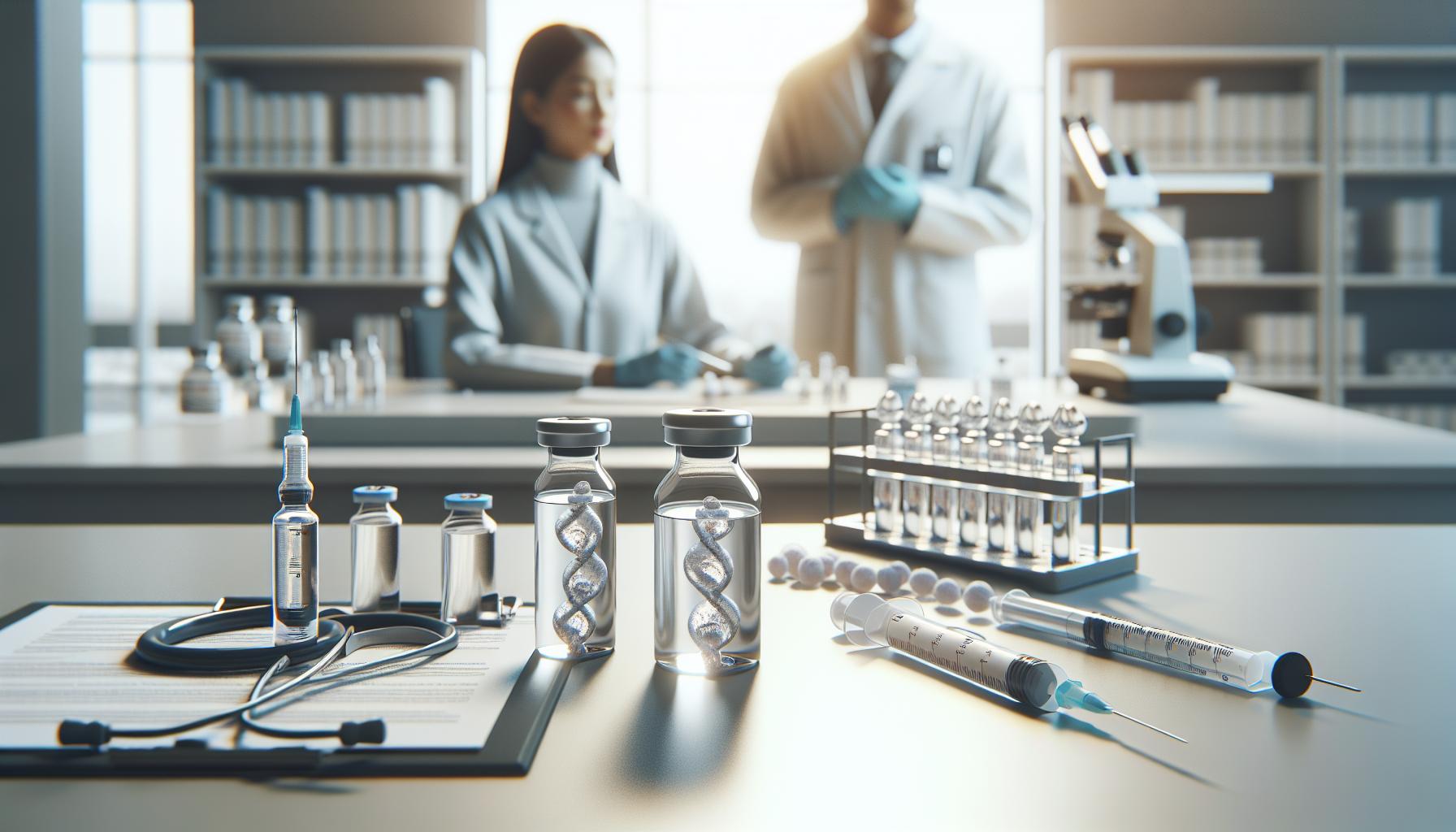
How Ovarian Stimulation Works: A Step-by-Step Guide
The ovarian stimulation phase is a critical part of the in vitro fertilization (IVF) process, designed to maximize the number of eggs retrieved during a single cycle. This phase typically involves the administration of hormones that encourage the development of multiple ovarian follicles-small fluid-filled sacs that contain immature eggs. Understanding how this process unfolds can empower you as you navigate your fertility journey.
Initially, a fertility specialist will evaluate your reproductive health and tailor a specific ovarian stimulation protocol. This involves choosing the appropriate medications and doses based on factors like your age, hormone levels, and individual response to past treatments. The most commonly used medications are Gonadotropins, which include Follicle Stimulating Hormone (FSH) and Luteinizing Hormone (LH). These injections work alongside naturally occurring hormones, mimicking the body’s natural processes to stimulate the ovaries.
Over the course of about 7 to 12 days, you will receive daily hormone injections. These medications act by stimulating your ovaries to produce multiple follicles rather than just the single follicle typical of a natural cycle. Regular monitoring through blood tests and ultrasounds is essential during this time. Through these check-ins, your healthcare team can track the development of follicles, measure hormone levels, and make any necessary adjustments to your medication to ensure optimal results.
Once the follicles reach an appropriate size, usually around 16-20 millimeters, a trigger shot of Human Chorionic Gonadotropin (hCG) is administered. This triggers the final maturation of the eggs within the follicles, preparing them for retrieval. The entire stimulation process is carefully orchestrated to balance maximizing egg production while minimizing risks, such as Ovarian Hyperstimulation Syndrome (OHSS), where the ovaries respond too aggressively to the hormones.
Throughout this journey, remember that emotional support is key. Reach out to loved ones or professionals, as it’s perfectly normal to experience a mix of excitement and anxiety. Each small milestone along the way-whether it’s follicle growth or successful egg retrieval-is a step forward in your quest for parenthood.
Types of Medications Used for Ovarian Stimulation
The success of ovarian stimulation in IVF heavily relies on the specific medications used, which serve to simulate the natural hormonal environment that governs egg production. Typically, the most commonly prescribed medications for this process belong to a category known as gonadotropins, which includes Follicle Stimulating Hormone (FSH) and Luteinizing Hormone (LH). These medications are tailored to promote the growth of multiple follicles, ensuring that more mature eggs can be harvested during retrieval.
Types of Medications
- Follicle Stimulating Hormone (FSH): FSH is essential in stimulating the growth of ovarian follicles. By increasing the levels of this hormone, multiple follicles can develop simultaneously, rather than just one, as would occur in a natural cycle.
- Luteinizing Hormone (LH): While FSH is primarily responsible for follicle development, LH plays a crucial role in triggering ovulation and the final maturation of eggs. In many stimulation protocols, a combination of FSH and LH is used to optimize results.
- Human Chorionic Gonadotropin (hCG): Often referred to as the “trigger shot,” hCG is administered once the follicles reach the appropriate size. It mimics the natural luteinizing hormone surge, leading to the final maturation of the eggs before retrieval.
- Aromatase Inhibitors: While less common in traditional stimulation protocols, aromatase inhibitors such as Letrozole can sometimes be used, particularly in women with conditions like polycystic ovary syndrome (PCOS) or in cases where FSH is not as effective.
The choice of medications for ovarian stimulation is highly individualized and influenced by factors such as a woman’s age, hormonal levels, and previous response to fertility treatments. Your healthcare provider will evaluate your specific situation and may adjust the types and dosages of these medications throughout your stimulation cycle. This tailored approach is essential for maximizing egg yield while minimizing risks associated with ovarian stimulation, such as Ovarian Hyperstimulation Syndrome (OHSS). Each step in this hormonal journey is designed to support your goal of achieving a successful pregnancy, making it crucial to have a compassionate and attentive healthcare team by your side.
Expected Timeline for the Ovarian Stimulation Phase
The timeline for ovarian stimulation in IVF can be broken down into several key phases, each playing a crucial role in preparing the body for egg retrieval. Typically, the entire ovarian stimulation process takes about 10 to 14 days, although this can vary based on individual response to the medications and treatment protocols.
During the first phase, your journey begins with a baseline ultrasound and blood work, usually performed on the second or third day of your menstrual cycle. This assessment helps determine your ovarian reserve and informs the medication dosages needed for stimulation. Following this initial evaluation, your healthcare provider will prescribe specific medications, primarily gonadotropins, to stimulate the ovaries over the course of about 7 to 12 days. Throughout this period, you will likely have multiple follow-up appointments for monitoring. This includes ultrasound examinations to track follicle growth and blood tests to measure hormone levels, ensuring the treatment is progressing as anticipated.
As you approach the end of the stimulation phase, when the follicles have reached the desired size, human chorionic gonadotropin (hCG) will be administered as a “trigger shot.” This step typically occurs about 36 hours before the planned egg retrieval, allowing the follicles to mature fully. It’s essential to strictly follow your doctor’s instructions regarding the timing of this shot, as it can greatly impact the success of obtaining viable eggs.
After the trigger shot, the next critical phase is egg retrieval, which usually occurs within 36 hours. This procedure is typically performed under sedation or anesthesia, ensuring your comfort while allowing the extraction of the mature eggs. Post-retrieval, the next steps will include fertilization and embryo development if applicable, leading to further discussions about your next steps in the journey toward parenthood.
Understanding this timeline can help reduce anxiety and better prepare you for each stage. Communicating openly with your healthcare team is essential; they can provide personalized insights and support throughout this emotionally charged process. Remember, every journey is unique, and it’s normal to experience a range of emotions during this time.
Monitoring and Adjusting During Stimulation
Monitoring during the ovarian stimulation phase is a critical component of the IVF process, as it ensures that your treatment is effectively tailored to your body’s response. Regular check-ins with your healthcare team through ultrasounds and blood tests allow for real-time adjustments to the stimulation protocol, which can significantly enhance the chances of successful egg retrieval.
During these monitoring appointments, ultrasound examinations are conducted to visualize the development of follicles-fluid-filled sacs containing eggs-within your ovaries. Typically, your doctor will look for a specific number of follicles that are reaching maturity, generally around 16-20 millimeters in diameter. This is supplemented by blood tests to measure hormone levels, particularly estrogen, which provides insights into how your body is responding to the medications. These tests are conducted several times throughout the stimulation phase, often every few days, depending on your individual response and the treatment protocol set by your fertility specialist.
If the monitoring indicates that your follicles are developing too quickly or too slowly, adjustments may be necessary. For instance, if the follicles are growing rapidly and you’re at risk of ovarian hyperstimulation syndrome (OHSS), your doctor might reduce medication dosages or change your treatment plan. Conversely, if the follicles are not developing as expected, your doctor may increase hormone doses to encourage better growth. The key is close observation, allowing for specific interventions that can optimize outcomes.
Ultimately, open communication with your reproductive health team during this period is vital. They are there not just to monitor physical progress but also to support you emotionally through this often stressful journey. Understanding that flexibility and adjustment are part of the process can help alleviate some of the worry. Celebrate each stage of growth, and remember that every response is unique; there is no one-size-fits-all approach to IVF. This path requires patience, and by fostering a partnership with your healthcare team, you can navigate the complexities of ovarian stimulation with confidence and care.
Success Rates: What to Expect from Ovarian Stimulation
When undergoing ovarian stimulation as part of the IVF journey, many individuals often wonder about the success rates and what they can realistically expect. The effectiveness of this phase largely depends on several factors, including the patient’s age, hormonal levels, and the specific protocol used for stimulation. According to general statistics, the average success rate of IVF cycles per egg retrieval is approximately 20-40% for women under 35 years old, decreasing gradually with age, which is a crucial consideration when planning your treatment.
It’s essential to note that success is not solely about the number of eggs retrieved but also their quality. The maturity of the eggs, along with the overall health of the reproductive system, plays a significant role in determining whether fertilization and embryo development will occur successfully. Many fertility specialists rely on ultrasound and blood hormone level monitoring to adjust stimulation protocols, aiming to optimize the quantity and quality of the eggs harvested. Success can be enhanced through tailored treatment plans that account for individual responses to medication, which highlights the importance of an open and communicative relationship with your fertility team.
While success rates can provide a hopeful perspective, it’s equally important to acknowledge the challenges and emotional weight of this process. Many individuals face disappointment and uncertainty through IVF, and these feelings are perfectly valid. Recognizing small milestones, such as reaching the necessary follicle count or achieving mature eggs, can help maintain a positive outlook amidst the challenges of fertility treatment. Remember that your journey is unique, and support is available, both from your healthcare team and through community resources, to help navigate the emotional landscape as you pursue your family-building goals.
Potential Risks and Side Effects of Stimming
Undergoing ovarian stimulation is a vital and potentially transformative step in the IVF journey, but it’s essential to approach this phase with a clear understanding of its risks and side effects. Just as the stimulation aims to enhance egg production, it can also introduce challenges that might affect both physical and emotional well-being.
One of the primary concerns related to ovarian stimulation is Ovarian Hyperstimulation Syndrome (OHSS). This condition can arise when the ovaries react too strongly to the hormonal medications. Symptoms can include abdominal pain, bloating, nausea, and in severe cases, fluid accumulation in the abdomen and chest, which may require urgent medical attention. Understanding the signs of OHSS is crucial, as early detection and management can significantly alleviate symptoms.
Additionally, while the medications used for stimulation may effectively promote the growth of multiple follicles, they can also induce side effects such as mood swings, headaches, hot flashes, and fatigue. These physical manifestations can impact emotional health during a time already filled with anticipation and stress. It’s important to remain connected with your healthcare team, who can provide support and possibly modify treatment if you experience significant side effects.
Moreover, the emotional toll of undergoing ovarian stimulation cannot be understated. The uncertainty of the outcome, combined with the physical changes and hormonal fluctuations, can lead to feelings of anxiety and frustration. Acknowledging these emotions is essential; it’s perfectly normal to feel a mix of hope and apprehension throughout this process. Building a strong support system, whether through friends, family, or support groups, can be incredibly beneficial.
Staying informed about potential risks and recognizing that they are part of the broader IVF experience can help navigate this complex path. Regular monitoring and open communication with your fertility specialist can mitigate risks and enhance your confidence as you progress through ovarian stimulation, placing you one step closer to your family-building goals.
Emotional Support During the Stimulation Phase
Navigating the emotional landscape during the ovarian stimulation phase can feel like riding a rollercoaster. The blend of hope for a successful outcome and the anxiety about what lies ahead often create a whirlwind of feelings. Acknowledging these emotions is vital; whether you’re feeling excitement about potential parenthood or grappling with moments of fear, it’s important to remember that these reactions are completely normal and shared by many on this journey.
Building a solid support system can make a difference. Consider connecting with others who understand your experience, such as support groups, online forums, or even friends and family who have gone through IVF. Sharing your thoughts and feelings can help alleviate the stress and fear associated with the unknown. It’s okay to express vulnerability, whether it’s through casual conversation or deeper discussions about your worries regarding treatment outcomes, costs, or side effects.
Take advantage of resources provided by your fertility clinic that may include counseling services or workshops focusing on emotional well-being during treatment. Regular check-ins with your healthcare team can also help you voice concerns and gain insights, reinforcing that you are not alone in this process. Engaging in self-care practices, such as meditation, yoga, or simple relaxation techniques, can help ground you amidst the interplay of hope and apprehension.
Lastly, remember to celebrate small victories along the way, such as the number of follicles developing or simply getting through another day of treatment. Each step forward is a part of your unique journey, and your feelings-be they joy, sadness, or frustration-are valid. Embracing this emotional narrative as part of your wider fertility experience can empower you to navigate the path of ovarian stimulation with greater resilience and support.
Alternative Approaches to Ovarian Stimulation
When traditional ovarian stimulation methods may not yield the desired results or if a person wishes to explore different options for enhancing egg production, alternative approaches can be both beneficial and empowering. Increasingly, fertility specialists are considering individualized stimulation protocols that take into account the unique hormonal responses and medical histories of each patient. This personalized medicine approach not only aims to optimize the number of eggs harvested but also to minimize potential side effects.
Natural Cycle IVF
One of the most notable alternatives to conventional ovarian stimulation is Natural Cycle IVF. This method involves the use of minimal or no medications to stimulate the ovaries, allowing the body to utilize its natural hormonal regulation. In a natural cycle, typically, only one egg matures and is retrieved, which may suit those who prefer a less invasive approach and are wary of the side effects associated with hormonal medications. Although the success rates may be lower compared to traditional methods, this approach can be appealing for women looking for a more holistic and natural path to conception.
Mini IVF
Mini IVF, or mild ovarian stimulation, is another option that might appeal to those looking to reduce the intensity of traditional stimulation. It employs lower doses of fertility medications and focuses on retrieving a smaller number of high-quality eggs. This approach can often be less physically taxing, financially less burdensome, and easier on the body, making it a suitable alternative for women who may have had concerns over the impact of more aggressive stimulation protocols.
Adjunctive Therapies
Incorporating adjunctive therapies such as acupuncture, dietary changes, and lifestyle modifications can also serve as complementary approaches to ovarian stimulation. While the scientific evidence supporting these methods varies, many patients report increased relaxation and improved overall well-being, which may contribute positively to the IVF process. These therapies can help to manage stress, regulate hormonal balance, and enhance blood flow to the reproductive organs, potentially improving ovarian response.
Navigating these options requires an open dialogue with your fertility specialist. They can provide tailored insights based on your individual situation, helping you make informed decisions while respecting your desires and concerns. The journey through IVF can evoke a range of emotions, and embracing alternative stimulation strategies can enhance your sense of agency during this challenging time. Whether opting for a natural cycle, mini IVF, or integrative therapies, it’s essential to prioritize your comfort and emotional health throughout the process.
Financial Considerations for IVF and Stimming
The financial aspect of IVF, particularly during the ovarian stimulation phase, is a crucial factor that can significantly impact your fertility journey. Understanding the costs associated with ovarian stimulation can help you make informed decisions and prepare for the financial commitment involved in this process. In general, the expenses incurred during this phase include medication costs, monitoring fees, and potential additional procedures, which can cumulatively reach significant totals.
Understanding Costs
Typically, the medications used for ovarian stimulation are the largest expense. These can range from $3,000 to $5,000 per cycle, depending on the specific drugs prescribed and the dosage required. The need for personalized dosing, based on individual response, can lead to varying costs between patients. Additional monitoring, including blood tests and ultrasounds to assess follicle development, usually adds between $500 and $1,500 to the overall cost of each cycle.
Insurance Coverage
Navigating insurance coverage can be daunting. Not all insurance plans cover infertility treatments, and those that do may have varying levels of coverage for ovarian stimulation specifically. It’s crucial to understand your policy and check with your insurance provider about what is covered, including medication, monitoring, and any necessary laboratory tests. Patients often find it helpful to request a pre-authorization to ensure that their services will be covered, thus minimizing unexpected out-of-pocket expenses.
Financing Options
For those facing high costs, exploring financing options can provide relief. Many clinics offer payment plans or financing services, allowing you to spread the payments over time. Additionally, some organizations provide grants or financial assistance for fertility treatments, which can help alleviate the burden. Discussing your financial concerns openly with your fertility specialist can help you identify possible resources and make a plan that aligns with both your emotional and financial well-being.
Making informed and proactive financial decisions is essential in your IVF journey. While the costs can feel overwhelming, understanding your options and resources can empower you to take the next steps with confidence and clarity. Remember that you’re not alone in this process, and support is available as you navigate the complexities of fertility treatment.
FAQs About Ovarian Stimulation in IVF
There are many questions that arise during the ovarian stimulation phase of IVF, reflecting both the complexity of the process and the personal nature of each individual’s journey. Understanding these can help ease anxiety and foster informed decision-making. Here are some common questions and their answers:
What is the purpose of ovarian stimulation?
Ovarian stimulation, or “stimming,” is designed to enhance the number of eggs a woman produces during her menstrual cycle. This is crucial for IVF, as multiple eggs increase the chances of successful fertilization and embryo development[[1]](https://www.ivf-spain.com/en/blog/ovarian-stimulation/).
How are medications administered?
The medications for ovarian stimulation are typically administered through injections. Your fertility specialist will provide detailed instructions on how to give these injections, which are usually done daily for a set period. Some patients may feel overwhelmed by this, but over time, many find this process becomes more manageable with practice[[3]](https://www.onefertilitykitchenerwaterloo.com/ovarian-stimulation-ivf/).
What can I expect in terms of side effects?
While many women respond well to ovarian stimulation, it’s important to be aware of potential side effects, which can include bloating, mood swings, and fatigue. In rare cases, ovarian hyperstimulation syndrome (OHSS) can occur, leading to more severe symptoms. Open communication with your healthcare provider is key to managing any side effects and adjusting medications if necessary[[2]](https://pubmed.ncbi.nlm.nih.gov/28501428/).
When will I know if the ovarian stimulation is working?
Monitoring during the stimulation phase is vital. Regular blood tests and ultrasounds are performed to track hormone levels and follicle development. Typically, the first signs of effectiveness can be observed within the first week of treatment, but full evaluations will require ongoing monitoring. Understanding your body’s response can help empower you during this process[[1]](https://www.ivf-spain.com/en/blog/ovarian-stimulation/).
Remember that each individual’s experience with IVF and ovarian stimulation is different, and it’s perfectly normal to feel a mix of hope and anxiety. Seeking support from medical professionals, as well as from friends and family, can provide comfort as you navigate this phase.
Frequently asked questions
Q: What is the purpose of stimming in IVF?
A: The purpose of stimming in IVF is to stimulate the ovaries to produce multiple eggs. This increases the chances of successful fertilization and embryo development, which are critical for achieving pregnancy through in vitro fertilization.
Q: How long does the stimming phase last in IVF?
A: The stimming phase typically lasts 10 to 14 days, depending on the individual’s response to the medications used. Monitoring through ultrasounds and blood tests helps determine the exact duration and dosage adjustments needed.
Q: What are the common side effects of ovarian stimulation?
A: Common side effects of ovarian stimulation may include bloating, abdominal discomfort, mood swings, and headaches. It’s essential to communicate any concerning symptoms to your healthcare provider for proper management.
Q: What happens if ovarian stimulation is not effective?
A: If ovarian stimulation is not effective, the healthcare provider may adjust medication dosages or protocols, explore alternative medications, or consider different approaches, such as trying another IVF cycle or fertility treatment options.
Q: Can I get pregnant naturally after ovarian stimulation?
A: Yes, it is possible to get pregnant naturally after ovarian stimulation, especially if the treatment has successfully produced healthy eggs and improved overall fertility. Consult your doctor for personalized guidance.
Q: Are there any risks associated with ovarian stimulation?
A: Yes, some risks include ovarian hyperstimulation syndrome (OHSS), which can cause severe abdominal pain and swelling. It’s crucial to be monitored closely during the stimming process to mitigate potential complications.
Q: How do I prepare for the ovarian stimulation phase?
A: To prepare for ovarian stimulation, maintain a healthy lifestyle, follow your doctor’s instructions regarding medication, and attend all monitoring appointments. Open communication with your healthcare provider can help tailor the approach to your needs.
Q: Can dietary changes impact ovarian response in IVF?
A: Yes, dietary changes can impact ovarian response. A balanced diet rich in nutrients, antioxidants, and healthy fats may enhance ovarian function and overall fertility. Consider discussing dietary adjustments with your fertility specialist for optimal results.
Wrapping Up
As we wrap up our exploration of ovarian stimulation in IVF, it’s clear that understanding this phase can empower you in your fertility journey. Stimming plays a crucial role in optimizing egg production, setting the stage for potential success. If you have lingering questions or concerns, don’t hesitate to connect with us or check out our detailed guides on IVF success rates and medication protocols.
Take the next step towards your family-building dreams by subscribing to our newsletter for ongoing support and tailored resources. Remember, you’re not alone in this; our community is here to help you navigate every challenge and celebrate each milestone. For further insights on related topics, be sure to explore our articles on artificial insemination and fertility options. Your journey is unique-let’s embrace it together.