The reproductive glands play a crucial role in our overall health and fertility, influencing everything from hormone balance to conception. Understanding the combining form associated with these glands can empower individuals on their reproductive journeys, whether they’re seeking to conceive or exploring options like IVF or artificial insemination. This knowledge not only clarifies medical terminology but also helps demystify what can often feel like an overwhelming process. By learning more about these terms and their implications, you’ll gain valuable insight into your reproductive health, paving the way for informed decisions and support along the way. Join us as we dive deeper into the significance of this topic and how it relates to your own experiences.
Understanding Reproductive Glands and Their Functions
The human reproductive system relies heavily on the complex and intricate functions of reproductive glands, which play critical roles in hormonal balance and fertility. These glands include the ovaries and testes in females and males, respectively, as well as accessory glands such as the prostate and seminal vesicles. Each gland’s unique responsibility contributes to overall reproductive health, enabling not just the possibility of conception but also the maintenance of sexual health throughout life.
Understanding these glands starts with recognizing their primary functions. Ovaries are responsible for producing eggs (ova) and secreting hormones like estrogen and progesterone that regulate the menstrual cycle and support pregnancy. Conversely, testes produce sperm and hormones such as testosterone that influence male sexual characteristics and reproductive functions. Hormonal regulation is essential; for instance, fluctuations in estrogen and progesterone can impact ovulation and menstruation, while testosterone levels influence sperm production and libido in men.
Several factors can influence the functionality of reproductive glands, including age, lifestyle, and environmental toxins. For those facing challenges related to fertility, acknowledging the emotional weight of the journey is crucial. Each individual’s experience with reproductive health can be fraught with uncertainty, making it essential to approach the subject with empathy and support. Understanding the specific roles and changes in reproductive glands can empower individuals to seek appropriate medical advice and explore treatment options effectively.
In terms of practical guidance, regular health check-ups are vital. These can include diagnostic tests to evaluate the health of reproductive glands-such as hormone level assessments and imaging tests. Staying informed about one’s own reproductive health can provide not only peace of mind but also serve as a proactive measure for those considering family building or seeking treatment for reproductive health issues. Being inclusive and respectful of diverse family structures and reproductive choices fosters a more supportive environment for all individuals navigating their paths to parenthood.
Defining the Combining Form for Reproductive Glands
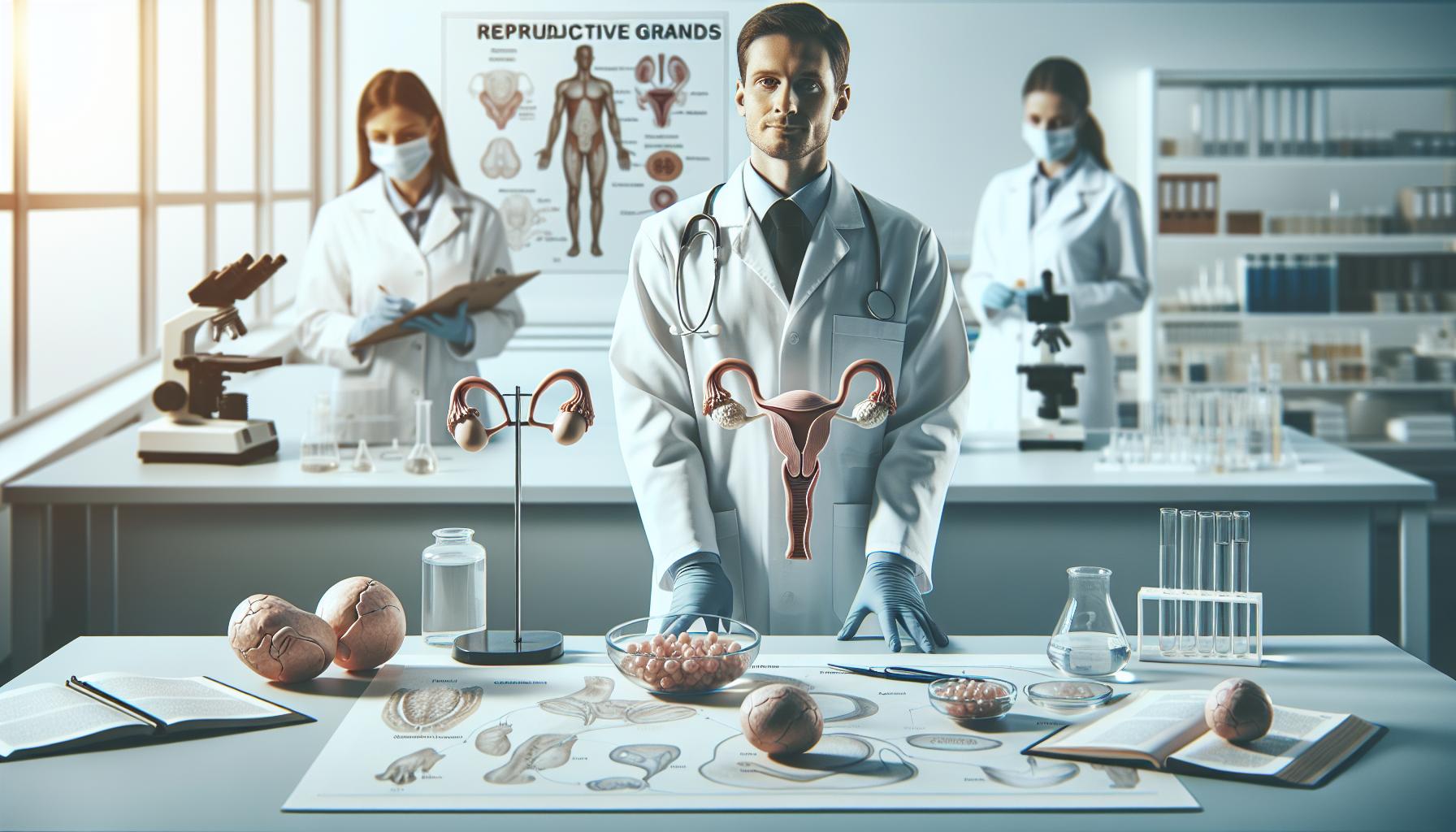
The combining form for reproductive glands stems from the Greek word “gonos,” which translates to “seed” or “offspring.” This foundation reflects the primary function of these glands in producing gametes-sperm in males and ova in females-and facilitating reproduction. It’s essential to understand this terminology as it not only emphasizes the role of reproductive glands in conception but also highlights the broader context of reproductive health, including hormonal regulation and overall wellness.
Recognizing the combining form helps in understanding various terms related to reproductive health, such as “gonad,” which refers to the reproductive organs that produce gametes. Both ovaries and testes are classified as gonads, integral in maintaining fertility. Moreover, this understanding can demystify medical discussions about reproductive health, such as when seeking advice on conditions like polycystic ovary syndrome (PCOS) or low testosterone levels.
Using terminology that includes “gonos” can enhance communication with healthcare providers. For instance, when discussing disorders of the reproductive glands, terms like “hypogonadism” (reduced hormone production from gonads) and “hypergonadism” (excess hormone production) clarify the nature of the issues being addressed.
By understanding the combining forms and their implications, individuals can better navigate their reproductive health journeys. Engaging with practitioners using this language makes for a more informed dialogue, facilitating an environment where concerns are adequately addressed, and hopes are nurtured. As you explore reproductive health, remember that every question is valid, and understanding the terminology strengthens your ability to advocate for your wellbeing.
Common Misconceptions about Reproductive Gland Terminology
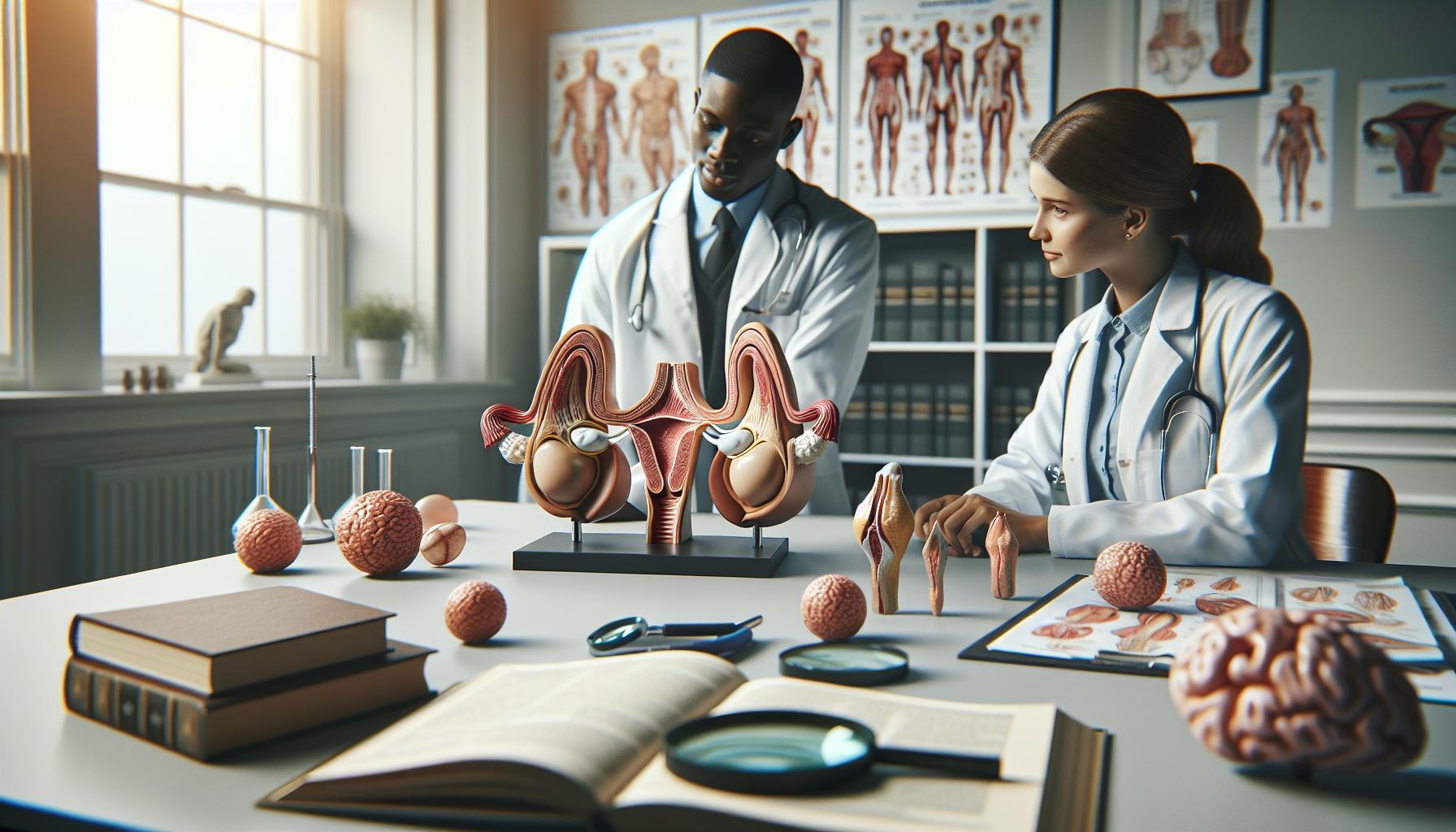
Misunderstandings surrounding reproductive gland terminology can create unnecessary confusion and sometimes perpetuate stigma around reproductive health. One common misconception is that all references to “gonads” strictly imply sexual organs without acknowledging their broader physiological roles. While it’s true that gonads-ovaries and testes-are pivotal for gamete production, they also significantly influence hormonal balance and overall health.
Many people associate terms like “hypogonadism” solely with fertility issues, neglecting the other health implications tied to reduced hormone production. This could encompass symptoms ranging from fatigue to emotional fluctuations. Conversely, the term “hypergonadism” can instill fear due to its connotation of excess, but it merely indicates increased hormone levels, which can also have a range of effects on health, both positive and negative. It’s crucial to understand that these terms encompass a spectrum of bodily functions and are not limited to reproductive capabilities.
Moreover, the idea that understanding these terms is only necessary for healthcare professionals is misleading. Individuals navigating their reproductive health should feel empowered to familiarize themselves with these terminologies. By doing so, they can ask informed questions during consultations, engage more productively with their healthcare providers, and advocate for their health needs confidently. Recognizing the depth of meaning behind terms related to reproductive glands fosters an open dialogue that can alleviate concerns and provide clarity on what works best for one’s personal health journey.
It’s also important to remember that every person’s experience with reproductive health is unique, shaped by a multitude of factors like lifestyle, medical history, and personal goals. Embracing this complexity helps normalize conversations around reproductive gland terminology, which can ultimately lead to better health outcomes and emotional support.
The Anatomy of Reproductive Glands: A Detailed Overview
The reproductive glands, also known as gonads, are crucial in human biology, serving not only to produce gametes but also to regulate hormone levels that are essential for overall health. In females, the ovaries are responsible for producing eggs and hormones like estrogen and progesterone, while in males, the testes produce sperm and testosterone. Understanding the anatomy and functions of these glands is vital for comprehending the intricate interplay between reproductive health and hormone regulation.
Structure of the Reproductive Glands
Both the ovaries and testes have unique structures that facilitate their functions. Ovaries are almond-shaped organs located in the pelvic cavity, containing follicles that house immature eggs. These follicles undergo maturation regulated by hormonal signals, leading to ovulation. On the other hand, testes are located in the scrotum, a pouch that maintains an optimal temperature for sperm development. Within the testes, seminiferous tubules produce sperm cells, while interstitial cells produce testosterone.
Functions Beyond Reproduction
While the primary function of reproductive glands is gamete production, their hormonal output influences various body systems. For instance, estrogen and progesterone from the ovaries play critical roles in regulating the menstrual cycle, bone density, and cardiovascular health. Similarly, testosterone from the testes is vital not only for sperm production but also for maintaining muscle mass, mood stability, and libido. This extensive hormonal influence underscores the importance of maintaining reproductive gland health for overall well-being.
Implications for Fertility
The health of reproductive glands directly impacts fertility and overall reproductive function. Hormonal imbalances can lead to conditions such as polycystic ovary syndrome (PCOS) in females or low testosterone levels in males, affecting both the ability to conceive and broader health outcomes. Understanding this connection can empower individuals to seek help and appropriate treatments that address hormonal health.
Maintaining the health of reproductive glands involves a combination of lifestyle choices and regular medical check-ups. Awareness of personal and family medical histories, healthy diet, exercise, and managing stress are all pivotal in promoting optimal gland function. As one navigates through any challenges related to reproduction and hormones, remember that seeking guidance from healthcare professionals can provide clarity and support tailored to personal needs.
The Role of Hormones Produced by Reproductive Glands
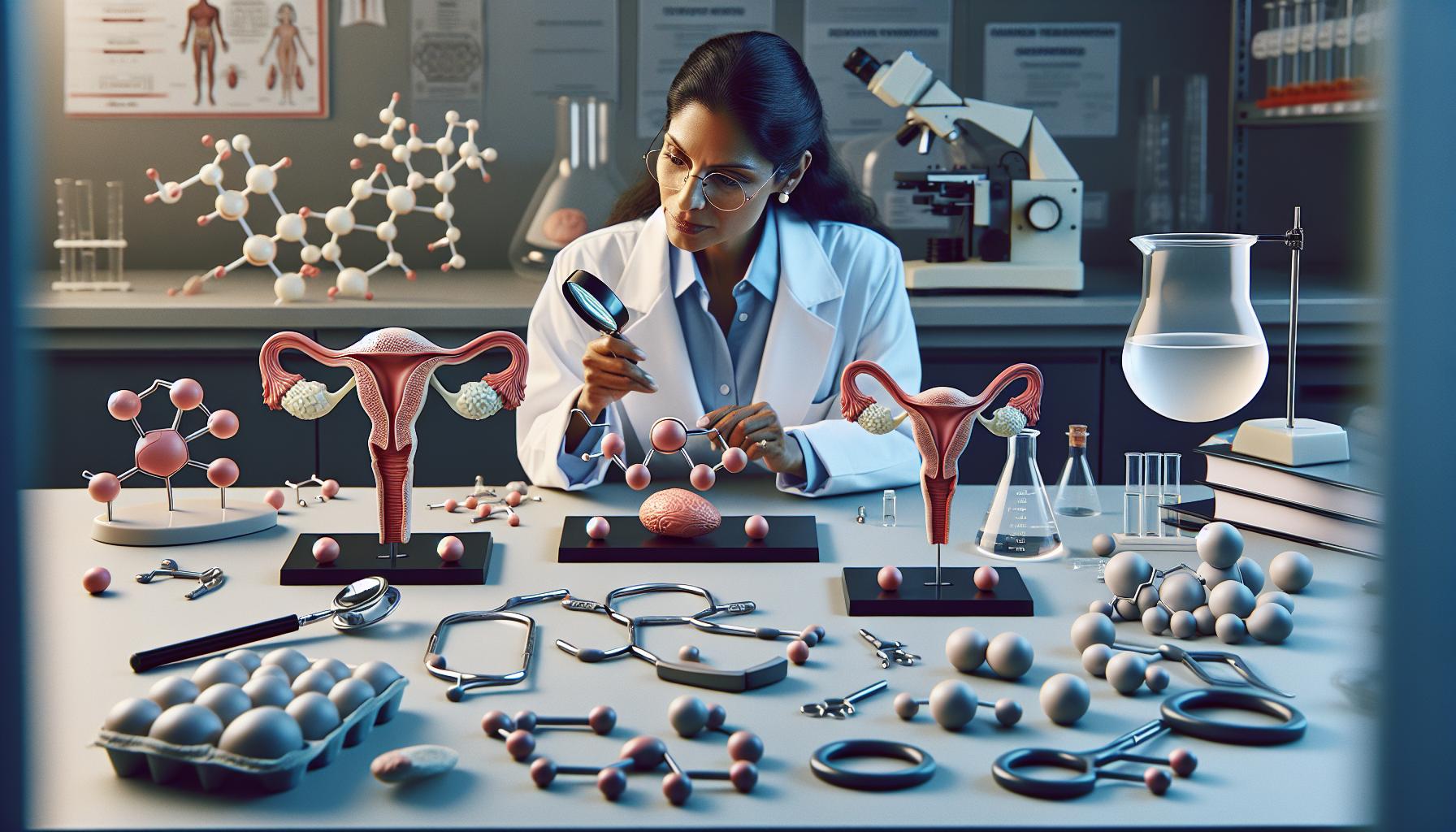
The intricate dance of hormones produced by reproductive glands is essential for regulating numerous physiological processes, extending far beyond mere reproduction. In females, the ovaries secrete crucial hormones such as estrogen and progesterone, which play vital roles in not only the menstrual cycle but also in maintaining bone density, cardiovascular health, and overall mood stability. During different phases of the menstrual cycle, fluctuations in these hormones trigger ovulation and prepare the body for a potential pregnancy. This hormonal harmony is crucial for fertility; an imbalance in estrogen or progesterone can lead to various reproductive health issues.
Conversely, males rely on testosterone produced by the testes, which is integral not just for sperm production but also for the maintenance of muscle mass, energy levels, and libido. Low testosterone levels may manifest as fatigue, mood fluctuations, and diminished sexual desire, all of which can significantly impact a man’s quality of life and fertility. Recognizing these signs is important for early intervention and treatment.
Understanding the roles of these hormones helps demystify the significant emotional journeys many individuals face when dealing with reproductive health challenges. Whether grappling with the effects of conditions like polycystic ovary syndrome (PCOS) or age-related hormonal shifts, it’s essential to acknowledge the valid emotions surrounding these processes. Seeking support from healthcare professionals can provide clarity on hormone health management, discussing options ranging from lifestyle changes to pharmacological interventions. This support is vital for fostering a positive outlook while navigating the complexities of reproductive health, ensuring that both mental and physical well-being are addressed on this journey.
Connections Between Reproductive Glands and Fertility
Understanding the intrinsic can empower individuals on their journey to conceive or navigate fertility challenges. Reproductive glands, primarily the ovaries in females and the testes in males, produce essential hormones that regulate reproductive functions and overall health. For instance, the ovaries not only release eggs necessary for conception but also secrete hormones like estrogen and progesterone, which are vital for preparing the uterine lining for pregnancy. An imbalance in these hormones can disrupt the menstrual cycle, leading to conditions such as irregular ovulation or amenorrhea, both of which can hinder fertility.
In males, the testes produce testosterone, which is crucial for sperm development and maintenance of the male reproductive system. Low testosterone levels can lead to reduced sperm production, diminished libido, and even erectile dysfunction, thereby directly impacting fertility. Higher stress levels, poor diet, and lifestyle factors can pose threats to hormone production, emphasizing the need for a holistic approach to reproductive health. By ensuring that the body receives adequate nutrition, managing stress, and maintaining a healthy lifestyle, individuals can support their reproductive gland function and overall fertility.
It’s essential to understand that the journey toward family building is often fraught with emotional challenges. Couples may grapple with feelings of grief or disappointment as they navigate infertility, face treatment decisions, or experience hormonal fluctuations that impact their mood and well-being. Seeking support from healthcare professionals can help demystify these processes, providing clarity about the different paths available, such as in vitro fertilization (IVF), artificial insemination (AI), or even adoption. Celebrating small milestones along the way and validating the emotions that arise can be a crucial aspect of this journey.
Ultimately, awareness and understanding of how reproductive glands impact fertility can guide individuals toward making informed decisions while ensuring they feel supported throughout the process. A compassionate approach helps build resilience and hope as they explore their options and take proactive steps toward achieving their family-building goals.
Key Disorders Affecting Reproductive Glands
Disorders affecting reproductive glands can significantly impact an individual’s fertility and overall reproductive health. It’s important to recognize that these conditions can manifest in various ways and can create a profound emotional burden for those affected. Here are some of the key disorders and their implications.
One common disorder is polycystic ovary syndrome (PCOS). This condition causes hormonal imbalances, leading to irregular menstrual cycles and difficulties with ovulation. Women with PCOS often experience cysts in their ovaries, which can contribute to weight gain and insulin resistance. Addressing PCOS typically involves lifestyle changes, such as weight management and dietary adjustments, alongside medications to regulate menstrual cycles and improve fertility.
In males, hypogonadism-where the testes do not produce enough testosterone-can severely affect fertility. This disorder can result in reduced sperm production, decreased libido, and other physical symptoms such as fatigue and muscle loss. Treatment often includes hormone replacement therapy to restore testosterone levels and enhance reproductive capability.
Another significant area of concern is thyroid disorders, which can affect both men and women. The thyroid plays a critical role in regulating the body’s metabolism and hormone functions. Hypothyroidism (low thyroid hormone levels) and hyperthyroidism (excess thyroid hormone levels) can lead to irregular periods in women and reduced sperm production in men, thereby impacting fertility. Managing thyroid conditions through medication can often restore normal reproductive function.
Key Symptoms and Management Strategies
Understanding the symptoms and management strategies for these disorders can empower individuals in their reproductive health journey. Here are some common symptoms to watch for:
- Irregular menstrual cycles or amenorrhea in females.
- Unexplained infertility or recurrent miscarriages.
- Low libido or erectile dysfunction in males.
- Weight fluctuations and distinctive skin changes, such as acne or excessive hair growth in women with PCOS.
For effective management, consider these approaches:
- Regular Medical Consultations: Regular check-ups with a healthcare provider can help diagnose any underlying reproductive gland disorders early.
- Lifestyle modifications: Healthy diet and exercise can be beneficial, particularly for conditions like PCOS and hypothyroidism.
- Supportive Therapies: Consider counseling or support groups to address the emotional challenges associated with these disorders.
By being aware of these potential reproductive gland disorders and their impact, individuals can take proactive steps towards restoring their reproductive health. It is vital to approach this journey with compassion and acknowledgment of the emotional complexities involved. Every step forward, whether small or large, deserves recognition and support.
Diagnostic Tests for Reproductive Gland Health
Accurate diagnosis of reproductive gland health is crucial for addressing fertility issues and other related conditions. A variety of diagnostic tests are available that can provide valuable insights into hormonal levels, structural abnormalities, and overall reproductive function. Early detection through these tests can lead to more effective treatment options, helping individuals better navigate their reproductive health journey.
To evaluate reproductive gland health, healthcare providers commonly recommend a combination of laboratory tests and imaging studies. Blood tests are pivotal; they often measure hormone levels like estrogen, progesterone, testosterone, and thyroid hormones. For women, luteinizing hormone (LH) and follicle-stimulating hormone (FSH) tests can provide insights into ovarian function and menstrual cycle regulation. For men, a sperm analysis can determine sperm count, motility, and morphology, shedding light on potential issues affecting fertility.
Imaging techniques, such as ultrasound, are also commonly utilized. In women, transvaginal ultrasounds can help visualize the ovaries and uterus, making it easier to spot issues like ovarian cysts, fibroids, or uterine abnormalities. For men, a scrotal ultrasound can assess testicular health. In some cases, more advanced imaging like a hysterosalpingogram (HSG) may be employed to evaluate the patency of the fallopian tubes, essential for conception.
When to Seek Testing
If you are experiencing symptoms such as irregular menstrual cycles, unexplained infertility, or hormonal imbalances, it may be time to consider undergoing diagnostic tests. Engaging with a reproductive health specialist can help guide you through this process, ensuring that you receive comprehensive care tailored to your specific needs. Being proactive about reproductive health is not just about addressing current issues but also about planning for a healthy future-whether that means pursuing natural conception, assisted reproductive technologies like IVF, or considering other family-building options.
Taking this step can feel daunting, but understanding that you have options and support can be empowering. Resources are available to help you through the emotional highs and lows of navigating reproductive health, and being informed about diagnostic tests is a critical part of that journey. Remember, you’re not alone in this; many individuals and couples share similar experiences, navigating the complexities of reproductive gland health together.
Treatment Options for Reproductive Gland Disorders
vary widely, depending on the specific condition and the individual’s health needs. It’s important to approach treatment with both a medical and emotional perspective, recognizing the significant impact that reproductive health challenges can have on a person’s life. Here, we explore some common treatment avenues while providing insights into the emotional journey of those seeking help.
One prevalent pathway is hormonal therapy, often recommended for imbalances associated with disorders such as polycystic ovary syndrome (PCOS) or thyroid issues. These treatments can help restore hormonal levels to normal ranges, alleviating symptoms like irregular menstrual cycles or infertility. Medications such as oral contraceptives can regulate cycles in women, while hormone replacement therapy (HRT) may be suggested for women experiencing menopause-related issues. For men, testosterone therapy may improve levels if there are deficiencies contributing to reproductive issues.
- In Vitro Fertilization (IVF): For individuals facing infertility due to reproductive gland disorders, IVF remains a leading option. While it can be more costly-often ranging from $12,000 to $15,000 per cycle-its success rates, depending on various factors, can be promising.
- Assisted Reproductive Technology (ART): Beyond IVF, ART includes methods like intracytoplasmic sperm injection (ICSI), which can directly address sperm-related issues, and artificial insemination, ideal for couples facing challenges in natural conception.
- Surgery: In some cases, surgical intervention may be necessary to address physical abnormalities, such as fibroids or endometriosis, that can impede reproductive function. Understanding the risks and recovery components of surgery is crucial.
Emotional support throughout this process cannot be overstated. Many individuals experience feelings of grief, uncertainty, and hope as they navigate their reproductive journey. Reaching out to support groups can provide a community of understanding and shared experiences. Whether through online forums or local meet-ups, these connections can be vital for emotional coping and support.
It’s essential to have open conversations with healthcare professionals about treatment options, timelines, and potential outcomes. Discussing financial aspects, including insurance coverage and payment plans, will enable individuals to make informed decisions regarding their reproductive health. By recognizing that each person’s journey is unique, we validate the range of emotions involved while also celebrating the small victories along the way.
Navigating Emotional Challenges in Reproductive Health
The journey through reproductive health is often complex and filled with a myriad of emotional challenges. Understanding that you’re not alone in this experience is vital. Many individuals confront feelings of grief and uncertainty, especially when facing fertility challenges, seeking treatments, or navigating the effects of disorders related to reproductive glands. Emotions can swing between hope and despair, making it crucial to find supportive networks and validate your feelings throughout this process.
It’s essential to recognize that everyone’s path is unique. For many, the options available-such as In Vitro Fertilization (IVF) or Assisted Reproductive Technology (ART)-can bring a gleam of hope, yet these choices come with significant emotional and financial considerations. For instance, IVF can cost anywhere from $12,000 to $15,000 per cycle, which often adds stress to an already challenging journey. Being open with healthcare professionals about your concerns and financial realities can help pave the way for better understanding and support.
Reaching out to support groups or online communities can provide a safe haven for sharing experiences and connecting with others who understand the emotional weight of this journey. These connections can be invaluable, offering reassurance and camaraderie. Celebrate the small milestones, whether it’s a successful treatment cycle or simply a good day emotionally. It’s also important to respect your own emotional responses and to give yourself permission to grieve when necessary.
Navigating the emotional landscape of reproductive health requires compassion-both towards yourself and from those around you. Engage with mental health resources if needed and consider exploring various emotional coping strategies, such as mindfulness or counseling. Remember, the path to reproductive health is a journey, not a race. Each step taken, no matter how small, is a victory in its own right.
Resources and Support for Reproductive Health Concerns
Understanding reproductive health involves not only medical knowledge but also access to resources and support that can ease the emotional and practical burdens associated with reproductive health concerns. Whether you are navigating fertility journeys, facing hormonal disorders, or tackling the complexities of reproductive anatomy, there are valuable avenues to explore that can offer assistance and understanding.
Connecting with healthcare providers who specialize in reproductive health is essential. They can provide tailored advice, from understanding the combining forms related to reproductive glands to navigating treatment options. In addition to doctors, fertility specialists, and endocrinologists, consider consulting a reproductive health nurse or therapist. These professionals can help demystify medical terminology and explain procedures in a more approachable manner. Your healthcare team can also assist in developing a personalized plan, highlighting critical aspects such as treatment costs and success rates for various interventions.
Support groups and online communities are powerful resources that can foster a sense of belonging and understanding. Engaging with others who share similar experiences can validate your feelings and reduce the sense of isolation that often accompanies reproductive challenges. Look for local or virtual groups focused on specific issues-whether it’s infertility, hormone-related conditions, or more general reproductive health issues. Many organizations offer forums, chat rooms, and social media groups where you can share stories, seek advice, and find emotional support from those who understand the nuances of your journey.
Furthermore, educational resources provided by reputable organizations can be enlightening. The World Health Organization (WHO) and similar entities offer extensive information on reproductive health, including the role of reproductive glands, associated disorders, and impacts on fertility. Reading up on topics like hormonal functions or common conditions affecting reproductive glands can empower you with knowledge, making it easier to communicate effectively with your healthcare provider and understand your options.
Incorporating professional counseling or mental health support may be one of the most transformative steps you take on this journey. Counseling can offer coping strategies for managing emotional challenges, facilitating discussion around feelings of grief or anxiety related to reproductive health. Resources such as meditation apps, mindfulness courses, or even workshops on emotional resilience can provide additional support. Remember, acknowledging and addressing your emotional needs is just as critical as managing the physical aspects of reproductive health. Each step you take toward understanding and addressing your concerns contributes to a more empowered and hopeful journey.
Future Trends in Reproductive Health Research and Awareness
As we look toward the future of reproductive health, it’s encouraging to note that research is advancing at an unprecedented pace, heralding new possibilities that could transform our understanding and treatment of reproductive health issues, including those related to reproductive glands. Emerging technologies, genetic research, and a heightened awareness of health equity are shaping the trajectory of reproductive health research, providing new avenues for discovery and support.
One significant area of focus is the integration of personalized medicine in reproductive health. With advancements in genomics, researchers are beginning to tailor approaches based on an individual’s genetic makeup. This means treatment for reproductive disorders could become more effective, targeted, and less trial-and-error based. For example, understanding the specific genetic markers associated with certain hormonal imbalances or conditions affecting reproductive glands can lead to more precise interventions, ultimately improving success rates for those undergoing treatments like IVF or hormone replacement therapy.
Moreover, there is a growing recognition of the need for comprehensive education around reproductive health, particularly in underserved communities. Expanding access to educational resources-both online and in-person-ensures that individuals are equipped with knowledge about their reproductive health and the role of reproductive glands. This awareness fosters empowerment and encourages proactive health-seeking behaviors. Initiatives aimed at improving sexual and reproductive health literacy across diverse populations will play a vital role in demystifying reproductive health and breaking down the stigma surrounding discussions of fertility and hormonal health.
Innovative Support Systems
In tandem with research advancements, there is an increasing push for technology-driven support systems. Mobile applications and telehealth services create accessibility, allowing individuals to track their reproductive health data conveniently, connect with healthcare providers, and receive personalized advice and resources. These tools can facilitate timely interventions, educational resources, and community support to enhance emotional well-being during the often overwhelming journey of managing reproductive health.
With these developments, the future landscape of reproductive health promises to be more inclusive and responsive to the needs of all individuals. As the sector evolves, we can anticipate a gradual shift towards truly patient-centered care, where technology and compassion intersect to create a supportive environment that respects individual journeys and promotes overall reproductive health. This blend of innovation and empathy is not just vital; it’s transformative, helping ensure that everyone has the opportunity to explore their reproductive options, free from stigma and supported by science.
Faq
Q: What is the combining form for the reproductive glands?
A: The combining form for reproductive glands is gonad. This term is used in medical terminology to refer to the primary reproductive organs, including the ovaries and testes, which produce gametes and hormones. Understanding this term is crucial for discussions about reproductive health and anatomy.
Q: Why are reproductive glands important in the human body?
A: Reproductive glands are vital as they produce hormones and gametes, playing a crucial role in fertility, sexual development, and overall endocrine function. These glands help regulate various physiological processes, impacting health and reproduction.
Q: How do reproductive glands affect hormone levels?
A: Reproductive glands, particularly the ovaries and testes, produce key hormones like estrogen, progesterone, and testosterone. These hormones are essential for regulating reproductive cycles, secondary sexual characteristics, and overall hormonal balance in the body.
Q: What common disorders affect reproductive glands?
A: Common disorders affecting reproductive glands include polycystic ovary syndrome (PCOS), testicular cancer, and hypogonadism. These conditions can disrupt hormone levels, impacting fertility and overall health. For more on disorders, see the ‘Key Disorders Affecting Reproductive Glands’ section.
Q: What diagnostic tests are available for reproductive gland health?
A: Diagnostic tests for reproductive gland health include hormonal blood tests, ultrasounds, and biopsies. These tests help evaluate the functioning of the glands and detect any abnormalities. Regular check-ups are essential for maintaining reproductive health.
Q: How can one support reproductive gland function naturally?
A: Supporting reproductive gland function can be achieved through healthy lifestyle choices, such as a balanced diet, regular exercise, stress management, and avoiding toxins. These practices promote hormonal balance and overall reproductive health.
Q: When should I seek medical advice regarding my reproductive glands?
A: You should seek medical advice if you experience symptoms such as irregular menstrual cycles, abnormal testicular changes, or persistent pelvic pain. Early intervention can lead to better management of reproductive health issues.
Q: What role do reproductive glands play in fertility?
A: Reproductive glands are essential for fertility as they produce the hormones and gametes necessary for reproduction. Proper functioning of these glands ensures optimal ovulation in females and sperm production in males, critical for conception.
Feel free to explore our article sections for a deeper understanding of reproductive health, and don’t hesitate to reach out with any further questions or concerns!
Key Takeaways
Understanding the combining form for the reproductive glands is a critical step in your exploration of reproductive health. By grasping this foundational knowledge, you’re better equipped to navigate discussions around fertility, treatment options such as IVF, and the intricacies of reproductive anatomy. If you’re eager to learn more, check out our articles on IVF process or common infertility causes for deeper insights and practical advice.
Don’t hesitate to take the next step toward your reproductive health goals-whether by subscribing to our newsletter for the latest updates or reaching out for a personalized consultation. We’re here to support you through this journey with empathy and clarity, addressing any lingering questions you may have. Together, let’s foster your understanding of fertility and celebrate each milestone along the way. Remember, you’re not alone in this; we’re here to walk this path with you. Explore more and empower yourself today!
Get our latest guides, news, and insights highlighted in your Google Search & AI Overviews.