Reproduction is a remarkable journey that involves key processes, each intricately designed to create life. Understanding what occurs during reproduction is vital, whether you’re exploring family-building options or navigating the emotional landscape of infertility. The path to conception can be filled with a mix of hope and uncertainty, and it’s essential to recognize that every individual’s journey is unique. By demystifying the stages of reproduction-like ovulation, fertilization, and embryo implantation-you can become more informed about your own reproductive health. This knowledge empowers you to make choices that align with your goals, whether that includes natural conception, assisted reproductive technologies, or considering alternative family-building methods. Let’s delve into these key processes and uncover how they impact your fertility journey, offering insights and support along the way.
Understanding Reproductive Processes and Their Importance
Understanding the intricate processes of reproduction is vital, not only for those trying to conceive but also for anyone interested in the marvels of human biology. The journey from a single cell to a fully formed human being involves complex and carefully coordinated steps that define our existence. Each stage, from the formation of gametes through meiosis to the eventual implantation of an embryo, underscores the delicate interplay of cellular and hormonal signals that can determine a person’s ability to conceive and nurture life.
During reproduction, the formation of gametes through meiosis is a critical initial step. This process not only halves the chromosome number, ensuring genetic diversity, but also lays the groundwork for the unique combination of traits that will define the resulting offspring. Hormones play a pivotal role at this stage, regulating everything from the maturation of eggs in women to sperm production in men. Understanding hormonal influences can help those experiencing difficulties in conception identify potential issues early and seek appropriate treatments.
Once gametes are formed, fertilization occurs, transforming the ovum into a zygote. This single-cell organism then begins a journey of rapid division and specialization as it develops into an embryo. The stages of embryonic development are crucial, as they determine the health and viability of the pregnancy. Following this, implantation into the uterine lining represents a critical point; without successful implantation, the journey ends before it truly begins. This step is often underappreciated but is essential for sustaining a pregnancy.
Reproductive strategies vary widely, influenced by both biological and environmental factors. Factors such as age, lifestyle, and health can significantly impact reproductive success. Understanding these elements can empower individuals with knowledge, helping them make informed choices about family planning or fertility treatments. Resources are available that outline various treatments and their success rates, providing clarity amidst the complexity of reproductive health. In this emotional journey, being informed can offer a sense of control and hope, validating the experiences and feelings associated with the path to parenthood.
How Gametes Form: The Basics of Meiosis
The formation of gametes is the backbone of sexual reproduction, and it occurs through a remarkable process called meiosis. This specialized form of cell division is crucial because it reduces the chromosome number by half, leading to the creation of unique reproductive cells. In humans, this means that gametes-sperm and eggs-each carry just 23 chromosomes instead of the usual 46. Without this reduction in chromosome number, fertilization would lead to offspring with double the necessary genetic material, which is not viable.
Meiosis consists of two sequential divisions known as meiosis I and meiosis II. During meiosis I, homologous chromosomes-pairs of chromosomes that contain the same genes, though potentially different alleles-are separated into different cells. This stage is critical for genetic diversity because it allows for recombination, where sections of DNA are exchanged between chromosomes. This leads to gametes that carry a mix of traits from each parent, ensuring that each child is genetically unique. Meiosis II mimics a typical mitotic division, resulting in the final formation of four haploid gametes, each genetically distinct.
Understanding how gametes form can empower individuals on their reproductive journey. For those considering assisted reproductive technologies like in vitro fertilization (IVF), knowing that the health and viability of gametes are vital for success can guide decisions about timing and methods of preservation. It’s also important to acknowledge that the emotional weight of this process can be significant. As couples navigate this journey, they may experience hope, frustration, and even grief. Recognizing these feelings is part of the process, and finding support-whether through professionals, like fertility specialists, or supportive communities-can make a profound difference in coping with the challenges of conception.
In summary, the process of meiosis not only enables the formation of gametes but also enriches genetic diversity, laying the foundation for the unique tapestry of human life. Whether you are a potential parent or simply curious about reproductive biology, understanding this process is an essential piece of the larger puzzle of life.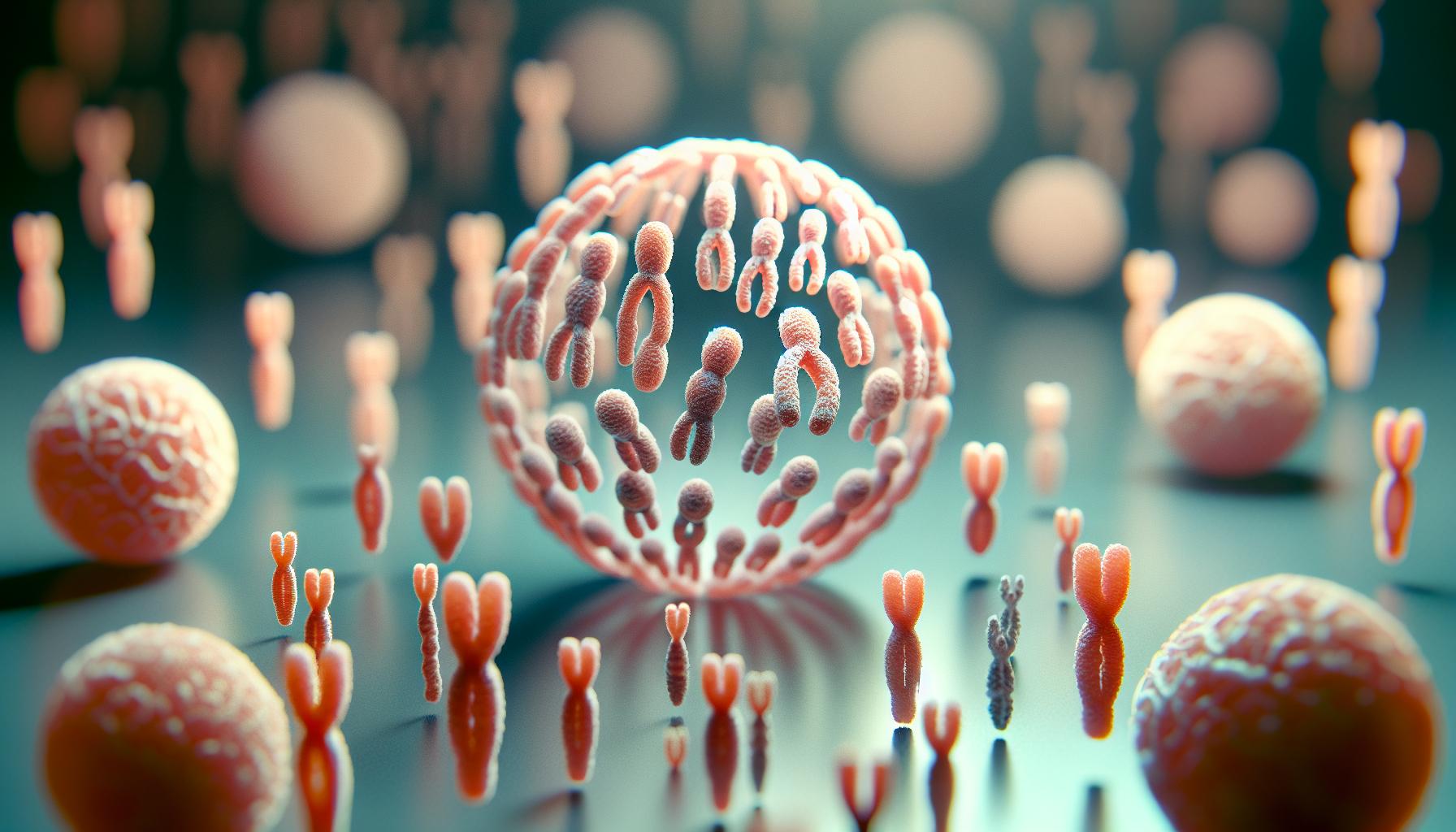
The Role of Hormones in Reproductive Health
Hormones are the master regulators of reproductive health, intricately influencing nearly every aspect of the reproductive process-from the onset of puberty to the challenges faced during conception and pregnancy. These chemical messengers, including estrogen, progesterone, testosterone, and others, orchestrate the various stages of the reproductive cycle, playing essential roles in fertility, sexual development, and overall reproductive well-being.
During the menstrual cycle, the interplay between hormones is critical. For instance, estrogen is responsible for thickening the uterine lining, preparing it for a potential pregnancy, while progesterone steps in after ovulation to maintain that lining. If fertilization does not occur, a drop in these hormone levels leads to menstruation. Understanding these hormonal dynamics can empower those navigating their fertility journey. For instance, tracking hormonal fluctuations can help identify ovulation, enhancing the chances of conception for those trying to conceive.
In addition to facilitating the normal reproductive cycle, hormones also respond to various stressors, emotions, and lifestyle factors. This can complicate the journey towards parenthood, as emotional and psychological stress can affect hormone levels and, in turn, reproductive health. It’s vital to approach this journey with compassion and patience. Recognizing the emotional weight of fertility challenges-from the excitement of trying to conceive to the disappointment of setbacks-can help couples seek the support they need, whether that be through friends, support groups, or fertility specialists.
For those facing infertility, a deeper understanding of the role of hormones can lead to more informed decisions regarding treatment options. Hormonal imbalances can often be addressed through lifestyle changes, medication, or assisted reproductive technologies like in vitro fertilization (IVF). Transparent discussions about costs, success rates, and treatment timelines with healthcare providers can alleviate anxiety and foster a collaborative approach to overcoming reproductive challenges. It’s essential to validate the complex emotions associated with this journey, celebrating small milestones while recognizing that each path to parenthood is unique. By maintaining open lines of communication with healthcare providers and support systems, individuals can navigate their reproductive journey with greater clarity and resilience.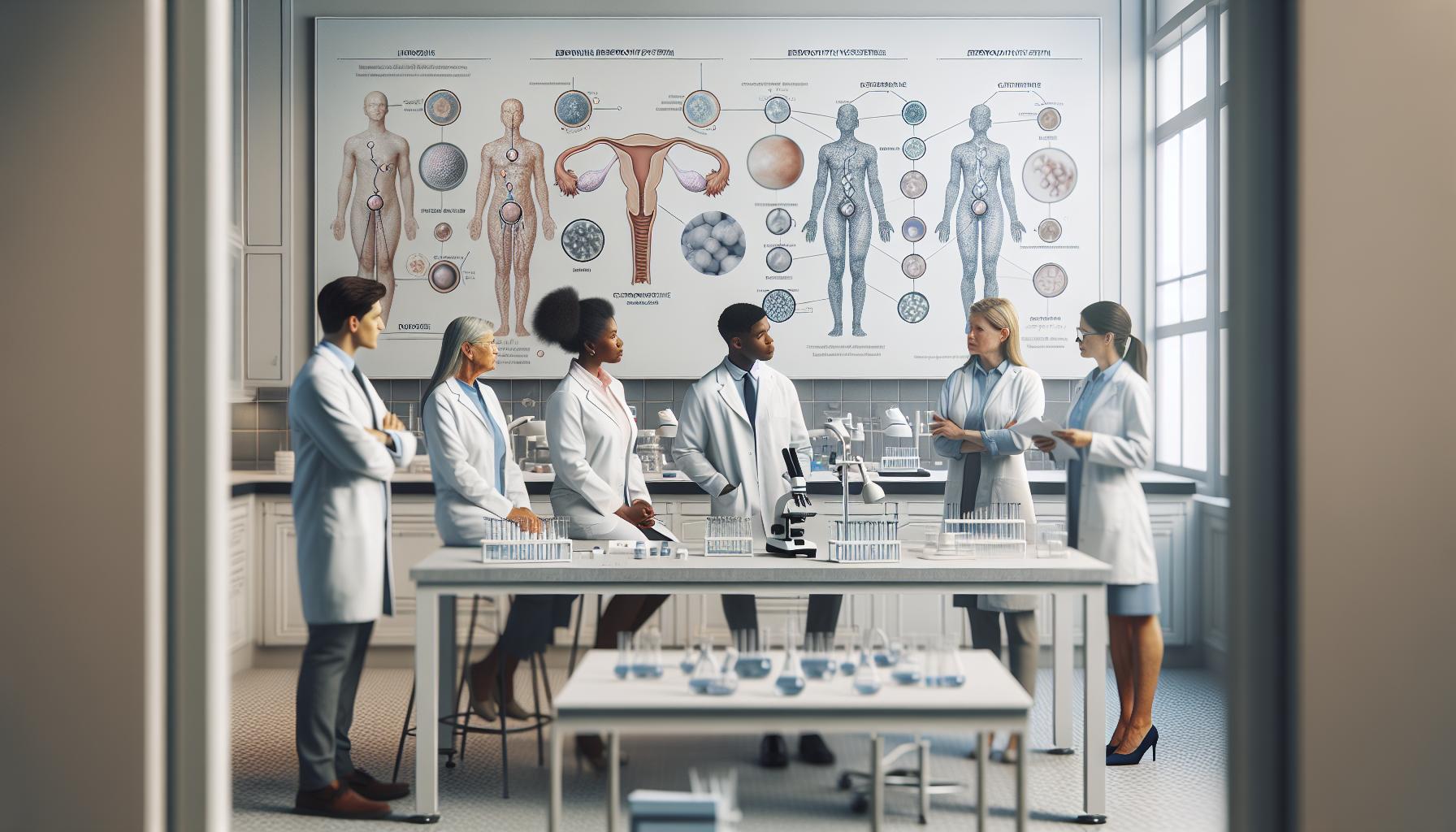
Fertilization: From Ovum to Zygote Explained
The journey from ovum to zygote is a remarkable and intricate process, marking the very beginning of human life. Fertilization occurs mainly in the ampulla of the fallopian tube, where a sperm successfully penetrates and merges with an ovum (egg cell). This critical moment initiates a series of transformations that lay the groundwork for future development. Understanding this process can be both empowering and enlightening for those navigating the complexities of reproductive health.
During fertilization, a sperm cell undergoes essential changes, primarily capacitation, which enhances its ability to swim and prepares it for the acrosome reaction. This reaction is vital as it allows the sperm to penetrate the zona pellucida, the protective layer surrounding the egg. Once the sperm successfully enters the egg, the genetic materials from both parents combine to create a single cell known as a zygote. This zygote is now a unique entity, with a combination of genetic information that will dictate its traits and characteristics.
Fertilization also triggers various cellular processes, such as egg activation and the initiation of cell division. The zygote undergoes several rounds of division-called cleavage-only a few days after fertilization, leading to the formation of a blastocyst. It is this blastocyst that will ultimately implant into the uterine lining, a crucial step for establishing a pregnancy. The timeline from fertilization to implantation typically spans about 5 to 6 days, during which the zygote transitions from a single cell to a more complex structure ready for implantation.
Understanding the fertilization process is not just about biology; it can also bring about emotional reflections on the journey to parenthood. For many, the hope and anticipation surrounding fertilization can be a beautiful yet daunting experience. It’s essential to recognize the joy of this milestone while remaining aware that challenges may arise along the way. Whether through natural conception, assisted reproductive technologies, or other paths to parenthood, each step taken from ovum to zygote and beyond is significant, deserving of understanding and appreciation.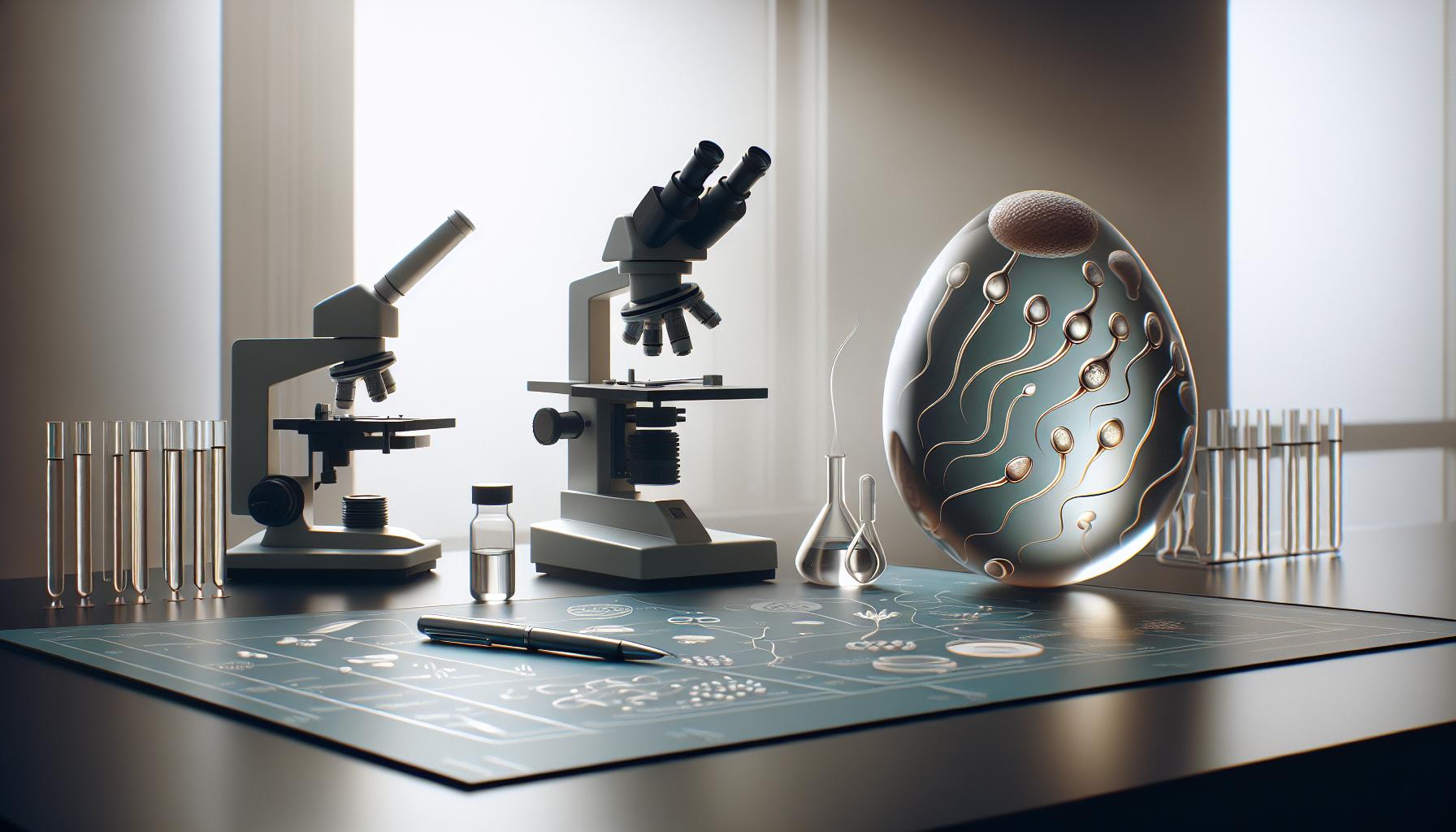
Development of Embryos: Key Stages to Know
The journey of an embryo from conception to implantation is a fascinating and critical phase in human development, marking the beginning of what could become a new life. After fertilization, where the sperm merges with the egg to form a zygote, this single cell rapidly divides and transforms through several key stages. Each stage plays a pivotal role in establishing the groundwork for a developing fetus, highlighting the complexity and wonder of reproductive biology.
Within approximately 24 to 36 hours post-fertilization, the zygote undergoes its first mitotic division, creating two cells, known as blastomeres. This process of division continues, leading to an increase in cell number while the overall size remains relatively constant, producing a structure called a morula by about day 3. As the morula progresses towards the uterus, the cells continue to divide and begin to undergo differentiation, forming a fluid-filled cavity known as the blastocyst by day 5. This is a critical phase where the blastocyst will further develop and differentiate into two primary components: the inner cell mass, which will eventually form the embryo, and the trophoblast, which will contribute to the placenta.
The process culminates around day 6 when the blastocyst reaches the uterine lining and prepares for implantation. This attachment is not merely a physical contact; it involves a dynamic interaction between the blastocyst and the uterine tissue. The trophoblast cells secrete enzymes that help in burrowing into the endometrium, facilitating a successful implantation. This step is crucial for the establishment of pregnancy, as it allows for the necessary blood supply and nutrition to support the growing embryo.
Throughout this development, the emotional journey can be intense for prospective parents. Understanding these stages can provide reassurance and a sense of connection to the biological processes at play. As you navigate the challenges and hopes on your path to parenthood, remember that each step-from zygote formation to implantation-holds significance in the overall reproductive journey. It’s essential to acknowledge both the beauty and complexity of this process, celebrating small milestones while being aware of the challenges that may arise.
Implantation: The Critical Step for Pregnancy
The journey of the blastocyst as it prepares for implantation is a pivotal moment in the early stages of pregnancy, representing the transition from a collection of cells to a life-ready entity. Around day 6 after fertilization, it arrives at the uterine lining, ready to engage in a complex and delicate process. Implantation is not merely a simple attachment; rather, it is an intricate dialogue between the blastocyst and the endometrium, the uterine lining, involving biochemical signals and structural changes. The success of this step is crucial for establishing a viable pregnancy.
During implantation, the trophoblast cells on the surface of the blastocyst actively penetrate the endometrium. This process is facilitated by the secretion of enzymes that help in remodeling the uterine tissue, creating the necessary space for implantation. Not only does this allow the blastocyst to anchor itself to the uterine wall, but it also initiates the development of a critical interface for nutrient and waste exchange between mother and embryo. This early interaction lays the groundwork for placenta formation, essential for sustaining the developing fetus throughout pregnancy.
While the biological underpinnings are fascinating, the emotional weight of implantation can also have profound implications for prospective parents. The anticipation and uncertainty during this time can lead to a rollercoaster of feelings, from hope to anxiety. It’s important to recognize that success rates can vary based on various factors, including maternal age, health conditions, and previous reproductive history. Understanding these elements can empower couples to navigate this delicate period with realistic expectations and support each other through the emotional highs and lows.
If you are on this journey, it can be comforting to connect with others who share similar experiences or to seek supportive resources that validate your feelings. Remember that each pregnancy journey is unique, and whether through natural conception or assisted reproductive technologies like IVF, every step-especially implantation-should be celebrated as part of your personal path to parenthood.
Understanding Different Reproductive Strategies
Different reproductive strategies encompass various methods organisms use to ensure the continuation of their species. These strategies are shaped by evolutionary pressures and the specific environmental contexts in which organisms reside. Understanding these strategies can offer insights into reproductive health and family planning, which can be valuable as you navigate your personal journey.
Among vertebrates, reproductive strategies vary widely. Some species, like many fish and amphibians, employ external fertilization, releasing eggs and sperm into the environment where fertilization occurs. This method can produce a large number of offspring but provides minimal parental care,-a gamble with a potentially high payoff when conditions are favorable. In contrast, mammals-including humans-tend to use internal fertilization, where sperm fertilizes the egg within the female’s body. This method increases the chances of embryo survival, as the developing young receive vital nutrients and protection.
For couples considering family planning, recognizing these biological fundamentals can be empowering. For instance, in vitro fertilization (IVF) is a technique that mirrors the principles of external fertilization but allows for greater control over the process. While it can be costly and emotionally taxing, understanding its mechanics and success rates can help mitigate anxieties associated with assisted reproduction. It is also essential to remember that each individual’s journey is unique, and seeking guidance from fertility specialists can prove invaluable.
Ultimately, adapting to different reproductive strategies not only highlights the extraordinary ways life persists and evolves but also serves as a reminder of the importance of choice in your reproductive journey. Emphasizing supportive practices, remaining flexible in your approach, and being aware of your emotional needs throughout can help create a more positive experience, regardless of the path you may take.
The Impact of Age on Reproductive Success
As individuals navigate the journey of family planning, understanding becomes crucial. It’s common to have questions about how age affects fertility, especially as couples consider the timing and methods of conception. For women, fertility peaks in their late teens and early 20s, with approximately 85% chance of conceiving within a year. This figure drops significantly as women reach their 30s-falling to around 75% by age 30 and declining further by age 35, when the likelihood of conception in any given cycle decreases significantly due to factors like egg quality and hormonal changes [[1]](https://www.tandfonline.com/doi/full/10.1080/03009734.2019.1707913).
Men are not exempt from the age factor either; while they can remain fertile longer than women, advanced paternal age can affect sperm quality, leading to issues not only with fertility but also with genetic viability. This reality underscores the interconnectedness of reproductive health in both partners. As couples age, infertility becomes more common, making it essential to consult a fertility specialist sooner rather than later if difficulties arise. Early intervention can open doors to various options, including assisted reproductive technologies like in vitro fertilization (IVF) or artificial insemination (AI), tailored to each individual’s circumstances.
Navigating this landscape can be overwhelming-mixed emotions and challenges often arise. It’s important to acknowledge feelings of grief, hope, and uncertainty that may come with delays in conception or difficulties in fertility. Celebrate small milestones along the way, whether it’s completing a round of IVF or simply maintaining open communication with your partner about needs and feelings. Remember that no path-be it natural conception, IVF, adoption, or other family-building options-is without its complexities. Staying informed, seeking support, and creating a personalized plan can ease the emotional and logistical burdens, helping to foster resilience throughout the fertility journey.
Addressing Infertility: Causes and Solutions
Addressing infertility can feel overwhelming, but understanding the root causes and available solutions is critical in empowering individuals and couples on their journey to conception. Infertility affects approximately 1 in 8 couples, highlighting the need for open discussions and resources. Factors contributing to infertility are diverse, encompassing age, lifestyle, medical conditions, and anatomical issues. For women, age is a significant factor, with fertility declining after age 35 due to decreased egg quality and quantity. Men, too, experience age-related declines in sperm quality and motility, affecting overall reproductive success.
Common Causes of Infertility:
- Hormonal Imbalances: Conditions like polycystic ovary syndrome (PCOS) can disrupt ovulation.
- Structural Issues: Blocked fallopian tubes or uterine abnormalities can prevent fertilization or implantation.
- Genetic Factors: Some genetic conditions can affect reproductive health.
- Lifestyle Influences: Factors such as obesity, smoking, excessive alcohol consumption, and stress can impair fertility.
Couples facing infertility should consider consulting a fertility specialist who can offer personalized evaluations and treatment plans. solutions include lifestyle changes, medication, and assisted reproductive technologies such as in vitro fertilization (IVF) and artificial insemination (AI). IVF, for example, involves multiple steps from hormone injections that stimulate egg production to the retrieval of eggs, fertilization in a lab, and the transfer of embryos back into the uterus. Success rates vary, but understanding these processes can provide hope and clarity amid uncertainties.
It’s also essential to acknowledge the emotional toll of infertility. Feelings of grief and disappointment are normal and valid. Continuous support can come from counseling, support groups, and open communication with partners. Emphasizing self-care and celebrating small victories, such as completing a treatment cycle or simply discussing feelings, can help navigate the emotional landscape. Recognizing that everyone’s journey is unique allows for a more compassionate approach in this often-challenging path towards building a family.
Innovative Technologies in Reproductive Health
have revolutionized the landscape of family planning and fertility treatments, offering hope to those who may have previously faced insurmountable barriers to conception. One of the most significant advancements is in vitro fertilization (IVF), which allows for the fertilization of eggs outside the body, offering greater control over the fertilization process and the ability to select the healthiest embryos for transfer. Techniques such as preimplantation genetic testing (PGT) allow parents to screen embryos for genetic conditions early on, increasing the chances of a healthy pregnancy.
Another groundbreaking development is the use of cryopreservation, or the freezing of eggs, sperm, and embryos. This technology not only offers individuals the flexibility to delay childbearing but also preserves fertility for those facing medical conditions or treatments that could impact their reproductive capabilities. Additionally, advances in donor sperm and egg banking have expanded options for single parents, same-sex couples, and those with fertility challenges. This inclusivity ensures that various family structures can explore parenthood with confidence.
At the forefront of reproductive health is also the integration of artificial intelligence (AI) in fertility clinics. AI algorithms are increasingly being used to analyze embryo viability, predict the success rates of treatments, and personalize fertility plans based on individual health data. This nuanced approach optimizes treatment outcomes while keeping patients informed about their options and expected timelines. As these technologies continue to evolve, they will undoubtedly provide even more tailored solutions for those embarking on the often complex journey of family building.
As hopeful individuals and couples navigate their paths to conception, the financial aspects of these technologies can seem daunting. Costs associated with IVF, genetic testing, and other treatments can vary significantly, so it is crucial to discuss potential expenses with healthcare providers and explore insurance options that may alleviate some of the financial burdens. Remember that your journey is unique, and while the path may sometimes feel overwhelming, innovative solutions are available to guide you toward your family-building goals.
Emotional Support During the Reproductive Journey
The journey through reproduction and fertility can often feel like an emotional rollercoaster, laden with hope, sorrow, and uncertainty. It’s important to recognize that feeling a range of emotions during this time is completely normal. Whether you are exploring options like IVF, dealing with infertility, or considering adoption, the emotional weight of these decisions can be profound. Acknowledging your feelings without minimizing them can help foster a healthier mindset as you navigate this complex path.
When facing reproductive challenges, emotional support is vital. Many individuals find it beneficial to connect with support groups, where shared experiences can foster understanding and community. You might also consider engaging with mental health professionals who specialize in reproductive issues; they can offer counseling tailored to help process feelings of grief, anxiety, and frustration. Remember, it’s perfectly okay to celebrate small milestones along the way, even if the ultimate goal feels distant. Keeping a journal or engaging in mindfulness practices can also help articulate and manage your emotions during this journey.
In addition to emotional guidance, being informed about the realities of treatments such as IVF or artificial insemination is crucial. For instance, understanding typical success rates and associated costs can remove some of the uncertainty. Here are a few key points to consider:
- Cost Awareness: Talk openly with your healthcare provider about financial options available, including insurance that may cover certain treatments.
- Success Rates: Familiarize yourself with the average success rates of various treatments to align your expectations with potential outcomes.
- Support Resources: Utilize online resources and local community support groups for additional emotional backup and practical advice.
Whatever path you choose, it’s essential to surround yourself with support that values your journey and respects your individual circumstances. Remember, every person’s experience is unique, and what works for one may not work for another. Your emotional well-being should always be a priority as you navigate this significant phase of your life.
Coping with Reproductive Challenges: Resources and Guidance
Navigating the journey of reproduction and fertility is often filled with complex emotions-hope, anxiety, and sometimes, despair. Understanding that you are not alone can be a reassuring first step. Many individuals and couples face challenges, whether due to medical conditions, age factors, or unexplained infertility. The key to coping lies in accessing the right resources and support systems, tailored to your specific situation.
Building a strong support network is vital. This includes seeking out support groups where you can share experiences and find community among those who understand what you are going through. Connecting with mental health professionals who specialize in reproductive health can provide additional guidance for processing emotions such as grief and frustration. Consider utilizing online platforms that offer workshops and forums, creating spaces for connection and shared learning.
Taking care of your mental and emotional health during this time is equally important. Engaging in mindfulness practices, such as meditation, can help ground you amidst uncertainty. Simple journaling exercises to track feelings and thoughts may also provide clarity. Learning and applying relaxation techniques-like deep breathing, progressive muscle relaxation, or yoga-can serve as effective methods to soothe anxiety. Additionally, maintaining a focus on small milestones in your journey, whether they be medical achievements or personal growth, is essential in celebrating progress while pursuing your ultimate goals.
It’s important to also stay well-informed about reproductive health treatments. Initiating conversations with your healthcare provider about the financial aspects of treatments like IVF or intrauterine insemination (IUI) can empower you to make educated decisions. Knowing the average success rates for these procedures, along with potential costs, can help set realistic expectations. Here are some points to consider:
- Cost Awareness: Discuss insurance coverage options and potential payment plans with your provider.
- Success Rates: Familiarize yourself with the success statistics pertaining to your age and specific circumstances.
- Support Resources: Explore online resources and local community support networks for emotional support and practical guidance.
Remember, every individual’s fertility journey is unique. The emotional well-being of yourself and your partner should be a priority as you navigate through these challenges, ensuring that your path aligns with both your desires and circumstances. Embracing this journey with compassion and understanding can foster resilience as you explore the various pathways to parenthood.
FAQ
Q: What are the main stages of reproduction in humans?
A: The main stages of human reproduction include gamete formation, fertilization, embryo development, and implantation. Understanding these processes is crucial for comprehending reproductive health and success.
Q: How does the environment affect reproductive health?
A: The environment can influence reproductive health through factors like toxins, stress, and diet. Exposure to harmful substances can disrupt hormonal balance, affecting fertility. For more in-depth information, refer to the section on The Role of Hormones in Reproductive Health in our article.
Q: When does fertilization occur in the menstrual cycle?
A: Fertilization typically occurs within 24 hours after ovulation, which usually happens around mid-cycle in a regular menstrual cycle. This timing is critical for conception and early pregnancy planning.
Q: Why is implantation important in the reproductive process?
A: Implantation is vital as it marks the beginning of pregnancy when the embryo attaches to the uterine wall. This process allows for nutrient exchange and hormonal support, ensuring the embryo can grow and develop.
Q: How do hormonal changes affect reproduction?
A: Hormonal changes regulate the menstrual cycle, ovulation, and overall reproductive health. Fluctuations in hormones like estrogen and progesterone can impact fertility and pregnancy outcomes. For more insight, check out The Role of Hormones in Reproductive Health.
Q: What can couples do to improve their reproductive health?
A: Couples can enhance reproductive health by maintaining a healthy lifestyle, managing stress, and seeking medical advice for any underlying health issues. Regular check-ups are essential for monitoring reproductive wellness.
Q: What impact does age have on reproductive success?
A: Age can significantly affect reproductive success, particularly as women approach their late 30s and early 40s when fertility declines. It’s important to consult health professionals for personalized advice regarding fertility and age.
Q: How do assisted reproductive technologies impact fertility?
A: Assisted reproductive technologies (ART), such as IVF, can greatly enhance fertility chances for individuals facing difficulties. These methods provide options like egg retrieval and embryo transfer to optimize the likelihood of conception. For more, explore our section on Innovative Technologies in Reproductive Health.
To Conclude
Understanding the key processes that occur during reproduction is crucial for anyone venturing into family planning or exploring fertility options. Embracing this knowledge can empower you to take informed steps towards your reproductive journey. If you have further questions about IVF, insemination, or the causes of infertility, our comprehensive guides on IVF Basics and Understanding Infertility can provide deeper insights tailored to your needs.
Don’t hesitate to reach out to us for personalized consultation or subscribe to our newsletter for the latest updates and support in your path to parenthood. Your journey is unique, and we’re here to guide you every step of the way. Remember, every question is valid, and your concerns matter. Join our community, share your experiences, and let’s explore all the possibilities together.
Get our latest guides, news, and insights highlighted in your Google Search & AI Overviews.