Did you know that the way organisms reproduce can significantly influence the diversity of life? Genetic variation is crucial for evolution, adaptation, and resilience of species. This article will explore which type of reproduction-sexual or asexual-is primarily responsible for this variation. Understanding this topic not only sheds light on biology but also relates to our own experiences with human genetics and family building. Whether you’re curious about how traits are passed down or contemplating your own family’s future, uncovering the mechanisms behind genetic variation will offer valuable insights. Join us as we delve into the fascinating world of reproduction and its impact on diversity, helping to clarify your personal journey in understanding the science of life itself.
Types of Reproduction: An Overview
Reproduction is a fundamental biological process, divided broadly into two main types: sexual and asexual reproduction. Each method plays a critical role in the survival and evolution of species, influencing genetic variation in distinct ways. Understanding these two reproductive strategies sheds light on how organisms adapt to their environments and the importance of genetic diversity.
In asexual reproduction, organisms produce offspring that are genetic clones of themselves, resulting in limited genetic variation. This method is common in unicellular organisms, such as bacteria, and some multicellular organisms, like plants that propagate through runners or tubers. While asexual reproduction allows for rapid population growth and does not require mate finding, it can make populations vulnerable to environmental changes since they might lack genetic diversity to adapt. Challenges arise, especially in changing environments where genetic variation is crucial for survival.
Conversely, sexual reproduction involves the combination of genetic material from two parents, creating offspring with varying traits. This genetic shuffling occurs through processes such as meiosis and fertilization, leading to greater genetic diversity within populations. The benefits of sexual reproduction include enhanced adaptability and resilience, as varied traits can improve a species’ chances of survival in diverse environments. However, this process also comes with costs, such as the energy expenditure associated with finding and courting mates, and the longer developmental period for offspring compared to asexual methods.
Both reproductive types contribute uniquely to genetic variation and the evolution of organisms. Understanding these mechanisms is vital for fields like conservation biology, agriculture, and medicine, where genetic diversity plays a critical role in species survival and adaptation. Moreover, as we navigate the complexities of reproduction in the modern world, insights into these processes can guide ethical considerations in genetic manipulation and reproductive technologies.
Mechanisms of Asexual Reproduction
In the fascinating world of life sciences, asexual reproduction stands out as a remarkable strategy for organismal propagation. This method allows organisms to reproduce without the need for a mate, creating genetically identical copies of themselves. While this may seem efficient, it inherently limits genetic diversity, which can have significant implications for a species’ adaptability in changing environments.
Organisms that employ asexual reproduction utilize various mechanisms to ensure their survival and reproduction. Common methods include binary fission, a process often observed in unicellular organisms like bacteria, where a single cell divides into two identical daughter cells. Other techniques, such as budding and fragmentation, can be seen in certain fungi and plants. For example, hydra-a small freshwater organism-can reproduce through budding, where a new individual develops from an outgrowth on the parent, eventually detaching and becoming independent.
Despite the apparent advantages of rapid reproduction rates, asexual reproduction has its drawbacks. Populations relying solely on this strategy can become vulnerable to environmental changes, diseases, and shifts in climate. Without genetic diversity, these populations might lack the necessary variations for natural selection to act upon, making them susceptible to extinction. For instance, if a disease were to strike a population of genetically uniform plants, the entire population could be wiped out.
To address the challenges posed by a lack of genetic variation, some asexual organisms demonstrate the ability to incorporate mechanisms of mutation-o–q40454838″ title=”Solved Horizontal gene transfer… Horizontal gene transfer – Chegg”>horizontal gene transfer, allowing them to share genetic material with other organisms. Such adaptations can introduce new traits that may enhance survival. Overall, while asexual reproduction offers efficiency and simplicity, its limitations in fostering genetic diversity highlight the critical role of sexual reproduction, especially in the context of ecological resilience and adaptability.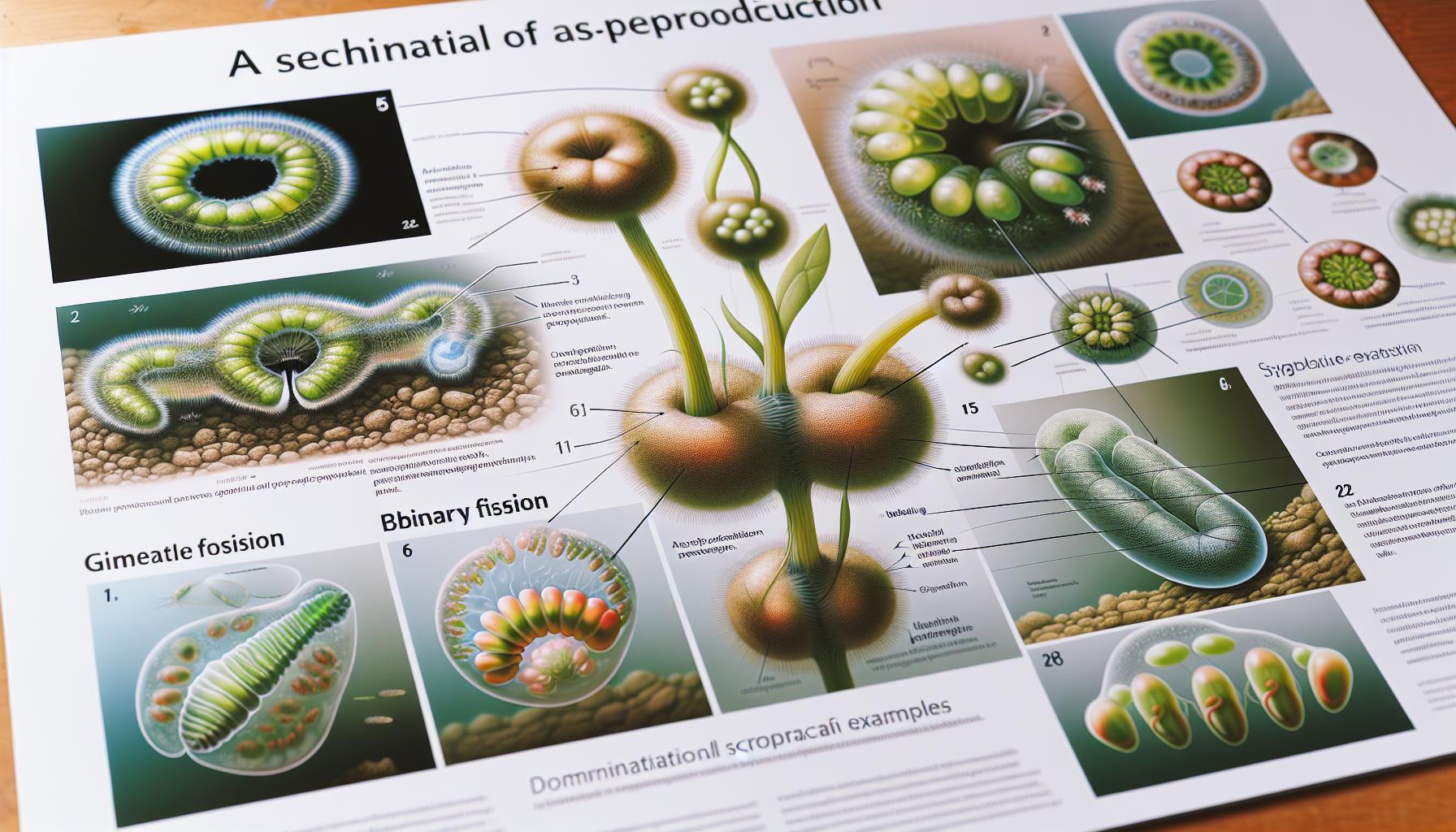
The Role of Sexual Reproduction in Variability
Despite the speed and efficiency of asexual reproduction, it is sexual reproduction that plays a fundamental role in enhancing genetic variability. This process allows for the exchange and recombination of genetic material, resulting in offspring that possess a unique combination of traits inherited from both parents. This genetic shuffling is crucial for the adaptive capacity of a population, enabling organisms to better respond to environmental challenges and evolutionary pressures.
One significant mechanism that underpins sexual reproduction is meiosis, a specialized form of cell division that reduces the chromosome number by half, creating gametes (sperm and eggs). During meiosis, processes such as crossing over-where homologous chromosomes exchange segments-generate new allele combinations. This variability increases the genetic diversity within a population, providing a wealth of traits upon which natural selection can act. For example, in flowering plants, the variation in color, shape, and size of flowers can influence pollinator attraction, enhancing reproductive success.
Another important aspect of sexual reproduction is its role in fostering population resilience. Diverse genetic traits mean that even if a disease or environmental change adversely affects some individuals, others may possess the necessary adaptations to survive and thrive. For instance, studies have shown that sexually reproducing populations of fish are often more resistant to pathogens compared to their asexual counterparts, which may lack such variability and, consequently, be more susceptible to decline.
Moreover, the ecological implications of genetic diversity through sexual reproduction extend beyond individual species. Ecosystems rich in diverse populations are often more stable and productive, as they can better withstand disturbances, adapt to changes, and support a wide array of life forms. This highlights not only the inherent value of sexual reproduction in generating variation but also its essential role in sustaining life on Earth.
In summary, while asexual reproduction offers certain efficiencies, it is sexual reproduction that stands out as a vital process for enhancing genetic variability. This variability is essential not only for individual species’ survival but also for maintaining resilient ecosystems capable of adapting to an ever-changing world.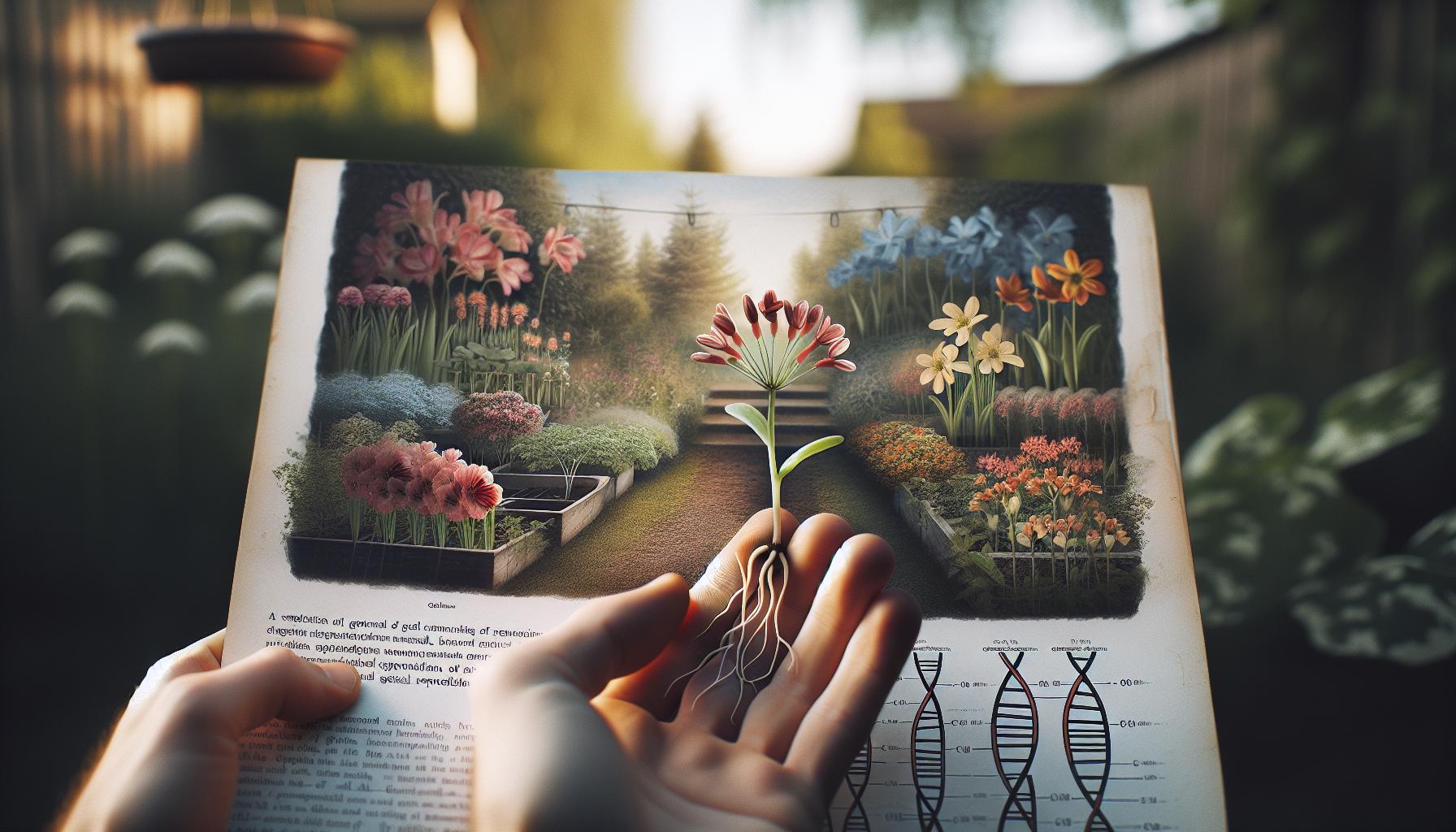
How Genetic Drift Influences Variation
Genetic drift plays a crucial role in shaping the genetic variation within populations, often acting in ways that may surprise many. Unlike natural selection, which favors traits that improve survival and reproduction, genetic drift occurs randomly and can significantly alter allele frequencies over time, particularly in small populations. This randomness means that certain traits can become more or less common purely by chance, leading to distinct genetic characteristics within different groups of organisms, regardless of their adaptive value.
One vivid example of genetic drift’s impact can be seen in the “founder effect.” When a small group of individuals breaks off from a larger population to establish a new one, they carry only a subset of the genetic diversity of the original population. This limited gene pool can lead to traits that are disproportionately represented in the new population. For instance, if a few individuals with a particular color mutation colonize a new island, that trait could become prevalent in the new population even if it was rare in the original group.
Effects of Bottlenecks
Another important scenario illustrating genetic drift is the “bottleneck effect,” which occurs when a population undergoes a significant reduction in size due to environmental events, such as natural disasters or human activities. The individuals that survive may not represent the genetic diversity of the original population. This can lead to decreased genetic variability and increased vulnerability to diseases or environmental changes. A compelling case is the Northern elephant seal, which was hunted to near extinction, creating a bottleneck. While the population has since rebounded, it carries a significantly reduced genetic diversity, making it susceptible to future challenges.
Understanding the implications of genetic drift extends beyond academic curiosity; it informs conservation strategies. Conserving larger populations can mitigate genetic drift, thus preserving genetic diversity. In practice, conservationists often prioritize maintaining corridors between habitats to allow for gene flow, which promotes genetic mixing and reduces the detrimental effects of drift.
In summary, genetic drift is a potent mechanism that influences variation in populations through random chance. While it can reduce genetic diversity and lead to the prevalence of certain traits, understanding its role sufficiently allows us to appreciate both the complexity of evolution and the importance of maintaining genetic diversity for the resilience of species.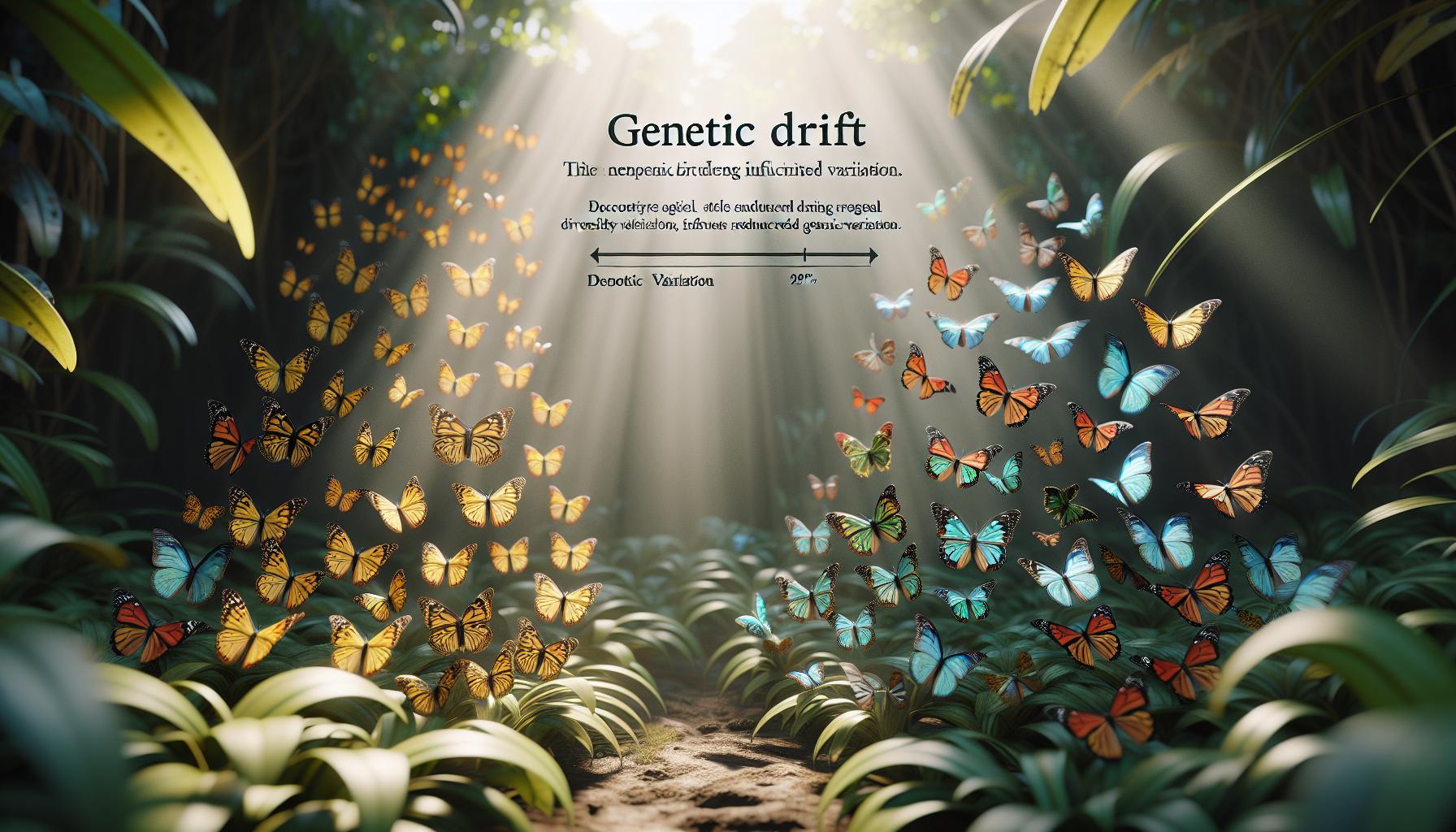
Importance of Mutation in Genetic Diversity
Mutations are the raw ingredients of evolution, serving as the essential source of genetic diversity in populations. They occur at various levels, from small changes in a single DNA sequence to significant chromosomal alterations, and can arise spontaneously or as a result of environmental factors. This genetic variability is crucial as it provides a population with the adaptability needed to survive and thrive in changing environments. For instance, bacteria can quickly develop resistance to antibiotics through mutation, a phenomenon that showcases how vital these changes are for species survival in the face of selective pressures.
Furthermore, the impact of mutations extends beyond mere survival; they can also lead to the emergence of new traits that can significantly affect reproductive success. Consider the example of peppered moths, where a mutation allowed some individuals to have darker coloration, providing better camouflage against predators in polluted environments. This mutation not only aided in survival but also influenced reproductive dynamics within the population, as these moths had greater success in evading predators, thereby passing on their advantageous traits to future generations.
The intergenerational importance of mutation highlights its role in both asexual and sexual reproduction. In asexual organisms, such as bacteria, mutations provide the only source of variation, allowing the population to adapt without the complexities of sexual reproduction. In contrast, in sexually reproducing organisms, mutation works alongside recombination to create a rich tapestry of genetic variation, enhancing the potential for evolutionary change.
Ultimately, understanding the emphasizes the need for preserving genetic resources. As we face global challenges such as climate change and habitat destruction, safeguarding biodiversity is essential, not just for the species themselves, but for the critical mutations that will fuel future adaptation and evolutionary processes in the natural world.
Role of Meiosis in Genetic Variation
The process of meiosis is fundamental to the generation of genetic diversity in sexually reproducing organisms. It is during this intricate cellular division that genetic material is mixed and reassorted, leading to unique combinations of DNA in gametes. This reshuffling of genetic information is crucial for evolution and adaptation, as it ensures that offspring are not mere copies of their parents but rather unique individuals with varying traits.
Meiosis consists of two sequential divisions-meiosis I and meiosis II-each with its own unique mechanisms. During meiosis I, homologous chromosomes undergo crossing over, a process where sections of DNA are exchanged between paired chromosomes. This exchange creates new allele combinations, increasing the genetic variability among gametes. Following this, the independent assortment of chromosomes further enhances variation, as the random distribution of maternal and paternal chromosomes results in gametes with different genetic profiles.
In addition to providing genetic variety, meiosis plays a significant role in the balancing act of maintaining chromosome numbers across generations. When gametes fuse during fertilization, the diploid state is restored, conserving the species’ chromosome number while simultaneously introducing new genetic combinations. This mechanism is essential for the resilience of populations, allowing them to adapt to environmental changes and pressures over time.
Ultimately, the intricate processes involved in meiosis not only facilitate genetic variation but also contribute to the overall biodiversity essential for thriving ecosystems. By understanding meiosis and its role in genetics, we appreciate the underlying complexity of reproduction and the importance of maintaining genetic health within populations. This knowledge can also inspire efforts in conservation and breeding programs aimed at preserving genetic diversity in endangered species and cultivated plants.
Environmental Factors and Their Impact on Reproduction
Environmental conditions significantly shape reproductive strategies and outcomes across species, influencing not only the timing and frequency of reproduction but also the type of reproduction utilized-be it asexual or sexual. In many ecosystems, changes in external conditions such as temperature, availability of resources, and social interactions can determine whether organisms opt for one form of reproduction over another. For instance, specific aquatic organisms may switch to sexual reproduction during periods of environmental stress, such as increasing temperatures or reduced food supply, to enhance genetic diversity and improve their chances of survival.
One critical aspect to consider is how environmental factors can directly affect the health and viability of gametes (sperm and eggs). Pollution, for example, has been shown to impact the reproductive health of various species, leading to abnormalities in sperm motility or egg quality. These effects can result in lower fertilization rates and reduced genetic diversity among offspring. Moreover, climatic changes can alter breeding seasons, synchronization among mating partners, and the availability of suitable habitats for offspring. Such shifts can disrupt established reproductive patterns and potentially lead to population declines.
In the realm of gene expression, environmental triggers can induce mutations that may enhance genetic variation. This interplay is vital for natural selection, as it may produce individuals with advantageous traits better suited to changing habitats. For example, plants often alter their reproductive patterns in response to climate shifts, which may include changing flowering times to optimize pollinator interactions. These adaptations play a crucial role in maintaining biodiversity, ultimately ensuring that populations can withstand environmental fluctuations.
It’s also important to consider the implications of environmental influences on reproductive strategies from a conservation perspective. Protecting and restoring habitats can lead to more stable environmental conditions, facilitating successful reproduction. Conservation efforts can be bolstered by understanding how specific environmental factors impact reproductive mechanisms and genetic diversity. By prioritizing habitat preservation, we can support the resilience of species facing the pressures of climate change and habitat loss, thereby enhancing their ability to adapt and thrive in a dynamic world.
Comparative Analysis: Asexual vs. Sexual Reproduction
Reproduction is a fascinating process that can occur in two distinct forms: asexual and sexual. Each type brings its own set of mechanisms and impacts on genetic variation, influencing how species evolve and adapt over time. While sexual reproduction is often celebrated for its potential to create genetic diversity through the combination of alleles, asexual reproduction boasts efficiency and stability, offering a different strategy for survival in changing environments.
In asexual reproduction, organisms can clone themselves, producing genetically identical offspring without the need for a mate. This strategy is particularly advantageous in stable environments where conditions do not fluctuate dramatically. For instance, many plants and bacteria rely on asexual reproduction, such as budding or binary fission, to rapidly increase their numbers. However, this method can limit genetic diversity, making populations susceptible to diseases or environmental changes that could wipe them out because all individuals are genetically identical.
On the other hand, sexual reproduction involves the fusion of gametes from two parents, resulting in offspring that carry genetic material from both. This mixing of genes is crucial for fostering variation, which acts as a buffer against various threats, including disease and changing climates. Sexual reproduction typically leads to offspring that are genetically diverse, increasing their chances of survival. For example, many species of fish and mammals have reproductive strategies that maximize genetic exchange, such as elaborate mating rituals or seasonal breeding, enhancing the genetic pool and, consequently, the adaptability of future generations.
In summary, while asexual reproduction may offer advantages in consistency and speed, sexual reproduction flourishes in promoting diversity and resilience. Both forms are essential in the framework of biodiversity, shaping how species respond to environmental pressures and ensuring their legacy continues. Understanding these reproductive strategies not only aids in appreciating the natural world but also informs conservation efforts aimed at maintaining the genetic health of various species.
Case Studies: Genetic Variation in Different Species
Genetic variation is a crucial aspect of evolution, significantly influenced by how different species reproduce. Case studies from various organisms illustrate the diverse ways in which sexual and asexual reproduction contribute to genetic diversity, shaping the survival and adaptability of each species in their environments.
One compelling example is the garter snake (Thamnophis sirtalis), which showcases both asexual and sexual reproduction. In populations where males and females are abundant, sexual reproduction leads to hybrid vigor, where offspring exhibit increased fitness due to the mixing of genetic material. However, in isolated populations where mating partners are scarce, females can reproduce through parthenogenesis, a form of asexual reproduction. This ability allows them to produce offspring that are clones of themselves, providing a quick method of population growth, even though the resulting genetic homogeneity might make the population vulnerable to disease and environmental changes.
Similarly, the water flea (Daphnia magna) provides a fascinating insight into how environmental conditions dictate reproductive strategies. Under favorable conditions, Daphnia reproduce sexually, producing genetically diverse offspring that enhance survival chances in fluctuating environments. Conversely, in harsh conditions, they switch to parthenogenetic reproduction, quickly increasing numbers to exploit transient resources. This adaptability in reproductive strategies highlights the importance of both methods in maintaining genetic variation in response to ecological pressures.
Another pivotal case is observed in Darwin’s finches in the Galápagos Islands. These birds primarily reproduce sexually, resulting in significant genetic diversity among the populations. The variation in beak size and shape-a direct response to the availability of different food sources-is a testament to the advantages of sexual reproduction. The mixing of alleles allows for traits that better suit changing environments, ensuring the survival of species as environmental pressures shift.
In contrast, studies on certain species of bacteria, such as E. coli, illustrate the efficiency of asexual reproduction. Bacteria primarily reproduce via binary fission, resulting in genetically identical offspring. While asexual reproduction allows for rapid population increase, it limits genetic diversity. This can lead to vulnerabilities; however, bacteria can exchange genetic material through horizontal gene transfer, enabling some level of adaptation even without sexual reproduction.
These case studies reveal that while sexual reproduction tends to foster greater genetic diversity-crucial for adaptation and survival-asexual reproduction offers immediate advantages in stability and efficiency under certain conditions. Understanding these mechanisms not only enriches our knowledge of biodiversity but also informs conservation efforts aimed at preserving genetic health across various ecosystems.
Future Trends in Genetic Research and Reproductive Biology
As the field of genetic research continues to evolve, exciting new trends are emerging that hold promise for enhancing our understanding of reproduction and genetic variation. One of the most significant advancements is the integration of genomic technologies in reproductive biology. High-throughput sequencing and CRISPR gene-editing techniques are enabling scientists to explore the complexities of genetic material with unprecedented precision. These tools allow researchers to investigate how specific genes influence reproductive strategies and genetic diversity, potentially leading to breakthroughs in fertility treatments and conservation efforts.
Furthermore, there is a growing interest in epigenetics, the study of heritable changes in gene expression that do not involve changes to the underlying DNA sequence. Understanding epigenetic mechanisms may shed light on how environmental factors can influence reproductive success and contribute to genetic variation across generations. For instance, researchers are exploring how stress, nutrition, and exposure to pollutants might alter gene expression patterns related to reproduction and resilience in offspring, leading to greater adaptability in changing environments.
Another promising trend is the increasing focus on eco-evolutionary dynamics, which examines how evolutionary processes are influenced by ecological interactions and environmental changes. By studying species in their natural habitats, scientists can better understand how different reproductive strategies-both sexual and asexual-affect genetic diversity in response to ecological pressures. This research is particularly relevant as we face global challenges like climate change, where understanding the resilience of species could guide conservation strategies.
Finally, public engagement and ethical considerations are becoming integral to genetic research. As advancements in reproductive technologies raise questions about genetic manipulation and biodiversity, fostering a public dialogue on these issues is crucial. Researchers are working to communicate their findings clearly, highlighting the implications of their work for society while considering the moral and ethical dimensions of genetic research. This engagement ensures that advancements not only push the boundaries of science but also reflect societal values and contribute to broader discussions about the future of reproduction and genetic variation.
Through these trends, the intersection of technology, ecology, and ethics is poised to transform our approach to understanding reproduction, ultimately enriching our knowledge about genetic variation and its vital role in the tapestry of life.
Ethical Considerations in Genetic Manipulation
The rapid advancements in genetic manipulation, particularly through techniques like CRISPR, have opened new possibilities in the realm of reproduction, but they also come with profound ethical implications. As we begin to harness these powerful tools to influence genetic variation, it’s vital to consider not only the scientific possibilities but also the moral and societal responsibilities that accompany these technologies.
One key ethical concern revolves around the potential for creating “designer babies.” The ability to select for specific traits raises serious questions about the implications of such choices. Who gets to decide which traits are desirable? This practice could lead to a society where genetic advantages are closely tied to socioeconomic status, exacerbating existing inequalities. It’s crucial to engage in public dialogue that involves diverse perspectives, including those from communities that may be disproportionately impacted by these technologies.
Additionally, ethical considerations extend beyond human applications; they also encompass the manipulation of genetic material in animals and plants. Interfering with natural selections and ecological balances could have unintended consequences, not just for the species involved but for entire ecosystems. Understanding these consequences requires a commitment to cautious and responsible scientific exploration that always prioritizes the health of our planet and its biodiversity.
Moreover, the question of consent becomes complex in the context of genetic manipulation. While adults can make informed decisions about their genetic choices, the implications for future generations are less straightforward. Children conceived through these methods will live with choices made by their parents and society before they were born. This highlights the need for comprehensive ethical frameworks that address consent and the rights of future individuals, respecting their autonomy while considering the evolving nature of genetic science.
In navigating these ethical landscapes, we must approach genetic manipulation with a mindset rooted in empathy and foresight. Enhancing our understanding of reproduction through genetic research should not only aim for scientific progress but also strive for a societal framework that values equity, ecological balance, and the inherent dignity of all living beings. Engaging in open conversations and developing thoughtful policies will be essential as we move forward in this brave new world of genetic manipulation and its impact on genetic variation.
Practical Implications of Genetic Variation in Reproduction
The interplay of genetic variation in reproduction profoundly impacts our understanding of life and its diversity. Variability is not merely a biological curiosity; it encompasses practical implications, particularly in reproductive health and family planning. Adapting to the nuances of genetic variation can lead to informed decisions regarding fertility treatments, genetic counseling, and health risks associated with hereditary conditions.
Understanding Genetic Variations and Fertility Treatments
For individuals and couples navigating the path of reproduction, awareness of genetic variation can shape their approaches to treatment and conception. In sexual reproduction, the combination of genetic material from two parents creates unique genetic profiles, enhancing diversity. This knowledge can be pivotal for those considering assisted reproductive technologies (ART), such as in vitro fertilization (IVF). It is essential to recognize that genetic diversity can result in different outcomes, such as higher success rates in specific treatment cycles based on genetic compatibility.
- Genetic Counseling: Informed genetic counseling can empower prospective parents. It helps identify potential genetic disorders, guiding couples towards options like preimplantation genetic testing (PGT) during IVF to select embryos free from specific genetic conditions.
- Health Maintenance: Understanding one’s genetic background encourages proactive health management, focusing on prenatal health strategies to mitigate risks associated with hereditary diseases.
- Diverse Family Structures: Embracing various family-building methods, including adoption and sperm or egg donation, reflects on the importance of genetic variation. Selecting donors with certain genetic traits may enhance the chances of specific health outcomes, underscoring the emotional and ethical weight of these decisions.
Addressing the Emotional Spectrum
The journey of understanding genetic variation is layered with emotions, embracing both hope and uncertainty. Many individuals face the grief of infertility or the fear of passing on genetic disorders. Here, empathy plays a crucial role. A supportive environment, whether through family, friends, or healthcare professionals, helps those affected navigate these challenges. It’s important to celebrate small victories, whether that involves a successful treatment cycle or the decision to explore adoption.
Recognizing how genetic variation informs reproductive choices ensures that individuals and couples are not only equipped with medical knowledge but are also supported emotionally. The fusion of understanding genetics with compassionate care will ultimately foster a more positive experience in the journey of reproduction.
Navigating this complex landscape requires open dialogues about the effects of genetic variation on health, encouraging transparency about costs, success rates, and potential obstacles in treatments. For anyone embarking on this journey, tapping into genetic resources and counseling will illuminate the path forward with both clarity and compassion.
Frequently asked questions
Q: What type of reproduction promotes genetic variation?
A: Sexual reproduction is the primary type that promotes genetic variation. It combines genetic material from two parents, resulting in offspring with diverse traits, which can enhance adaptability and survival.
Q: Why is genetic variation important in reproduction?
A: Genetic variation is crucial because it increases a population’s ability to adapt to changing environments. This adaptability ensures long-term survival, allowing species to thrive despite challenges like disease or climate change.
Q: How does asexual reproduction affect genetic diversity?
A: Asexual reproduction typically results in clones, limiting genetic diversity within a population. While it allows rapid population growth, it doesn’t foster the variation necessary for adapting to environmental changes.
Q: What role does mutation play in genetic diversity?
A: Mutation introduces new genetic variations by altering DNA sequences. These changes can lead to new traits in offspring, contributing significantly to a population’s genetic diversity and aiding in adaptation over generations.
Q: How does meiosis contribute to genetic variation?
A: Meiosis is essential for sexual reproduction as it reduces the chromosome number by half, creating gametes with unique combinations of genes. This process enhances genetic diversity in offspring through independent assortment and genetic recombination.
Q: Can environmental factors influence genetic variation?
A: Yes, environmental factors such as climate, food availability, and habitat can drive natural selection, favoring certain genetic traits. This dynamic interaction can create a shift in genetic variation over time within a population.
Q: How do genetic drift and reproduction interact in evolution?
A: Genetic drift affects allele frequencies in a population and can lead to the loss of genetic diversity, especially in small populations. Combining this with reproduction can enhance or diminish variation, influencing evolutionary outcomes.
Q: What is the difference between sexual and asexual reproduction regarding genetic variation?
A: Sexual reproduction fosters genetic variation by mixing genes from two parents, while asexual reproduction produces identical copies, resulting in little to no genetic diversity. This fundamental difference affects how populations evolve and adapt.
For more insights into the mechanisms of reproduction and their implications on genetic variation, explore the relevant sections in the main article.
In Conclusion
Understanding the type of reproduction responsible for genetic variation is crucial for appreciating how life evolves and adapts. As we’ve explored, sexual reproduction plays a significant role in enhancing diversity in species. If you’re intrigued by the intricacies of genetics and reproduction, we invite you to dive deeper into our related articles, such as “The Role of Mutations in Evolution” and “Comparative Analysis of Asexual and Sexual Reproduction.”
Don’t miss out on the latest updates-subscribe to our newsletter for valuable insights into reproductive health and genetic discoveries. Have questions or concerns? Our expert team is here to support you on your journey. Join the conversation by sharing your thoughts below and explore how understanding genetic variation can empower your knowledge of life sciences. Together, let’s celebrate the wonders of reproduction and its impact on life itself!
Get our latest guides, news, and insights highlighted in your Google Search & AI Overviews.