Did you know that some organisms can reproduce both sexually and asexually? This fascinating adaptability allows them to thrive in varying environments and circumstances. Understanding why certain species employ both types of reproduction can yield insights into their evolutionary advantages and resilience. As we explore this topic, consider how this dual approach not only impacts biodiversity but also has implications for conservation efforts and agricultural practices. By diving deeper into the nuances of both reproductive strategies, we can appreciate the complexity of life forms on our planet and their remarkable ability to ensure survival amidst changing conditions. Join us in uncovering the reasons behind this intriguing phenomenon and its significance in the natural world.
The Role of Asexual Reproduction in the Natural World
In the intricate tapestry of life, asexual reproduction plays a pivotal role, enabling various organisms to thrive in diverse environments. Unlike sexual reproduction, which necessitates the involvement of two parents, asexual reproduction allows a single organism to produce offspring that are genetically identical to itself, ensuring continuity of traits that may be well-suited to a specific habitat. This mode of reproduction is especially advantageous in stable environments where adaptation to changing conditions is less critical.
A prime example of asexual reproduction can be observed in bacteria, which predominantly utilize binary fission. In this process, the bacterial cell replicates its DNA and divides into two identical daughter cells, each inheriting the same genetic material. This method allows for rapid population growth, particularly in resource-rich conditions. Similarly, plants often reproduce asexually through methods such as vegetative reproduction, where new plants grow from runners, tubers, or bulbs, ensuring that successful plant varieties can quickly spread and dominate available spaces.
Despite its advantages, asexual reproduction can also lead to challenges, particularly in terms of genetic diversity. While asexual reproduction allows for rapid proliferation, it limits genetic variation, which can be detrimental in a changing environment. Organisms that also engage in sexual reproduction can adapt more readily to new conditions due to the mixing of genetic material, resulting in a more diverse gene pool. Therefore, many species employ both reproduction strategies, maximizing their chances of survival through the benefits of genetic variation while maintaining the rapid population benefits of asexual reproduction.
This dual strategy not only enhances resilience to environmental changes but also demonstrates the remarkable adaptability of life forms. In many ecosystems, the balance between asexual and sexual reproduction contributes to overall biodiversity, influencing interactions among species and the health of their environments. Thus, understanding the role of asexual reproduction sheds light on the complexities of ecological dynamics and evolutionary strategies across different kingdoms of life.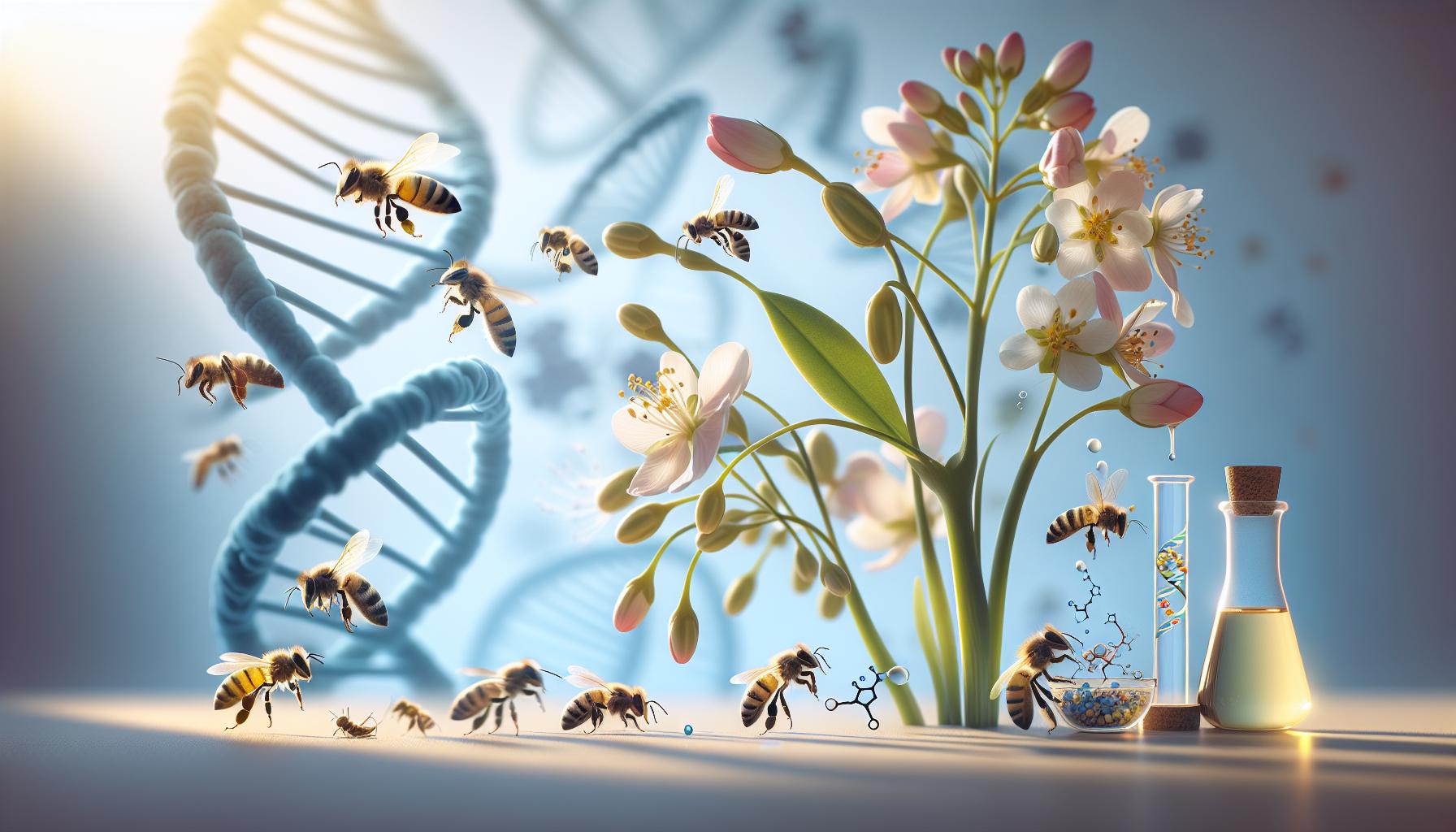
Exploring Sexual Reproduction: Advantages and Drawbacks
Sexual reproduction is a fascinating and complex process that offers a unique set of advantages and drawbacks for organisms that engage in it. One of the most notable benefits of sexual reproduction is the generation of genetic diversity. When two organisms contribute genetic material, the resulting offspring exhibit unique combinations of traits. This genetic variability is crucial for adaptation-species with higher genetic diversity are often better equipped to thrive in changing environments or to withstand diseases. For instance, many plants and animals have evolved reproductive strategies that maximize genetic mixing, enhancing their chances of survival.
However, sexual reproduction is not without its challenges. The process can be resource-intensive, requiring significant energy and time to locate mates and engage in courtship behaviors. Additionally, the development of offspring often involves complications; parental investment is needed throughout the gestation, care, and protection stages. The risks associated with sexual reproduction can discourage organisms in unstable environments, where speedy population increase is prioritized over genetic variation.
Despite these drawbacks, many organisms employ a combination of sexual and asexual reproduction strategies, capitalizing on the strengths of both methods. For example, certain lizards and trematodes can reproduce asexually during favorable periods but switch to sexual reproduction when environmental conditions become harsh. This dual approach allows them to rapidly increase their population size when conditions are optimal while maintaining genetic diversity during adversities.
Understanding the balance between the advantages and drawbacks of sexual reproduction can provide insights into why organisms choose to utilize both strategies. By examining these processes within different ecosystems, we begin to see how reproductive strategies are critical not just to individual species, but to the ecosystems they inhabit-a reminder of the incredible adaptability and resilience of life on Earth.
Why Some Organisms Choose Both Reproductive Strategies
Organisms that adopt both sexual and asexual reproduction strategies are fascinating examples of life’s adaptability. The choice between reproducing sexually or asexually often hinges on environmental conditions and resource availability. In stable, favorable environments, asexual reproduction is appealing due to its efficiency: it allows organisms to rapidly proliferate without the need for a mate. This method ensures a quick boost in population numbers when conditions are ideal, reducing the competition for resources.
However, when faced with adversities-such as changing climates, limited resources, or increased predation-many organisms switch to sexual reproduction. This shift facilitates genetic diversity among the offspring, which enhances survival rates in challenging environments. For instance, species like certain reptiles can reproduce asexually when food is plentiful but will opt for sexual reproduction in times of stress. This adaptability serves as a survival mechanism, allowing organisms to maintain a flexible reproductive strategy that enables them to thrive across varying conditions.
Moreover, by utilizing both strategies, these organisms can also balance the benefits of rapid population growth with the need for diversity. In this way, they can enjoy the best of both worlds-quickly filling available niches while adapting to potential changes in their ecosystem. This dual reproductive mode is not merely a strategy for survival but a testament to the evolutionary ingenuity that allows life to persist under diverse conditions. As we explore more examples of such organisms, the intricate balance they maintain between reproduction methods reveals profound insights into the resilience and adaptability of life on Earth.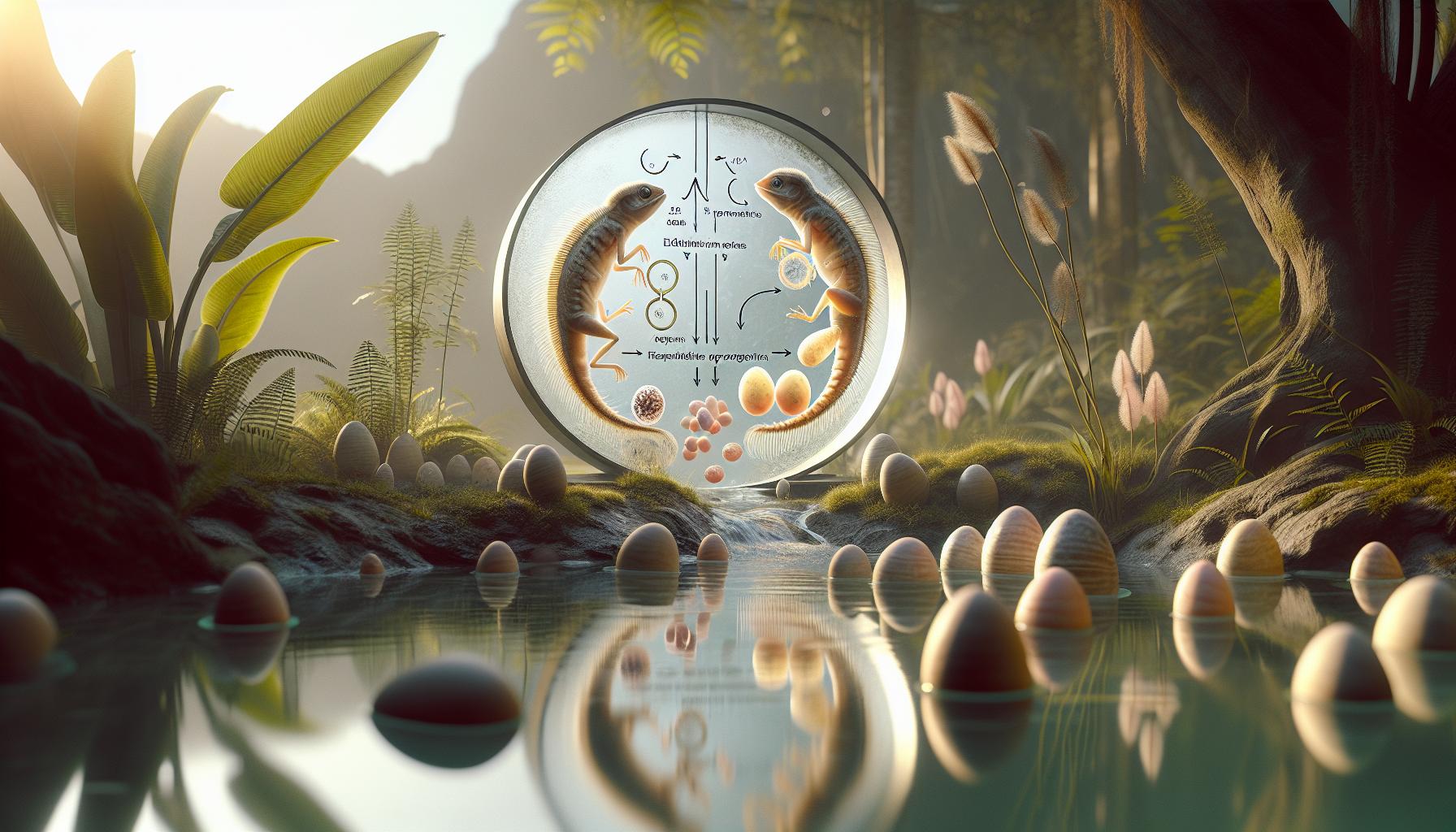
The Evolutionary Benefits of Dual Reproductive Modes
Organisms that employ both asexual and sexual reproduction showcase a remarkable evolutionary strategy that maximizes their chances of survival in varying environments. By utilizing these dual reproductive modes, these species can effectively adapt to changes in their surroundings while ensuring genetic diversity and resilience within their populations.
One notable evolutionary advantage of adopting both reproductive strategies is the ability to respond promptly to environmental stability or change. In a stable environment rich in resources, asexual reproduction allows for rapid population growth, enabling organisms to quickly exploit available niches. This efficiency is particularly evident in microorganisms and certain plants, which can proliferate rapidly without the need for mates. Conversely, sexual reproduction introduces genetic variation among offspring, which is crucial in fluctuating or challenging environments. For example, when faced with disease outbreaks or shifting climates, genetically diverse populations are better equipped to survive, as some individuals may possess traits that enable them to thrive even in adverse conditions.
Moreover, the interplay between these reproductive strategies can lead to innovative adaptations that further enhance survival. For instance, certain species of lizards can switch between sexual and asexual reproduction depending on resource availability and environmental pressures. This flexibility not only maximizes reproductive success but also allows these organisms to maintain a robust gene pool over time. By embracing both reproductive modes, they can balance the rapid population increase during favorable conditions with the genetic diversity needed during times of stress, ultimately fostering long-term resilience.
Through this dynamic approach, organisms exemplify the principle of evolutionary ingenuity, highlighting how adaptability is key to thriving in a diverse array of ecosystems. As researchers continue to study these fascinating examples, we gain deeper insights into the complex interactions between reproduction, environment, and survival, paving the way for further exploration of evolutionary biology.
Case Studies: Organisms That Utilize Both Types
Certain organisms demonstrate a fascinating ability to utilize both asexual and sexual reproduction, showcasing their adaptability in diverse environments. A prime example of this dual strategy is the African water frog (Xenopus laevis). This species can reproduce both sexually, using traditional mating methods to create diverse offspring, and asexually through parthenogenesis, where females produce viable eggs without fertilization. This allows them to thrive in conditions that may be harsh or variable, ensuring population stability while maximizing genetic diversity.
Another example can be found in some species of jellyfish, such as the moon jellyfish (Aurelia aurita). These jellyfish have life stages that can reproduce asexually via budding, particularly when conditions are favorable, leading to rapid population increases. However, during less favorable conditions, they switch to sexual reproduction, producing planulae that can settle and develop into polyps. This adjustment not only maintains their populations but also facilitates genetic mixing, critical for adapting to changing environmental conditions.
Starfish (Asteroidea) also exhibit this dual mode of reproduction. While many starfish can reproduce asexually through regeneration-where a part of the organism can grow into a new individual-when environmental conditions are stable, they often engage in sexual reproduction. The ability to switch between these reproductive forms allows starfish to take advantage of available resources effectively and ensure long-term survival.
The ability of these organisms to switch between reproductive strategies highlights the fundamental role of environmental factors-such as resource availability and habitat stability-in guiding their reproductive choices. By understanding these case studies, we gain valuable insights into the evolutionary mechanisms that enable species to survive and thrive in a dynamic world, emphasizing the importance of adaptability in nature.
Environmental Factors Influencing Reproductive Choices
In the intricate dance of life, environmental factors play a pivotal role in determining reproductive choices among organisms. The ability to switch between asexual and sexual reproduction is not merely a reproductive quirk but a sophisticated survival strategy, significantly impacted by the surrounding ecosystem. For instance, organisms often assess resource availability, population density, and environmental stability before deciding their mode of reproduction. When conditions are favorable, such as abundant resources, many species may opt for asexual reproduction, allowing for faster population increases without the need for mates. Conversely, under stressful or unstable conditions, sexual reproduction becomes advantageous as it fosters genetic diversity, which can enhance adaptability and resilience against fluctuating environments.
Temperature and seasonal changes can also dictate reproductive strategies. In temperate climates, organisms like certain amphibians time their mating to coincide with favorable conditions, such as warmer weather and plentiful food sources. During harsh seasons, however, these same species may rely on asexual methods to ensure persistence in their populations. The moon jellyfish, for example, reproduces asexually when conditions are stable, yet shifts to sexual reproduction when faced with environmental stressors, promoting genetic variation necessary for survival in a changing habitat.
In marine environments, salinity and oxygen levels can heavily influence reproductive decisions as well. Species such as sea anemones may switch methods based on water quality; if conditions are optimal, they may reproduce asexually, but if conditions decline, they may engage in sexual reproduction to generate a diverse offspring pool capable of adapting to new challenges. Adaptive strategies like these emphasize how deeply interconnected an organism’s survival is with the health of its ecological niche.
Understanding these dynamics provides critical insights into evolutionary biology and ecology. It highlights the importance of maintaining healthy ecosystems, where species can thrive and adapt. Each environmental factor-be it resource availability, climate change, or habitat stability-serves as a cornerstone for reproductive success, making it essential for continued research and conservation efforts to protect biodiversity across the globe.
Genetic Diversity: The Importance of Reproduction Methods
In the intricate web of life, the interplay between different reproductive strategies significantly shapes genetic diversity within ecosystems. When organisms utilize both asexual and sexual reproduction, they unlock a powerful mechanism to navigate environmental challenges, enhance adaptability, and ensure the long-term survival of their species. This dual approach is particularly evident in fluctuating environmental conditions where responsiveness can mean the difference between thriving and extinction.
Asexual reproduction offers a rapid means to increase population size, as organisms can produce clones of themselves without the need for a mate. This can be advantageous in stable environments where resources are plentiful. However, relying solely on this method can lead to a lack of genetic variation, making populations more susceptible to diseases and environmental shifts. Conversely, sexual reproduction introduces genetic diversity by combining the DNA of two parents, resulting in offspring that possess unique combinations of traits. This diversity enhances a population’s resilience, allowing some individuals to thrive even as conditions change. For example, when faced with a hostile environment or a new disease, those with advantageous traits-potentially arising from sexual reproduction-are more likely to survive and reproduce, passing on their beneficial genes.
Consider the case of the water flea, Daphnia. Under favorable conditions, these organisms reproduce rapidly through asexual means, producing numerous offspring. However, when faced with environmental stressors like overcrowding or dwindling resources, Daphnia switches to sexual reproduction. This strategy not only helps maintain population size but also boosts genetic diversity, offering a greater chance of survival in changing habitats. By employing both reproductive methods, such organisms can capitalize on the benefits of each strategy while mitigating their drawbacks.
Understanding these complex interactions emphasizes the importance of preserving diverse ecosystems that support myriad reproductive strategies. As climate change and habitat destruction threaten the delicate balance of our world, recognizing the role of genetic diversity in adaptation becomes crucial. Ensuring healthy populations through varied reproductive methods not only safeguards individual species but also enhances ecosystem resiliency, maintaining the intricate tapestry of life on Earth.
Comparative Analysis: Asexual vs. Sexual Reproduction
In the fascinating realm of reproduction, organisms exhibit two primary strategies: asexual and sexual reproduction. Each method carries its own distinct advantages and challenges, shaping not only the lives of individual species but also the dynamics of ecosystems. Understanding these differences highlights why some organisms opt to employ both strategies, particularly when faced with the complexities of survival in varying environments.
Asexual reproduction is characterized by the creation of offspring from a single parent, resulting in genetically identical clones. This strategy allows for rapid population growth under stable conditions, as organisms can reproduce without the need for mates, making it efficient. However, the lack of genetic diversity inherent in asexual reproduction can be a double-edged sword; it leaves populations vulnerable to sudden changes in their environment or the emergence of diseases. For instance, in bacterial populations, the rapid division through asexual means can lead to swift outbreaks. Yet, if a particular strain is susceptible to an antibiotic, it may risk the entire population’s survival.
In contrast, sexual reproduction involves the combination of genetic material from two parents, leading to offspring with unique genetic combinations. This genetic diversity is a powerful asset in adapting to changing conditions and can enhance resilience against environmental stressors. For example, many flowering plants employ both reproductive strategies; they may reproduce asexually in stable environments through methods like budding or runners, but switch to sexual reproduction when conditions become unfavorable, such as during droughts or shifts in temperature. This flexibility can ensure their survival and enable them to thrive in diverse habitats.
Many organisms, therefore, utilize a dual approach to reproduction, leveraging the benefits of both methods based on environmental cues. This allows for a strategic response to ecological challenges-growing quickly through asexual means when conditions are right, while also ensuring genetic diversity through sexual reproduction during times of stress. Understanding these reproductive strategies not only illuminates the complexities of evolutionary biology but also emphasizes the importance of conserving the diverse ecosystems where these processes unfold, as they play a crucial role in the continuity of life on Earth.
Impact of Reproductive Methods on Species Survival
In the intricate dance of survival within ecosystems, the reproductive strategies of organisms significantly shape their fate. Asexual reproduction permits organisms to quickly inflate their numbers, providing a robust response to favorable environmental conditions. Take the humble dandelion as an example: through a process called apomixis, it can produce seeds without fertilization. This means that a single successful plant can rapidly populate an area, ensuring its presence across landscapes. However, when faced with fluctuating conditions, absence of genetic diversity can lead to vulnerability; such populations may falter against diseases that exploit their genetic uniformity.
Conversely, the advantages of sexual reproduction, which promotes genetic diversity, become critical in challenging environments. By combining genetic materials from two parents, offspring inherit a mix of traits that may enhance survival capabilities. For instance, consider the staggering variety of traits found in a single population of wildflowers. This genetic mixing enables certain individuals to thrive where others cannot, driving the evolution of species in response to climate change, pests, or habitat destruction. As environments shift, those surviving offspring can carry forward beneficial adaptations, fostering resilience within their species.
Many species cleverly employ both reproductive strategies to optimize their chances of survival. During periods of stability, they may rely on asexual methods for rapid population growth. Yet, when faced with adversities-such as extreme weather events or new pathogens-these organisms can switch gears to sexual reproduction, ensuring that genetic variation exists in their progeny. This dual approach is observed in certain amphibians, plants, and even some fungi, allowing them to thrive across diverse ecosystems. Overall, the capacity to choose how and when to reproduce is not just a survival tactic; it underscores the intricate relationship between reproductive strategies and ecological balance.
In summary, the interplay between asexual and sexual reproduction significantly impacts species survival, enabling organisms to navigate a landscape fraught with uncertainty. Their evolutionary success hinges on this flexibility, emphasizing the importance of maintaining diverse ecosystems that support these varied reproductive strategies. Such resilience is not merely about surviving in the moment but ensuring the continuity and health of life across generations.
Future Research Directions in Reproductive Strategies
As research continues to unfold, the exploration of why some organisms use both asexual and sexual reproduction unveils intriguing insights into the adaptability and resilience of life. One captivating area to investigate is the ecological impact of reproductive strategies on population dynamics. Understanding how environmental factors, such as climate change and habitat loss, influence the balance between these modes can provide critical data for conservation efforts. For instance, studying amphibians that switch between reproductive methods could illuminate how species adjust their reproductive strategies in response to environmental stresses, revealing patterns critical for preserving biodiversity.
Additionally, advances in genetic analysis techniques allow researchers to examine genetic diversity within populations that employ dual reproductive strategies. By assessing the genetic health and adaptability of these organisms, we can better comprehend the implications of reproduction methods on evolution. This research not only aids in understanding the mechanisms behind stress-induced reproductive switching but also sheds light on the evolutionary pathways that promote survival in changing ecosystems. For example, identifying the genetic markers associated with successful offspring in fluctuating environments could lead to better conservation strategies that target the enhancement of genetic diversity.
Moreover, exploring the intersection of reproductive strategies with other biological phenomena, such as symbiosis and competition, presents rich avenues for future study. Investigating how organisms that reproduce both sexually and asexually engage with their surroundings could lead to insights about their roles in ecosystem balance and resilience. Researchers might delve into case studies across various ecosystems that highlight these interactions, informing practices in ecological restoration and sustainable management.
Lastly, applying interdisciplinary approaches-integrating ecology, genetics, and evolutionary biology-could pave the way for innovative research into reproductive strategies. By collaborating across fields, scientists can build a comprehensive understanding, generating actionable insights that not only address theoretical questions but also offer practical solutions to global challenges in biodiversity and ecosystem stability. These efforts will be crucial as we strive to understand and mitigate the impacts of human activity on the intricate web of life.
Understanding Reproductive Behaviors Across Kingdoms
In the vast tapestry of life, organisms have evolved a fascinating array of reproductive strategies, with some choosing to utilize both asexual and sexual reproduction methods. This dual approach not only reflects adaptability but also highlights the complex interplay between genetics and environment. For instance, many species of plants can reproduce asexually through mechanisms like vegetative propagation, allowing them to spread rapidly in favorable conditions. However, in changing environments or under stress, these same plants may switch to sexual reproduction, generating genetic diversity that enhances resilience against diseases and environmental shifts.
Aquatic ecosystems provide compelling examples of this flexibility. Certain fish species, for example, are known to alternate between reproductive methods depending on population density and environmental stability. When resources are abundant and conditions are ideal, they may reproduce asexually, ensuring rapid population increases. Conversely, in times of uncertainty, sexual reproduction can be favored, leading to new genetic combinations that can better adapt to evolving challenges. This reproductive versatility not only aids in immediate survival but can also have long-term evolutionary impacts, shaping populations over generations in response to ecological pressures.
Understanding reproductive behaviors across the biological kingdom illuminates the intricate ways in which life adapts to survive. Insects like aphids exemplify this phenomenon; they often reproduce parthenogenetically, generating a large number of offspring quickly. However, when environmental conditions worsen, they may shift to sexual reproduction to produce eggs that can withstand adverse conditions through dormancy. This adaptability is crucial for their survival and resilience, underpinning the significance of reproductive strategy diversity in the natural world.
By studying such behaviors across various kingdoms-from plant life to invertebrates-scientists can uncover patterns that inform broader ecological theories and conservation strategies. The ability to switch between modes of reproduction serves as a powerful reminder of life’s inherent adaptability, shedding light on how organisms navigate the challenges posed by a constantly changing environment. This understanding is vital not only for preserving species diversity but also for managing ecosystems in the face of global change.
The Role of Reproductive Strategies in Ecosystem Balance
In the intricate web of life, reproductive strategies play a pivotal role in maintaining ecosystem balance. Organisms that employ both asexual and sexual reproduction demonstrate a remarkable adaptability that is essential for ecological stability. This flexibility allows species to respond dynamically to environmental changes, ensuring their survival and the health of their ecosystems. For instance, during periods of resource abundance, many plant species may engage in asexual reproduction through mechanisms like runners or tubers, rapidly expanding their numbers. However, when faced with environmental stressors such as drought or disease, they switch to sexual reproduction to enhance genetic diversity, enabling populations to better withstand adversity.
These dual strategies also serve as a buffer for ecosystems themselves. When certain species thrive through rapid asexual reproduction, they can quickly occupy ecological niches, which might otherwise remain vacant. However, sexual reproduction introduces new genetic combinations that are critical for long-term resilience. For example, in some aquatic environments, fish populations that typically reproduce asexually can shift to sexual reproduction based on water quality and food availability. This responsiveness not only sustains fish populations but also supports predator-prey dynamics and overall ecosystem health.
Moreover, the balance that comes from diverse reproductive strategies can mitigate the impacts of invasive species. When local species can reproduce both sexually and asexually, they maintain stable populations that can outcompete invasive species for resources, thereby preserving biodiversity. Understanding these dynamics is vital for conservation efforts as we face global environmental challenges, from climate change to habitat destruction. By appreciating the significance of varied reproductive methods, we can better devise strategies that protect ecosystems and the myriad life forms within them.
In conclusion, organisms that utilize both asexual and sexual reproduction are not just adapting to their environments; they are actively contributing to the ecological equilibrium. Their ability to switch between reproductive modes fosters resilience and adaptability, underscoring the interconnectedness of life within ecosystems. Conservation strategies must consider these natural processes to ensure that biodiversity thrives amidst the constant fluctuations of the natural world.
Frequently Asked Questions
Q: What are the advantages of using both types of reproduction?
A: Some organisms utilize both asexual and sexual reproduction to maximize their adaptability in varying environments. This dual strategy enables them to quickly reproduce in stable conditions while also creating genetic diversity, which enhances resilience against diseases and environmental changes. For more on the evolutionary benefits, check the section on The Evolutionary Benefits of Dual Reproductive Modes.
Q: How does environmental change influence reproductive strategies?
A: Environmental factors such as climate and food availability significantly impact reproductive strategies. Organisms may switch between asexual and sexual reproduction based on conditions; for example, harsh environments may favor sexual reproduction to enhance genetic diversity. Explore further in Environmental Factors Influencing Reproductive Choices.
Q: Which organisms commonly use both sexual and asexual reproduction?
A: Various organisms, including starfish, hydra, and some plants, demonstrate the use of both reproductive strategies. These organisms adapt their reproduction based on circumstances to ensure survival and propagation. Detailed case studies are discussed in Case Studies: Organisms That Utilize Both Types.
Q: How does genetic diversity benefit organisms that use both reproductive methods?
A: Genetic diversity, resulting from sexual reproduction, provides a broader genetic pool, enhancing survival and adaptability. This variability is crucial for populations facing environmental pressures, ultimately leading to better resilience over time. More information can be found in Genetic Diversity: The Importance of Reproduction Methods.
Q: What role do reproductive strategies play in ecosystem balance?
A: Reproductive strategies are vital to maintaining ecosystem balance. By employing both asexual and sexual methods, organisms can sustain population levels, adapt to changes, and contribute to biodiversity, which supports overall ecosystem health. Learn more in The Role of Reproductive Strategies in Ecosystem Balance.
Q: Why do some organisms prefer asexual reproduction over sexual reproduction?
A: Asexual reproduction allows organisms to rapidly produce offspring without the need for a mate, which is advantageous in stable and favorable environments. This method saves time and resources, ensuring quick population increases when conditions are right. For further insights, refer to The Role of Asexual Reproduction in the Natural World.
Q: How do reproductive methods impact species survival?
A: The choice of reproductive method significantly impacts a species’ survival by influencing genetic variability and population dynamics. A mix of both strategies allows for flexibility and resilience in the face of environmental challenges, as discussed in Impact of Reproductive Methods on Species Survival.
Q: What future research could enhance our understanding of reproductive strategies?
A: Future research could focus on the genetic mechanisms behind reproductive strategies and how climate change influences these choices. Investigating these areas may help predict how species adapt to rapidly changing environments and contribute to conservation efforts. See more in Future Research Directions in Reproductive Strategies.
Final Thoughts
Understanding why some organisms utilize both sexual and asexual reproduction sheds light on nature’s adaptability and evolutionary strategies. By harnessing the benefits of both methods, these organisms can optimize their survival and genetic diversity. If you found this discussion intriguing, consider exploring our related articles on the benefits of sexual reproduction and the fascinating world of asexual reproduction methods.
Don’t miss out on our comprehensive guides that dive deeper into reproductive strategies and their implications for biodiversity-each click will enhance your knowledge and curiosity! Join our community by signing up for our newsletter to stay updated on the latest insights in biology and reproduction. Your journey into the wonders of life continues here; every question you have is valued! Share your thoughts below, and let’s keep the conversation going.
Get our latest guides, news, and insights highlighted in your Google Search & AI Overviews.