As families explore their options for conception, many wonder about the potential to prevent genetic conditions such as Down syndrome through advanced reproductive technologies. In vitro fertilization (IVF) coupled with preimplantation genetic testing (PGT) offers a pathway to screen embryos for chromosomal abnormalities before implantation. This can be especially important for those with a higher risk of passing on genetic conditions.
Understanding the benefits and processes of IVF and PGT can provide hope to individuals and couples navigating the complex emotional landscape of fertility. Many face uncertainty and fear regarding genetic disorders, making knowledge about these options crucial not only for informed decision-making but also for emotional peace. In this article, we will delve into how PGT testing can enhance IVF outcomes, potentially reducing the risk of Down syndrome and helping families achieve their dreams of parenthood while navigating the intricacies of reproductive health. Your journey toward understanding and building the family you desire starts here.
Understanding Down Syndrome and Its Causes
Down syndrome, also known as trisomy 21, occurs when an individual has an extra copy of chromosome 21. This genetic anomaly can lead to varied levels of intellectual and developmental disabilities. Importantly, the risk of having a child with Down syndrome increases with the age of the mother; women over 35 are often at higher risk. Understanding the genetic and environmental factors that contribute to this condition is crucial for prospective parents.
Several causes of Down syndrome include:
- Nondisjunction: The most common cause, where chromosomes fail to separate properly during cell division, resulting in an extra chromosome.
- Translocation: A portion of chromosome 21 breaks off and attaches to another chromosome, leading to an extra copy of the genetic material from chromosome 21.
- Mosaicism: In this rarer form, some cells in the body have the typical 46 chromosomes, while others have the extra chromosome 21.
While the causes of Down syndrome are predominantly genetic, factors such as familial history and maternal age have been recognized as important. Parents may experience a range of emotions regarding the potential risks, including anxiety about genetic conditions.
For families actively considering assisted reproductive technologies like IVF, there are significant advancements that can help reduce the risk of conceiving a child with Down syndrome. By utilizing preimplantation genetic testing (PGT), couples can screen embryos for chromosomal abnormalities, allowing them to make informed decisions before implantation. The ability to identify healthy embryos enhances the likelihood of a successful pregnancy and offers peace of mind for parents concerned about genetic conditions.
Navigating this complex emotional landscape requires a supportive network and a clear understanding of options available to address any potential challenges in conception and family planning.
How IVF Can Reduce Down Syndrome Risk
Advancements in reproductive technology have brought hope to many families, particularly in reducing the risk of genetic conditions like Down syndrome. In vitro fertilization (IVF), combined with preimplantation genetic testing (PGT), offers a proactive approach to family planning for those concerned about hereditary disorders. This combination empowers parents to screen embryos prior to implantation, effectively identifying any chromosomal abnormalities, including the extra chromosome associated with Down syndrome.
When couples undergo IVF, they create multiple embryos that can be evaluated. By employing PGT, specifically designed to identify chromosomal abnormalities, the selection process becomes more informed. Healthy embryos, those that are genetically normal, can be chosen for implantation, thereby significantly lowering the likelihood of conceiving a child with Down syndrome. This is especially beneficial for older mothers, who are at a heightened risk due to maternal age. Couples can approach this delicate journey with more confidence, knowing they are equipped with valuable information about their embryos.
The emotional aspect of combining IVF with PGT is significant. Many individuals and couples experience anxiety and uncertainty throughout the fertility journey; knowing they have options to mitigate risks can instill a sense of control amid that unpredictability. Emotional support systems, including counseling services and support groups, further aid in navigating the complexities of the IVF process while addressing parental fears and concerns about genetic disorders.
Ultimately, IVF coupled with PGT not only enhances the chances of a healthy pregnancy but also fosters a supportive atmosphere for families as they embark on the rewarding journey of parenthood. Engaging openly with healthcare providers to understand the implications, costs, and possibilities can transform the experience, making it a more hopeful and less daunting endeavor.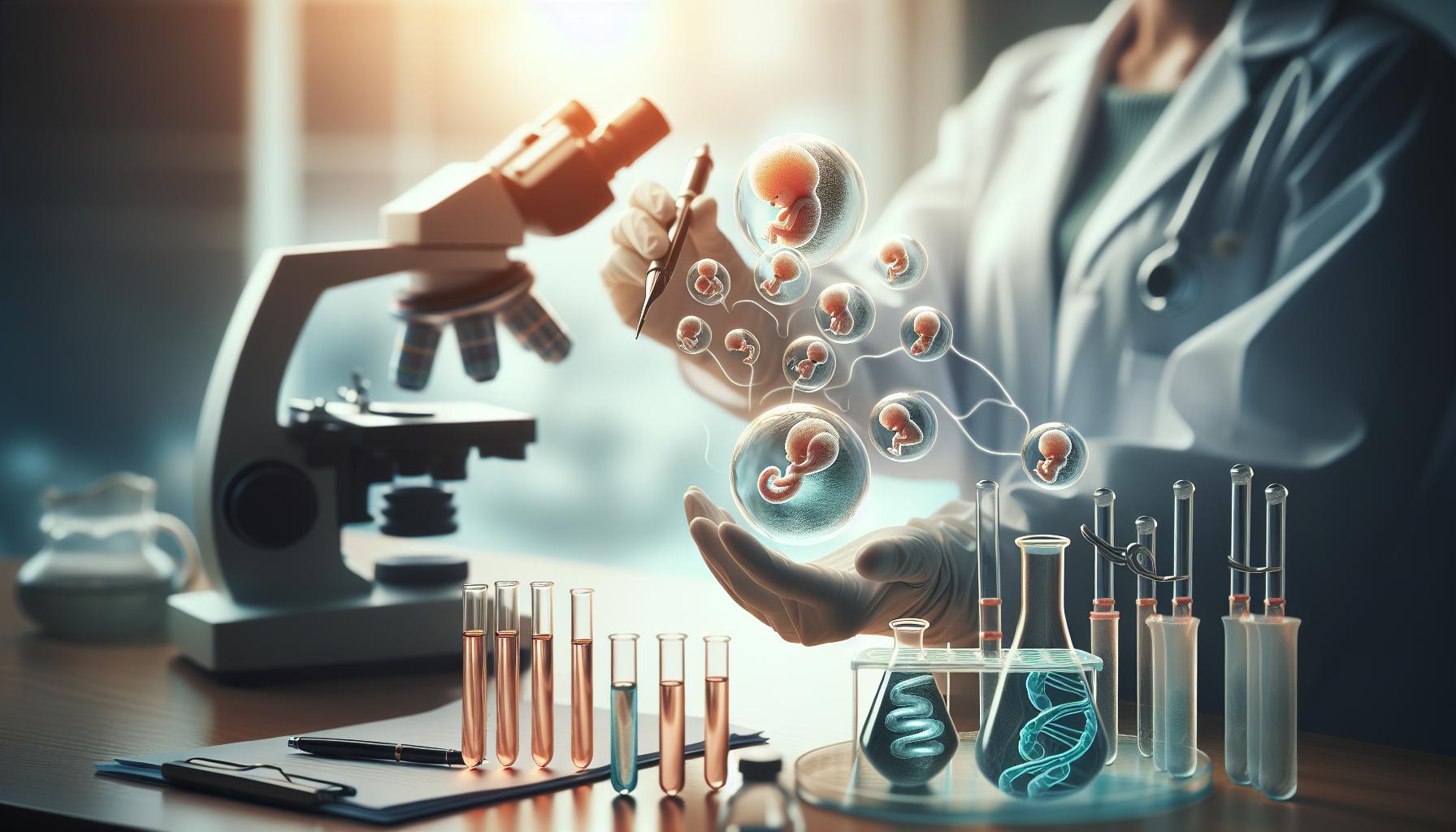
What is PGT Testing? A Comprehensive Overview
Preimplantation Genetic Testing (PGT) represents a significant advancement in reproductive technology, providing couples with a powerful tool to enhance their chances of having a healthy child. By allowing for the genetic testing of embryos created through in vitro fertilization (IVF), PGT can identify chromosomal abnormalities before implantation. This not only improves the odds of a successful pregnancy but also lowers the risk of genetic disorders, including Down syndrome.
PGT works by testing embryos for specific genetic issues that might be inherited or result from aneuploidy, a condition where an embryo has an abnormal number of chromosomes. This testing is particularly valuable for couples with a known history of genetic conditions or for women of advanced maternal age, who may be at a higher risk for chromosomal abnormalities. By identifying which embryos are genetically healthy, parents can select those for implantation, thereby reducing the risk of complications and enhancing the likelihood of a successful pregnancy.
The PGT process typically involves several key steps:
- Egg Retrieval: Eggs are collected from the mother after hormonal stimulation.
- Fertilization: The retrieved eggs are fertilized with sperm in the lab to create embryos.
- Embryo Development: The embryos are monitored for several days as they develop.
- Biopsy and Testing: A few cells are carefully removed from the embryos for genetic testing.
- Embryo Selection: Based on the genetic results, healthy embryos are chosen for transfer into the uterus.
The emotional and psychological aspects surrounding PGT should not be underestimated. Couples often experience a range of feelings including hope, anxiety, and uncertainty throughout their fertility journey. It’s essential to seek support-whether from healthcare professionals, counselors, or support groups-allowing individuals to voice their concerns and celebrate milestones in their journey. Understanding the PGT process and its implications can foster a deeper sense of control and agency, empowering couples as they navigate their path to parenthood.
The Benefits of Preimplantation Genetic Testing
Preimplantation Genetic Testing (PGT) offers significant benefits for couples pursuing in vitro fertilization (IVF), especially those concerned about genetic conditions like Down syndrome. By identifying chromosomal anomalies before embryo implantation, PGT empowers parents with crucial information that can guide their choices in the fertility journey. This proactive approach not only increases the likelihood of a successful pregnancy but also enhances the potential for a healthy child.
One of the most compelling advantages of PGT is the reduction of the risk of genetic disorders. Couples with a known history of chromosomal issues or advanced maternal age often face heightened risks during pregnancy. PGT allows these families to identify viable embryos free of such complications, thus significantly lowering the chances of conceiving a child with conditions such as Down syndrome. Selecting genetically healthy embryos for implantation can lead to a more straightforward path to parenthood, making the emotional roller coaster of IVF a bit more manageable.
Moreover, the emotional benefit of PGT cannot be overstated. Knowing that you are selecting from genetically sound embryos can foster a sense of control amid the uncertainty of fertility treatments. This peace of mind enables couples to approach each step with confidence, knowing they have made informed choices. Many parents also find comfort in the support and resources provided by clinics that perform PGT, fostering a community that shares similar experiences and concerns.
As couples navigate this intimate and often challenging journey, they should remember that the path to parenthood can involve various emotional stages-from hope and excitement to anxiety and fear. PGT is not just a technical procedure; it is a critical component in the emotional management of fertility struggles, ultimately allowing families to focus on what matters most: the safe arrival of a healthy child.
Success Rates of IVF with PGT for Down Syndrome
The integration of Preimplantation Genetic Testing (PGT) with In Vitro Fertilization (IVF) has shown promising success rates for couples looking to reduce the risk of genetic conditions, including Down syndrome. Research indicates that using PGT can significantly increase the chances of selecting healthy embryos for implantation. In general, the success rates of IVF cycles can range from 40% to 70%, depending on various factors such as the age of the egg donor, the fertility clinic‘s expertise, and individual health variables. When combined with PGT, these rates can improve, as the process allows for the identification of chromosomal abnormalities before implantation.
Couples using PGT to screen for Down syndrome often experience greater peace of mind. When PGT is performed, only embryos that do not display the chromosomal anomalies associated with Down syndrome are selected for transfer. This proactive approach not only reduces the risk of conceiving a child with this condition but also raises overall success rates by ensuring that only genetically viable embryos are considered for implantation. For instance, studies have suggested that the chances of a live birth increase significantly when embryos are screened for genetic conditions prior to transfer.
While the success rates are encouraging, potential parents should also be aware of the emotional and financial aspects of IVF with PGT. Navigating the complexities of fertility treatments can be daunting, and it’s normal to experience a range of emotions throughout the process. The financial investment required for IVF and PGT can be substantial, often ranging from $15,000 to $30,000 per cycle, making it essential for couples to plan and consider their insurance options carefully. Understanding the costs alongside the success rates can help families make informed decisions and prepare for the journey ahead.
As couples embark on this path, celebrating small milestones and seeking support from healthcare professionals can provide much-needed encouragement. This journey requires resilience and hope, and recognizing the steps taken-whether through successful embryo implantation or receiving empathetic care-can make a meaningful difference in the emotional landscape of family building. Ultimately, knowing the tangible success rates of IVF with PGT allows parents to approach the future with optimism while being grounded in the realities of their choices.
Cost of IVF with PGT: What to Expect
The financial aspect of IVF with Preimplantation Genetic Testing (PGT) is crucial for anyone considering this pathway to parenthood. On average, the cost for a single cycle of IVF can range from $15,000 to $30,000, depending on various factors including geographical location, the experience of the fertility clinic, and the specifics of your treatment plan. Additionally, when PGT is included, you can expect to pay an extra $3,000 to $7,000 for the testing itself. This total investment can add up quickly, making it essential to approach your finances with a clear understanding and plan.
Understanding What the Costs Cover
When considering these costs, it’s important to know what is typically included in the IVF cycle fee. Generally, the price may cover:
- Initial consultations and testing (blood tests, ultrasounds)
- Ovarian stimulation medications
- Monitoring through blood tests and ultrasounds during the stimulation phase
- Egg retrieval procedure
- Embryo culture and evaluation
- PGT, if applicable, which identifies specific genetic markers or chromosomal issues
- Embryo transfer procedure
Financial Options and Support
Given the financial demands, it’s crucial to explore your options. Many couples find it valuable to check with their insurance providers, as some plans may cover parts of IVF or PGT. Moreover, fertility clinics often offer financing options or payment plans to help manage costs more effectively. Some clinics have sliding scale fees based on income, which could be beneficial if finances are tight.
If insurance coverage is limited or unavailable, consider looking into grants or scholarships specifically designed for fertility treatments. Organizations like the BabyQuest Foundation or The Cade Foundation offer financial assistance to those in need.
Embarking on the journey of IVF with PGT can feel overwhelming, both emotionally and financially. Remember, you’re not alone in this process. Seek out support from healthcare professionals, community groups, and those who have experienced similar paths. Celebrate every small milestone along the way, and allow yourself to navigate this journey with hope and support.
Navigating Insurance for IVF and PGT
Understanding how to navigate insurance for IVF and Preimplantation Genetic Testing (PGT) can seem daunting, especially when faced with the emotional and financial burdens of fertility treatments. Many patients often grapple with the complexities of coverage, which can vary significantly between insurance plans. One essential first step is to contact your insurance provider to clarify what aspects of IVF and PGT are covered. Some plans might include coverage for initial consultations, diagnostic tests like blood work and ultrasounds, or even the IVF procedure itself.
Key Coverage Areas to Explore
When discussing coverage, be prepared to ask specific questions about the following:
- IVF Coverage: Does your plan cover the full IVF cycle, including medications, procedures, and the embryo transfer process?
- PGT Testing: Is Preimplantation Genetic Testing covered under your plan? If so, to what extent?
- Out-of-Pocket Expenses: What will you need to pay out of pocket for various stages of treatment, including lab fees and medications?
- Medications: Are fertility medications included in your plan, and if so, what are the limits?
Strategies for Maximizing Insurance Benefits
Sometimes patients receive confusing information or are initially told that certain procedures aren’t covered. It can be beneficial to take the following steps:
- Documentation: Obtain and keep all essential documents, including invoices, treatment summaries, and correspondence with your clinic and insurance company.
- Appeals: If coverage is denied, you can often appeal the decision. Be sure to ask your clinic for guidance on how to outline your appeal effectively.
- Financial Counselors: Many fertility clinics have financial counselors who can help navigate these discussions and provide clarity on what services may be covered.
Remember, each journey through IVF and PGT is unique. Some may encounter obstacles, but it’s essential to remain hopeful and seek support from both professionals and communities that understand the challenges you face. Celebrate each milestone in your journey, and don’t hesitate to lean on experts for guidance through the labyrinth of insurance claims and medical procedures.
Emotional Aspects of IVF and Genetic Testing
Navigating the emotional landscape of IVF and genetic testing can be a challenging journey filled with a range of feelings from hope to anxiety. Understanding the implications of undergoing procedures like Preimplantation Genetic Testing (PGT) not only requires grasping the medical aspects but also acknowledges the emotional weight they carry. Patients often grapple with the possibility of genetic conditions such as Down syndrome, and the desire for a healthy child may intertwine with fears about the risks and uncertainties involved.
It’s essential to recognize that exploring fertility options can bring up feelings of grief and uncertainty. Couples may mourn the loss of the “natural” conception experience or grapple with anxiety over the implications of genetic testing results. Have open conversations and express your fears and aspirations with supportive partners, friends, or counselors who understand this complex emotional terrain. Strong support networks can make a significant difference as you process difficult emotions and navigate your path forward.
As you proceed with IVF and PGT, celebrating small milestones can counterbalance the weight of uncertainty. Whether it’s the successful retrieval of healthy embryos or positive test results from PGT, acknowledging these achievements supports emotional resilience. Each step in the process builds hope and enhances your sense of agency over your family’s future.
Ultimately, it’s crucial to remember that creating a family can take many forms. IVF and PGT are just two pathways among many, including adoption or other alternatives. Whatever the journey looks like for you, remaining open-minded and compassionate towards yourself and your partner throughout this process is key. Each individual’s experience is unique; honor your feelings and seek the support that resonates most for your specific journey.
Understanding the PGT Process Step by Step
Understanding the process of Preimplantation Genetic Testing (PGT) is crucial for couples considering in-vitro fertilization (IVF) as a way to reduce the risk of genetic conditions like Down syndrome. PGT offers hope by allowing parents to select embryos free of certain genetic issues before implantation, making the pathway to parenthood potentially more secure.
The PGT process begins after the IVF procedure, where eggs are retrieved from the woman’s ovaries and fertilized with sperm in a laboratory. Once embryos develop for a few days, typically around five to six days, the next step involves creating a cell biopsy, which removes a small number of cells from each embryo without compromising its development. This crucial step allows genetic specialists to analyze the embryos for any chromosomal abnormalities, including the presence of an extra chromosome 21 that can indicate Down syndrome.
After the genetic testing is completed, the results indicate which embryos are healthy and suitable for implantation. This can significantly reduce the likelihood of genetic disorders manifesting in the child. Selected embryos are then transferred to the uterus during the subsequent IVF cycle. The success rates of PGT not only hinge on the quality of the embryos but also on factors such as maternal age and the underlying fertility issues being addressed.
Throughout the PGT journey, maintaining an open dialogue with your fertility specialist is key. Discussing any concerns you may have regarding the testing process, its implications, and potential outcomes can provide clarity and alleviate anxiety. Each step, from egg retrieval to embryo transfer, may trigger a range of emotions, but knowing that there are options can help foster a sense of control over your reproductive health.
Debunking Myths about IVF and Genetic Testing
In today’s world of reproductive technology, myths surrounding in-vitro fertilization (IVF) and genetic testing, particularly concerning Down syndrome, are prevalent and can create confusion for prospective parents. One common misconception is that IVF inherently guarantees a healthy baby. While IVF facilitates the selection of embryos and the option for Preimplantation Genetic Testing (PGT), it does not eliminate all risks of genetic conditions, including Down syndrome. The truth is that PGT significantly reduces the chances of transferring embryos with this extra chromosome, but it cannot provide a 100% assurance against all genetic disorders.
Another widespread belief is that genetic testing is only for older women or those with a family history of genetic disorders. In reality, PGT is a proactive option that can be beneficial for individuals and couples of all ages, and it can address a range of genetic concerns beyond just age and family history. More importantly, PGT can help ensure that the embryos selected have a higher likelihood of developing without chromosomal anomalies, offering peace of mind to parents regardless of their background.
Moreover, some may assume that the PGT process is overly complicated and invasive. However, modern advancements in technology have made this process more efficient and less daunting than ever. During PGT, a few cells can be biopsied from embryos without compromising their viability. By utilizing this minimally invasive technique, healthcare providers can effectively screen for genetic conditions with greater accuracy, allowing for informed decision-making regarding embryo transfer.
Finally, the belief that all embryos produced through IVF are of equal quality can be misleading. The reality is that not all embryos develop at the same rate or may have the same potential for successful implantation. Understanding this variability underscores the importance of PGT in identifying the healthiest embryos, thereby increasing the chances of a successful pregnancy while lessening the emotional and financial strain of multiple unsuccessful cycles. By debunking these myths and encouraging open communication with fertility specialists, prospective parents can embark on their family-building journey with a clearer understanding and renewed hope.
The Future of IVF and Genetic Testing Innovations
As advancements in reproductive technology continue to evolve, the future of in-vitro fertilization (IVF) and genetic testing holds immense promise not just for prospective parents, but also for the broader field of reproductive health. Innovations like Preimplantation Genetic Testing (PGT) are at the forefront, offering a clearer path to decreasing the risk of genetic conditions such as Down syndrome. Researchers and scientists are continuously exploring new methodologies that enhance the accuracy of genetic screenings, potentially allowing for the detection of a wider array of genetic disorders before embryo transfer.
The integration of artificial intelligence (AI) into genetic testing represents a significant leap forward. AI algorithms can analyze vast amounts of genetic data at unprecedented speeds, improving the identification of viable embryos and increasing the efficiency of PGT processes. These advancements not only promise to enhance the accuracy of identifying embryos free of specific genetic conditions but also aim to lower the overall costs associated with extensive genetic testing, making it more accessible to families who may previously have found it financially prohibitive.
Another exciting avenue is the potential for broadening the scope of diseases screened by PGT. Current research is looking into the capability of testing for additional conditions, beyond the commonly known ones, such as Down syndrome. This could provide prospective parents with critical information about various genetic disorders, allowing for more informed decision-making throughout their fertility journey. For many, the emotional reassurance that comes from knowing their future child has a reduced risk of inheriting certain genetic conditions can be invaluable.
As these innovations reshape the landscape of reproductive technologies, it’s essential for individuals and couples to remain informed and proactive about their options. Consulting with fertility specialists who understand the latest developments can empower patients to make decisions that align with their health and family aspirations. The discourse around genetic testing will continue to grow, ideally fostering a community of support and understanding as families navigate these complex choices. As you embark on this journey, remember that you are not alone, and every step forward, no matter how small, is worth celebrating.
Support Resources for Patients Considering IVF
Considering in-vitro fertilization (IVF) along with Preimplantation Genetic Testing (PGT) is a significant step for many prospective parents who aim to minimize the risk of genetic conditions such as Down syndrome. It’s essential to know that you are not alone on this journey; many resources are available to help support and guide you through the process.
One vital resource is your fertility clinic, which can provide personalized guidance tailored to your specific medical history and needs. During consultations, fertility specialists can clarify all your options and answer your questions about IVF, PGT, and the potential risks and benefits associated with each choice. This supportive relationship can be incredibly reassuring as you navigate this emotionally charged and complex landscape.
Joining support groups, either online or in-person, can also be a tremendous source of comfort. These communities consist of individuals who share similar experiences and challenges, allowing for the exchange of valuable insights and emotional support. Connecting with others who are on a similar path can help validate your feelings of hope, fear, and uncertainty.
Additionally, various non-profit organizations focus on reproductive health and genetic disorders. These organizations often provide educational resources, financial assistance, or counseling services. For example, the Resolve: The National Infertility Association offers resources and advocacy for individuals facing infertility, making them an essential ally in your journey.
It’s crucial to consider emotional well-being as you approach IVF and PGT. Consulting with a mental health professional specializing in reproductive health can provide a safe space to explore your emotional challenges and develop coping strategies. These experts can offer support tailored to your experience, validating your feelings while helping you build resilience.
As you contemplate your family-building options, know that your thoughts and concerns are valid. Each step forward is worthy of celebration, no matter how small, and reaching out for support is a sign of strength. The journey may be filled with uncertainties, but the resources available to you can help illuminate the path ahead.
Faq
Q: How does Preimplantation Genetic Testing (PGT) work to detect Down Syndrome?
A: Preimplantation Genetic Testing (PGT) analyzes embryos created during IVF to identify genetic conditions, including Down Syndrome. Specifically, it examines the chromosomes to check for trisomy 21, the cause of Down Syndrome, allowing only unaffected embryos to be implanted, thus reducing the risk of the condition.
Q: What are the limitations of PGT in preventing Down Syndrome?
A: PGT is not infallible; it can miss certain genetic abnormalities or provide inconclusive results. Additionally, while it reduces the risk of Down Syndrome, it does not eliminate all genetic disorders. Candidates should consult a fertility specialist for a thorough understanding of these limitations.
Q: Can IVF with PGT guarantee a healthy baby?
A: IVF with PGT significantly lowers the risk of Down Syndrome and other genetic conditions, but it cannot guarantee a healthy baby. Other factors, including environmental and maternal health, also play a crucial role in pregnancy outcomes.
Q: What is the cost difference between IVF with and without PGT testing?
A: IVF with PGT testing typically costs more than standard IVF due to the additional laboratory procedures involved. Costs vary by clinic, but patients should budget for both IVF and PGT fees when considering treatment options.
Q: Is PGT testing recommended for all IVF patients?
A: PGT testing is generally recommended for individuals or couples with a known risk of genetic disorders, advanced maternal age, or repeated IVF failures. It is advisable to discuss personal circumstances with a fertility specialist to determine the appropriateness of PGT.
Q: How does maternal age influence the risk of Down Syndrome?
A: Maternal age plays a significant role in the risk of Down Syndrome, with higher risks associated with women over 35 years. IVF and PGT can help mitigate these risks by allowing for the selection of genetically healthy embryos.
Q: What support resources are available for patients undergoing IVF with PGT?
A: Patients can access various support resources, including counseling services, support groups, and educational materials about IVF and PGT. Many fertility clinics also offer workshops and informational sessions to help patients navigate their journeys.
Q: Can lifestyle changes impact the success of IVF with PGT?
A: Yes, lifestyle changes such as maintaining a balanced diet, exercising regularly, avoiding smoking and excessive alcohol, and managing stress can positively impact the success rates of IVF with PGT. Patients should aim for optimal health before and during their fertility treatments.
The Way Forward
As we’ve explored, IVF and PGT testing offer promising pathways to reduce the risk of Down syndrome and other genetic conditions. By utilizing advanced techniques, prospective parents can make informed decisions about their family’s future. If you’re considering these options, now is the time to reach out to a fertility specialist. Don’t hesitate to navigate your unique journey-explore our guides on IVF costs and success rates, or read about your options in assisted reproductive technologies.
For more support, sign up for our newsletter to stay updated on the latest insights in reproductive health. Remember, you’re not alone on this journey; our community is here to share and understand your concerns. Keep the conversation going by commenting below or sharing your thoughts and experiences with us. With knowledge and compassion, we can guide you through the complexities of fertility treatments and help you build the family of your dreams.
Get our latest guides, news, and insights highlighted in your Google Search & AI Overviews.