Navigating the journey of family building can be deeply challenging, especially for those who have undergone a hysterectomy. While the womb is essential for a traditional pregnancy, advances in reproductive technology, including in vitro fertilization (IVF) using donor eggs or embryos, offer hopeful alternatives. Many individuals wonder, “Can I still pursue IVF after a hysterectomy?” The answer is both complex and hopeful; there are options that may allow you to fulfill your dreams of parenthood. This article delves into the pathways available for building a family post-hysterectomy, addressing common concerns, exploring in-depth alternatives, and providing the compassionate support you need as you consider your next steps. Your journey is unique, and understanding your options is the first step toward finding the path that resonates with your personal goals.
Understanding Hysterectomy and Its Implications for IVF
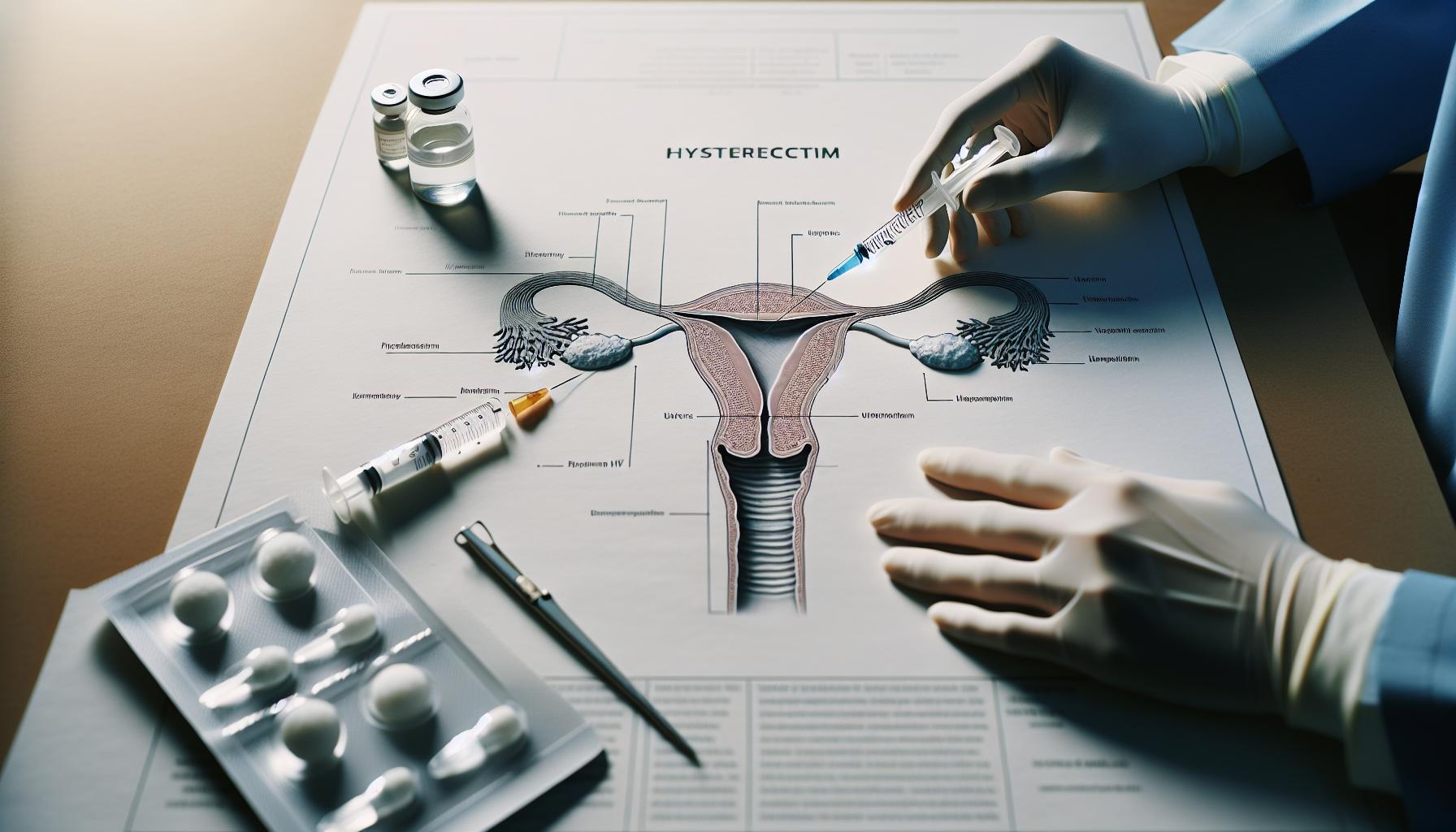
Hysterectomy, the surgical removal of the uterus, can profoundly impact one’s fertility journey. For many women, this procedure is necessary due to conditions such as fibroids, endometriosis, or cancer. Understanding how a hysterectomy affects your options for in vitro fertilization (IVF) is crucial, especially if you are contemplating family expansion. The absence of a uterus means direct conception via IVF is not possible, which can understandably evoke feelings of grief and uncertainty about future family-building options.
For women who have undergone a hysterectomy and still wish to pursue motherhood, there are several viable paths to consider. One of the most common routes is the use of a gestational carrier, more commonly known as a surrogate. This option allows intended parents to have a biological connection to their child, as eggs can be retrieved and fertilized with sperm in a lab, forming embryos that are implanted into the surrogate’s uterus. It’s essential to understand that while surrogacy can be an emotionally rewarding choice, it also comes with considerable logistical and financial implications.
Moreover, the use of donor eggs is another viable option for those who require IVF assistance after a hysterectomy. In this scenario, the eggs from a donor are fertilized with the partner’s sperm, and the resulting embryos can be implanted in a surrogate. For those considering this path, it’s vital to discuss the emotional and financial aspects with a reproductive specialist who can provide guidance tailored to your situation.
It’s important to navigate these decisions with the support of medical and emotional resources. Each option has its complexities, from the medical procedures involved to the financial costs associated with IVF, surrogacy, or egg donation. Support groups and counseling can also provide invaluable emotional aid, creating a network of understanding during what can be a highly emotional time. Remember, your journey towards parenthood is uniquely yours, and seeking out the path that aligns with your values and hopes is essential for a fulfilling experience.
Hysterectomy Types: Total vs. Partial Explained
Understanding the differences between total and partial hysterectomy is crucial for anyone navigating the fertility implications of this surgery. A total hysterectomy involves the removal of the entire uterus as well as the cervix, which ends any possibility for natural or assisted conception, including in vitro fertilization (IVF). This type of surgery is commonly performed for serious conditions like cancer, severe endometriosis, or other reproductive health issues. As a result, women who undergo this procedure must consider alternative family-building options if they desire to become parents in the future.
In contrast, a partial hysterectomy, also known as a supracervical hysterectomy, removes only the upper part of the uterus, leaving the cervix intact. This approach can sometimes preserve menstrual cycles and hormonal function, although it may not guarantee fertility since the uterus, which is vital for carrying a pregnancy, is still affected. Research into the pros and cons of retaining the cervix is ongoing, and the implications for fertility can vary significantly among individuals. Women who have had a partial hysterectomy might explore IVF options if they still have healthy ovaries and access to a surrogate for embryo implantation.
Navigating these choices can feel overwhelming, especially considering the emotional weight of fertility challenges after a hysterectomy. Many individuals seek assistance through reproductive specialists, who can guide them on the best pathways forward based on their unique circumstances. Empowering discussions about options-such as using donor eggs, surrogacy, or even exploring egg retrieval alternatives-can help illuminate potential paths to parenthood despite the absence of the uterus. Understanding these aspects can be a source of hope amidst difficult decisions.
Exploring IVF After Hysterectomy: Is It Possible?

For many women who have had a hysterectomy, the prospect of starting a family may feel out of reach, especially with the common assumption that a hysterectomy eliminates the possibility of conception. However, the journey towards parenthood doesn’t have to end there. Understanding how in vitro fertilization (IVF) can fit into your future family plans is a vital step in navigating the emotional landscape post-hysterectomy.
When considering IVF after a hysterectomy, the type of surgery performed plays a crucial role. In cases of total hysterectomy, where both the uterus and cervix are removed, traditional IVF that involves carrying a pregnancy is not an option. Therefore, in these instances, using a gestational carrier-someone who carries the embryo created from the egg and sperm of the intended parents or donors-becomes a viable pathway. This option can be both exciting and intimidating. It’s important to discuss the implications of using a surrogate with a fertility specialist who understands both the medical and emotional aspects of surrogacy.
Women who have undergone a partial or supracervical hysterectomy may have slightly different scenarios to consider. While the uterus is still impacted, there may be potential to explore IVF options more closely tied to their own reproductive viability, especially if they still possess healthy ovaries. In such cases, the focus shifts to egg retrieval and fertilization, followed possibly by transfer to a surrogate if the uterus cannot support a pregnancy.
Navigating the emotional landscape of infertility post-hysterectomy also requires sensitivity to grief and hope. Many individuals feel a sense of loss due to their changed circumstances, yet it’s vital to remind oneself of the possibilities that still exist. Approaching a reproductive health professional can help you understand the treatment timelines, associated costs, and realistic success rates, fostering a clearer picture of what might lie ahead. Ultimately, the journey may be different than originally envisioned, but there are still pathways to parenthood that can result in beautiful, fulfilling family experiences.
To support this journey, staying informed and connected with support groups or counseling can provide additional emotional reinforcement, helping to cope with the mixed feelings surrounding infertility. Engaging in ongoing conversations about your options with trusted providers creates a roadmap tailored to your unique circumstances, reinforcing the idea that, while challenges exist, there are always potential paths to explore.
Egg Retrieval Alternatives: What Are Your Options?
Navigating options for egg retrieval after a hysterectomy can feel overwhelming, but understanding your alternatives is a crucial step in your family-building journey. Even if the uterus is no longer viable for pregnancy, the ovaries may still be capable of producing eggs. Here, we explore various avenues for egg retrieval and the considerations tied to them.
For women who have not undergone removal of their ovaries, the primary option is ovarian stimulation followed by egg retrieval. This process involves taking hormonal medications to stimulate the ovaries to produce multiple follicles, each containing an egg. After several days of monitoring through ultrasounds and blood tests, a minor surgical procedure known as transvaginal ultrasound aspiration is performed to collect the eggs. This procedure typically occurs under sedation, and many patients experience minimal discomfort. The resulting eggs can then be fertilized through IVF, using either the partner’s sperm or donor sperm, depending on individual circumstances.
In cases where the ovaries have been affected or removed during hysterectomy (termed oophorectomy), alternative methods come into play. One viable option is using previously harvested eggs if a woman has undergone egg freezing before her hysterectomy. Egg freezing, also known as oocyte cryopreservation, allows individuals to preserve their fertility before undergoing surgeries that may compromise their reproductive health. If eggs were frozen, they can later be thawed and fertilized through IVF.
If there is uncertainty about ovarian viability or previous egg freezing wasn’t pursued, women can consider expanding their family through donor eggs. Egg donation allows you to use eggs from a donor who is undergoing ovarian stimulation, followed by egg retrieval. Donor eggs significantly broaden the possibilities for achieving pregnancy, especially for those without viable egg sources. This option often comes with its own emotional and ethical considerations, so consulting with a reproductive endocrinologist can provide insights tailored to personal values and comfort levels.
Another alternative to explore is a gestational carrier, a woman who carries the pregnancy resulting from IVF but does not use her own eggs. This approach is helpful if you are not a candidate for egg retrieval due to medical circumstances related to the hysterectomy. Engaging a gestational carrier requires thorough legal and emotional counseling, but it can also fulfill the desire for parenthood while ensuring that you are still involved in the biological aspect through the use of your own or donor eggs.
Lastly, fostering emotional support along this journey is vital. It’s natural to experience a whole range of feelings-from grief over loss to hope for future possibilities. Engaging with support groups or mental health professionals who specialize in fertility journeys can provide a necessary source of comfort and validation. Remember, every step taken is valid, regardless of the chosen pathway-be it IVF, egg donation, or working with surrogates.
Using Donor Eggs: A Viable Path for IVF Success
Utilizing donor eggs presents a compelling option for individuals seeking to achieve pregnancy after a hysterectomy. For those who have had their uterus removed, the path to parenthood can feel particularly challenging; however, donor eggs can provide hope and a viable route to IVF success. This method allows individuals to maximize their chances of conception by using eggs from a donor, which can be fertilized with sperm and implanted into a gestational carrier, making parenthood conceivable even in the absence of a uterus.
One of the primary reasons individuals turn to donor eggs is when their own egg reserve is insufficient or non-existent due to the effects of hysterectomy or age. The use of donor eggs can significantly increase success rates for IVF, often yielding higher embryo quality compared to older eggs. According to the American Society for Reproductive Medicine, the success rates for IVF with donor eggs can be as high as 50-60%, depending on various factors, including age and health of the gestational carrier. This is particularly encouraging for those navigating the emotional toll of infertility.
When considering donor eggs, engagement with a reputable fertility clinic is crucial. They can provide comprehensive support, guiding prospective parents through the emotional and logistical aspects of the process. Many clinics offer counseling sessions to help address the emotional complexities surrounding donor egg use, allowing couples to feel empowered and informed. Moreover, it’s essential to explore the legal implications involved with egg donation and potential donor anonymity, ensuring that personal values are respected.
In addition to emotional support and practical assistance, it’s important to prepare for the financial aspects of using donor eggs. The cost can vary widely depending on the clinic and the specific services required, often ranging from $15,000 to $30,000 for an IVF cycle using donor eggs. This financial commitment can be daunting, so understanding insurance coverage and exploring financing options is an integral part of the planning process. A transparent dialogue with healthcare providers can alleviate some of the stress associated with these decisions.
Exploring donor eggs offers a valuable avenue for couples seeking to enhance their family-building options post-hysterectomy. While the journey may come with challenges, the support of healthcare professionals, along with understanding the financial aspects and emotional landscape, can facilitate a compassionate path toward realizing family dreams. Embracing these developments means recognizing and celebrating each step as valid, reinforcing hope for future possibilities in the realm of parenthood.
Surrogacy as an IVF Alternative Post-Hysterectomy
For those looking to build a family after a hysterectomy, surrogacy emerges as a powerful and viable alternative. This option allows intended parents to have their genetic child carried by another woman, known as a surrogate, while they navigate the emotional and physical realities of infertility. Surrogacy becomes particularly relevant when the uterus has been removed, making traditional pregnancy impossible. It can be an empowering choice for individuals or couples who yearn for a biological connection to their child, despite the significant changes that have occurred in their reproductive journey.
The surrogacy process generally begins with finding a suitable surrogate, who may be a friend, family member, or a candidate selected through a surrogacy agency. Once a surrogate is identified, intended parents often engage a fertility clinic to carry out necessary medical procedures. Typically, eggs are retrieved from the intended mother (or from a donor) and fertilized with sperm to create embryos. These embryos are then implanted into the surrogate’s uterus. This method not only allows for a genetic link to the child but also allows the intended parents to remain actively engaged throughout the pregnancy.
Costs can vary significantly, typically ranging from $90,000 to $150,000 for a complete surrogacy cycle, including agency fees, medical expenses, and legal costs. Understanding these financial implications is crucial, as many insurance plans do not cover surrogacy. Therefore, potential parents should discuss financing options upfront with their healthcare providers and also consider consulting with legal experts to navigate the complexities of surrogacy contracts and ensure all parties are protected.
While the surrogacy experience can be fraught with emotional ups and downs, it can also offer moments of connection and hope. It is important to prepare for the emotional toll this process can take. Building a support network, which may include counseling services, support groups, or conversations with others who have undergone similar journeys, can be invaluable. Celebrating small milestones, like embryo transfer or heartbeat confirmations, can provide encouragement along the way. Ultimately, surrogacy opens the door to parenthood, affirming the belief that, regardless of the challenges faced, the dream of holding a child in your arms is still within reach.
Understanding Fertility Preservation Before Hysterectomy
Before undergoing a hysterectomy, understanding your fertility preservation options is crucial for those who wish to conceive in the future, especially if you’re considering alternatives such as IVF. Fertility preservation commonly involves the process of egg retrieval, where eggs are collected from the ovaries and frozen for later use. This proactive approach can provide hope for individuals facing a hysterectomy due to medical reasons, such as fibroids, endometriosis, or cancer, which can impact future pregnancy possibilities.
The preservation process typically involves a series of steps, starting with hormone stimulation through fertility medications to encourage the ovaries to produce multiple eggs. Once the follicles develop, your healthcare team will perform a minor surgical procedure to retrieve the eggs. These retrieved eggs can then be frozen, allowing you to consider IVF at a later date when you might have the opportunity to use a surrogate or another suitable method for implantation. This process can be emotionally taxing, but knowing that you have options may provide a sense of empowerment amidst the situation.
It’s important to be aware of the costs associated with fertility preservation. Procedures like egg retrieval and freezing can range from $6,000 to $15,000, depending on various factors such as location and facility. Many insurance companies do not cover these procedures, so it’s essential to discuss financial implications with your healthcare provider. Understanding these aspects can reduce anxiety and help in planning your fertility journey effectively.
Consider the emotional dimensions of fertility preservation; it’s normal to experience feelings of grief, hope, and uncertainty. Engaging with support groups or counseling can be beneficial as you navigate these complex emotions. Acknowledge that the path to parenthood may take different shapes and remain open to the various family-building options available to you, each holding the potential for joy and fulfillment.
Exploring Intrauterine Insemination (IUI) after Hysterectomy
For individuals considering family-building options after a hysterectomy, the possibility of intrauterine insemination (IUI) may arise. IUI is a fertility treatment that involves placing sperm directly into the uterus using a thin catheter, aiming to facilitate fertilization without the need for natural intercourse. However, it’s essential to acknowledge that for women who have undergone a hysterectomy, where the uterus is removed, traditional IUI is no longer a viable option.
Understanding the Limitations of IUI After Hysterectomy
The procedure requires a functional uterus to allow for implantation of a fertilized egg, which is not possible post-hysterectomy. Therefore, individuals who have had this surgery will generally need to explore alternative routes for conception and building a family. It’s vital for those affected to engage in thorough discussions with their fertility specialists to understand the limitations and options available to them.
Exploring Alternatives to IUI
Given the circumstances, other assisted reproductive technologies (ART) such as in vitro fertilization (IVF) using donor eggs or the possibility of surrogacy become essential considerations. Here are several alternatives:
- Donor Eggs: If you have had your ovaries intact, egg retrieval might be an option as a first step to IVF, where eggs are fertilized in the lab using partner or donor sperm.
- Surrogacy: Many women opt for a surrogate if they cannot carry a pregnancy themselves, allowing for genetic contributions through IVF.
- Fostering or Adoption: Exploring avenues like fostering or adoption provide routes to building a family outside of traditional biological methods;
Emotional and Financial Considerations
Navigating these decisions can evoke a range of emotions including grief and hope. It’s crucial to seek emotional support through counseling or support groups to process these feelings and share experiences with those on similar journeys. Financially, treatment options like IVF and surrogacy can be expensive, often ranging from $6,000 to $15,000 per cycle. Some insurance plans may cover parts of these processes, while others do not, so checking your coverage is an essential first step.
As you consider these paths, remember that it’s acceptable to feel a mix of emotions and to take the time to make informed choices. Each option holds its distinct characteristics and degrees of success, so staying informed and supported throughout the process will help you navigate this challenging yet hopeful journey of building a family.
Navigating Financial Aspects: Costs of Alternative Options
Navigating the financial landscape of alternative family-building options after a hysterectomy can feel overwhelming, particularly when considering treatments like IVF and surrogacy. Understanding the potential costs associated with these procedures will play a crucial role in your decision-making process. On average, the cost of a single IVF cycle ranges from $6,000 to $15,000, depending on various factors, including the clinic’s location and the specific treatments based on your individual health needs. Add-ons such as medication, egg retrieval, and genetic testing can increase these costs significantly.
It’s essential to recognize that financial aspects extend beyond the immediate costs of IVF or surrogacy. For example, many insurance plans vary greatly in their coverage of fertility treatments. Some may partially cover IVF, while others might not cover any costs at all. It’s advisable to review your policy carefully and speak with your insurance provider to determine what expenses may be covered. Additionally, some clinics offer financing options or payment plans, which can help ease the financial burden.
When looking into surrogacy, the costs can escalate even further, often ranging from $90,000 to $150,000, including agency fees, medical expenses, and legal fees. This makes detailed budgeting and financial planning crucial. You might also want to explore grants and funding opportunities specifically aimed at families pursuing fertility treatment or adoption, which can provide additional financial relief.
As you navigate these choices, allowing yourself the space to feel a range of emotions-confusion, hope, or anxiety-is completely normal. Connecting with support groups or financial advisors experienced in fertility-related issues can offer guidance and camaraderie along this path. Remember, you are not alone, and many have successfully navigated these challenges, finding ways to build their families despite the obstacles.
Understanding Success Rates: IVF, Surrogacy, and IUI
The journey to parenthood can feel particularly daunting after a hysterectomy, but understanding the success rates of alternative options such as IVF, surrogacy, and IUI can illuminate a path forward. Firstly, it is essential to acknowledge that success rates can vary widely based on numerous factors, including age, underlying health conditions, and specific clinic practices. For instance, IVF success rates generally range from 40% to 50% for women under 35, but these rates can decline with age or health complications.
When considering IVF, if you are using donor eggs, the success rates can be higher since they typically come from younger donors, often well under 30 years of age. Clinics frequently report success rates of around 60% or more with such cases, reflecting the health and viability of the eggs used in the process. However, it’s crucial to note that success doesn’t guarantee a live birth; that’s why ongoing communication with your fertility specialist is vital for understanding the nuances of individual circumstances.
In contrast, surrogacy has a high success rate, particularly when using healthy embryos created through IVF. The overall rate tends to hover around 75% to 80%, providing a hopeful outlook for those unable to carry a pregnancy to term themselves. This option can be emotionally fulfilling, but it’s accompanied by significant financial considerations, which can elevate stress levels as families navigate this path.
Additionally, Intrauterine Insemination (IUI) offers another route, although its success rates linger around 10% to 20% per cycle. For those considering IUI after a hysterectomy, it’s important to factor in discussions about potential biological limitations and the quality of the eggs available, particularly if relying on one’s own ovarian reserve.
Lastly, regardless of the chosen path-be it IVF, surrogacy, or IUI-embracing the emotional journey is critical. Allowing space for uncertainty and recognizing the value of support from professionals, friends, and peer networks can make a significant difference. While striving for success, celebrate small milestones along the way and keep an open dialogue with your care team. There are many paths to parenthood, and while some may feel more complicated than others, each holds its potential for joy and fulfillment.
Emotional Support: Coping with Infertility After Hysterectomy
The emotional journey following a hysterectomy can feel overwhelmingly complex, intertwining threads of grief, hope, and uncertainty. Understanding that these feelings are valid is crucial, as many individuals grapple with the profound implications of infertility and the loss of the ability to carry a pregnancy. While moving forward may seem daunting, acknowledging one’s emotions and seeking appropriate support can pave the way for healing and resilience.
Connecting with others who have faced similar experiences can be particularly cathartic. Support groups-both in-person and online-provide safe spaces to express emotions, share stories, and find encouragement. These communities often become vital sources of strength, where members can discuss alternative family-building options like IVF, adoption, or surrogacy in a non-judgmental environment. Conversations around personal journeys can instill hope and remind everyone that they are not alone in their struggles.
The financial and logistical considerations associated with fertility treatments can amplify stress during this time. It’s essential to establish an open line of communication with healthcare providers for transparency regarding treatment costs, success rates, and timelines. Understanding what to expect can make complexities feel more manageable. Creating a financial plan or budget can also alleviate anxiety, ensuring that individuals feel prepared for the journey ahead, whether it centers on IVF, donor eggs, or surrogacy.
Lastly, focusing on small milestones along the journey is vital for maintaining a positive outlook. Celebrate each step, whether it’s completing a cycle of IVF or simply providing emotional support to a partner. Recognizing and honoring these achievements can help foster a sense of progress and empowerment amidst the uncertainty. Remember, navigating the path to parenthood can take time, but each journey is unique and deserves respect and patience.
Exploring Support Groups and Resources for Families
The journey through infertility and family building after a hysterectomy can be incredibly isolating, but connecting with others who share similar experiences can provide essential emotional sustenance. Joining support groups-whether in-person or online-can be a game changer, creating a safe environment to express feelings, seek advice, and share unique stories. Many individuals express how participation in these groups helps them feel validated and understood, alleviating feelings of loneliness that often accompany infertility struggles.
These support networks often host discussions not just about coping strategies, but also about tangible options available for family building post-hysterectomy, such as IVF with donor eggs, adoption, or surrogacy. Members frequently share personal insights, including details on the emotional and financial aspects of these methods. Being part of a community where both the joys and challenges of the fertility journey are acknowledged can inspire hope and resilience in the face of obstacles.
When considering what resources may be beneficial, look for organizations that specialize in reproductive health and support, like Resolve: The National Infertility Association, or local groups that focus on infertility and loss. These organizations can provide not only emotional support but also practical resources-such as financial planning advice for fertility treatments, educational materials, and even mentorship programs connecting individuals navigating similar paths.
Additionally, online forums and social media groups can offer immediate support and a wealth of information accessible from the comfort of home. Many communities organize virtual meet-ups, making it easier for individuals to connect regardless of geographical barriers. Embracing these connections can be an integral part of not just coping with the emotional aftermath of a hysterectomy, but also in navigating the complexities of alternative family-building methods.
FAQ
Q: Can you undergo IVF if you have had a hysterectomy?
A: No, you cannot undergo IVF after a hysterectomy because the procedure involves implanting embryos into the uterus, which is no longer present. However, alternatives such as using a surrogate may be viable options for building a family.
Q: What are the alternative options for fertility after a hysterectomy?
A: Alternatives include using donor eggs in conjunction with IVF, pursuing surrogacy, and considering adoption. Each option has unique emotional, financial, and logistical implications, so thorough research and consultations with fertility specialists are essential.
Q: How does surrogacy work after a hysterectomy?
A: Surrogacy involves a surrogate carrying a pregnancy on behalf of someone unable to do so, such as after a hysterectomy. Intended parents can use their own embryos created from donor eggs and sperm or use embryos from a donor.
Q: What are the success rates of IVF with donor eggs?
A: Success rates for IVF with donor eggs vary but can be higher than traditional IVF, often exceeding 50% per cycle. This option is particularly beneficial for those who are unable to produce viable eggs or have diminished egg quality.
Q: When should one consider fertility preservation before a hysterectomy?
A: Consider fertility preservation prior to a hysterectomy if there’s a chance of needing fertility treatment later, particularly if you’re young or have not completed your family. Options include egg freezing or embryo freezing, depending on individual circumstances.
Q: What are the emotional impacts of infertility after a hysterectomy?
A: Infertility post-hysterectomy can lead to feelings of grief, loss, and frustration. It’s crucial to seek emotional support from professionals or support groups that can help navigate these feelings and provide community understanding.
Q: What financial aspects should be considered for surrogacy after hysterectomy?
A: Surrogacy can be costly, typically ranging from $90,000 to $150,000, including medical and legal fees. Understanding the costs and exploring insurance coverage options is essential for financial planning regarding this alternative.
Q: How can one find support groups for fertility challenges after hysterectomy?
A: Support groups can be found through fertility clinics, online communities, or organizations dedicated to infertility. Connecting with others sharing similar experiences can provide valuable emotional support and resources.
Closing Remarks
As you navigate the complex fertility journey after a hysterectomy, it’s essential to explore all available options, including IVF with the use of a gestational carrier. Remember, you are not alone-many have successfully built their families through alternative paths, and there’s hope waiting for you. For more detailed insights, check out our guides on “Understanding IVF Costs” and “Alternative Family Building Options,” which offer invaluable information to help you make informed decisions.
Don’t hesitate to reach out for personalized support-our team is here to answer your questions and discuss next steps tailored to your situation. Sign up for our newsletter to stay informed about the latest advances in reproductive technology and emotional support resources. Your family dreams are achievable, and each step you take brings you closer to realizing them. Let’s continue exploring your path to parenthood together; the journey may be challenging, but hope and assistance are within reach.
Get our latest guides, news, and insights highlighted in your Google Search & AI Overviews.