Did you know that having a menstrual period doesn’t always guarantee fertility? Many women experience regular cycles but may still face challenges in conceiving. This paradox can be confusing and emotionally taxing for those dreaming of starting a family. Understanding the nuances of menstrual health and infertility is crucial for managing expectations and outcomes. In this article, we will explore the connection between menstrual cycles and fertility, uncovering the reasons why some individuals can experience periods without being able to conceive. If you’ve wondered how this is possible or are seeking clarity on your reproductive health journey, read on to gain insights that might change your perspective and equip you with valuable information for the path ahead.
Understanding the Basics: Can You Have a Period and Be Infertile?
An astonishing aspect of reproductive health is that many individuals can experience regular menstrual cycles while facing infertility. This puzzling reality arises from the complex nature of fertility, where the presence of a period does not always indicate optimal reproductive function. For those navigating this uncertainty, understanding how periods and fertility interact is crucial.
Menstruation is fundamentally linked to the body’s hormonal signaling, primarily involving the hypothalamus, pituitary gland, and ovaries. A regular cycle suggests the body is producing hormones necessary for ovulation. However, ovulation itself may not occur consistently or at all-a condition known as anovulation. This disconnect means one can menstruate yet fail to release an egg during the cycle, reducing the chances for conception.
Several factors can contribute to this phenomenon, including hormonal imbalances, stress, and certain medical conditions like polycystic ovary syndrome (PCOS). Individuals with PCOS often experience irregular periods due to imbalanced hormone levels impacting ovulation. Even when periods are present, these hormonal disruptions can create significant challenges in conceiving.
It’s essential to acknowledge that the journey through infertility can be emotionally taxing. Many individuals experience grief and disappointment when faced with the possibility of being infertile despite having regular cycles. Seeking answers through appropriate diagnostic tests can illuminate the underlying factors at play, offering clarity while fostering hope for potential solutions. Understanding this relationship between periods and fertility is a vital first step in empowering one’s journey toward successful conception.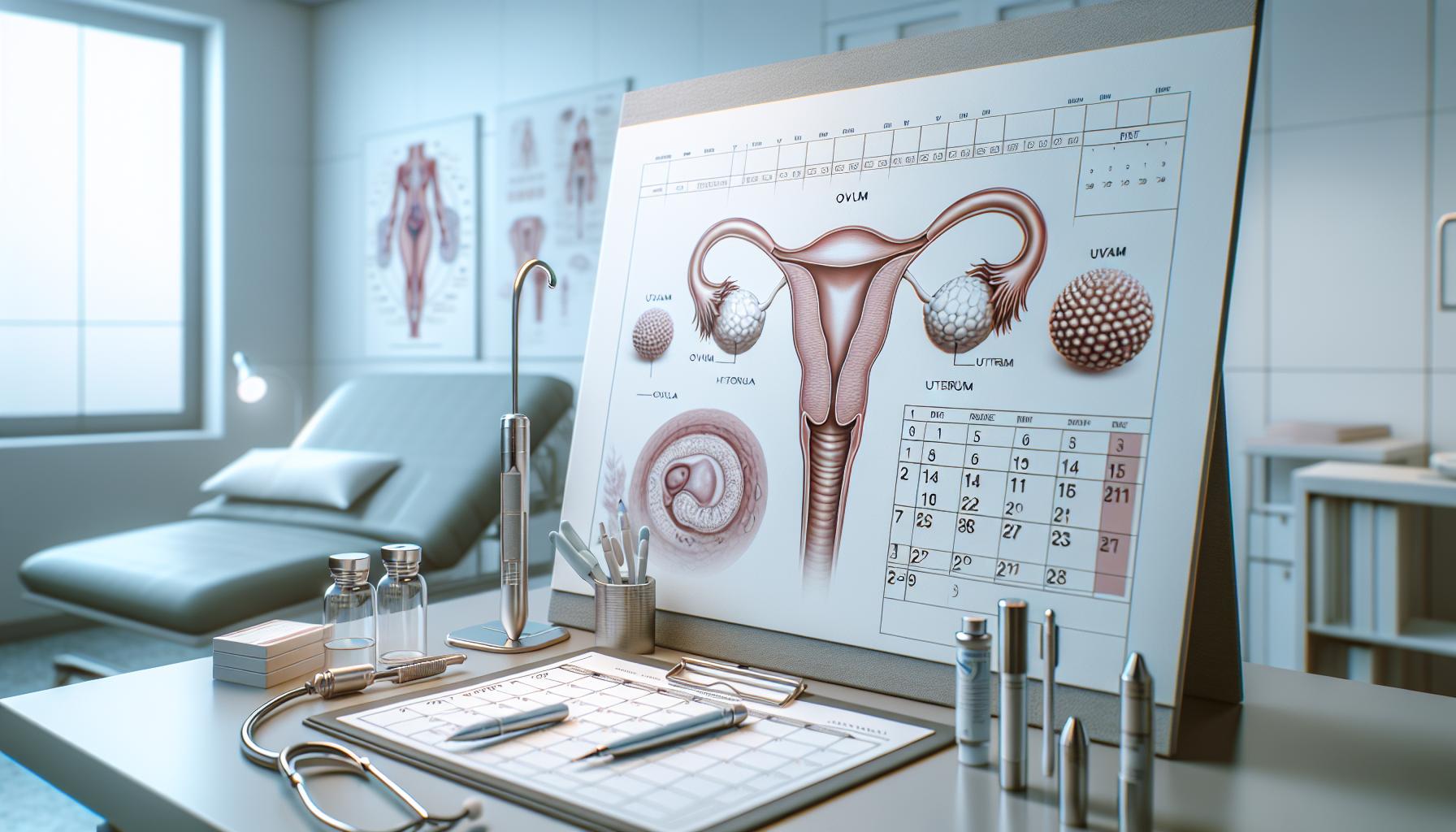
The Link Between Your Menstrual Cycle and Fertility
Understanding the intricate web connecting your menstrual cycle and fertility is enlightening yet can be challenging for many. A regular menstrual period suggests that your body is capable of producing hormones important for reproduction, yet it does not guarantee that ovulation-an essential component for conception-is occurring. This disconnection can lead to the perplexing situation wherein individuals have consistent periods while facing infertility issues.
One significant factor that can impact this relationship is anovulation. While your body may still have a menstrual bleed, it might not be releasing eggs due to various reasons such as hormonal imbalances, lifestyle factors, or underlying health conditions like polycystic ovary syndrome (PCOS). PCOS, for example, disrupts normal hormone levels, which can lead to irregular cycles or consistent cycles without ovulation. Therefore, understanding your cycle requires more than just noting the days you bleed; it involves recognizing the presence of ovulatory patterns as well.
Maintaining awareness of your menstrual cycle is crucial for assessing your fertility. Consider tracking your cycle and symptoms. This can aid healthcare professionals in diagnosing potential issues, leading to more personalized treatment plans. Even stress, weight changes, and other environmental factors can influence hormonal balances, indicating that fertility is a multifaceted concern. While your regular menstruation might instill hope, it’s vital to be aware that ovulation tracking and thorough testing are necessary to confirm your overall fertility health.
As you navigate through fertility evaluations, remember that you’re not alone, and your feelings of confusion or concern are valid. Many individuals experience similar challenges, and there are resources and support systems available to help. Engaging in open discussions with a healthcare provider about your menstrual health and fertility can empower you with knowledge-an important step towards understanding your reproductive potential.
Common Causes of Infertility Despite Regular Periods
Many individuals are surprised to learn that having regular periods does not guarantee fertility. This disconnect can arise from several underlying causes, even when your menstrual cycle appears normal. Understanding these causes is crucial for anyone facing challenges in conceiving.
Hormonal Imbalances
Hormones play a pivotal role in your reproductive health. Regular periods may signal that your body is producing these hormones, but imbalances can lead to ovulation issues. For example, conditions like Polycystic Ovary Syndrome (PCOS) often result in hormonal irregularities that can disrupt ovulation, leaving some women unaware that they are not actually releasing eggs despite cyclical bleeding. Additionally, thyroid disorders can also affect hormone levels and, subsequently, ovulation.
Underlying Health Conditions
Other health problems may also be at play. Conditions such as endometriosis or uterine fibroids can hinder fertility by causing physical obstructions or hormonal changes that disturb the regularity of your cycle and your body’s ability to conceive. Even if menstruation occurs, these issues might prevent successful implantation of a fertilized egg. Furthermore, autoimmune disorders can interfere with reproductive functions, further complicating the fertility landscape.
Lifestyle Factors
Lifestyle can significantly impact your reproductive health as well. Stress, for instance, is a common factor influencing hormonal balance. It can lead to irregular menstrual cycles and potentially inhibit ovulation. Poor nutrition, excessive exercise, and significant weight fluctuations can also disrupt your menstrual cycle, making it vital to maintain a balanced approach to health. Engaging in healthy habits can help mitigate these risks and support your reproductive goals.
Recognizing the signs and maintaining an open line of communication with your healthcare provider is essential for identifying potential obstacles. By understanding these factors, you can gain valuable insights into your reproductive health, empowering you to seek the appropriate support and treatment. Remember, every individual’s journey to parenthood is unique, and addressing these underlying causes is a critical step towards understanding and potentially overcoming infertility challenges.
How Hormonal Imbalances Affect Your Fertility
Hormonal health is essential for fertility, yet many individuals may not realize that regular menstrual cycles can still coexist with hormonal imbalances that hinder conception. For instance, a woman may experience a typical cycle every month but still struggle with ovulation issues caused by conditions like Polycystic Ovary Syndrome (PCOS). PCOS can lead to elevated levels of insulin and androgens, which disrupt the hormonal balance necessary for releasing eggs. Understanding the nuances of hormonal function is critical for anyone navigating their fertility journey.
When hormonal levels are imbalanced, several key reproductive processes can be affected. For example, low progesterone may prevent the uterine lining from preparing adequately for a fertilized egg, decreasing the chances of implantation. Similarly, thyroid disorders can wreak havoc on regular hormonal signaling, leading both to irregular cycles and failure to ovulate. Even conditions typically associated with regular menstruation, such as hypothyroidism or hyperthyroidism, can complicate reproductive health and increase the difficulty of conception.
It’s important to recognize how lifestyle factors can exacerbate hormonal imbalances. Stress is a significant contributor; it raises cortisol levels, which can interfere with the delicate balance of reproductive hormones. Additionally, diet and exercise play critical roles. A diet lacking essential nutrients can lead to monotropic hormonal levels, while excessive exercise can lead to anovulation, where the body fails to release eggs altogether. Adopting a balanced lifestyle with nutritious foods, consistent moderate exercise, and stress management techniques can be instrumental in improving hormonal health.
Maintaining open communication with your healthcare provider is vital in this context. Regular check-ups can facilitate the monitoring of hormonal levels and overall reproductive health. Seeking out diagnostic tests to evaluate hormone levels may help identify specific imbalances, allowing for targeted treatments that can enhance fertility potential. Remember, addressing hormonal imbalances may not only pave the way toward successful conception but also enhance overall well-being on your fertility journey.
Exploring Anovulation: When Your Periods Don’t Signal Ovulation
Anovulation is a hidden challenge many face in their journey toward conception, often shrouded in confusion and uncertainty. Despite the regular arrival of menstrual cycles, it is entirely possible for ovulation not to occur. This means that even though a woman experiences monthly bleeding, there is no release of an egg from the ovaries, blocking the possibility of fertilization. Understanding this phenomenon can empower individuals to seek the right solutions and support.
One of the most common causes of anovulation is hormonal imbalance, often linked to conditions such as Polycystic Ovary Syndrome (PCOS). This condition impacts insulin levels and hormone regulation, which can disrupt the ovulation process despite normal menstrual cycles. For women with PCOS, even recognized periods may not signify the ovulation necessary for conception. Similarly, thyroid disorders-whether underactive (hypothyroidism) or overactive (hyperthyroidism)-can adversely affect ovulation by altering the delicate interplay of hormones crucial for ovulation, leading to potential difficulties in achieving pregnancy.
Recognizing the signs of anovulation can provide critical insights into reproductive health. Some signals may include irregular cycle lengths, missed periods, or changes in menstrual flow. Furthermore, lifestyle factors cannot be overlooked; stress, extreme weight fluctuations, and excessive physical activity can also contribute to anovulation. Maintaining a balanced diet, exercising moderately, and utilizing stress management techniques can foster a more conducive environment for ovulation.
For those concerned about their fertility potential, consulting a healthcare provider is essential. Diagnostic tests that evaluate hormone levels, such as serum progesterone, can accurately assess if ovulation is taking place. Treatment options may include lifestyle modifications, medications to induce ovulation, or interventions to address underlying conditions. Understanding your body’s signals and working closely with healthcare providers allows for a tailored approach in navigating these challenges, ensuring that every step towards parenthood is informed and supported.
The Emotional Impact of Infertility: Validating Your Feelings
Experiencing infertility can feel like navigating a relentless storm, with emotions fluctuating from hope to despair. Many women face the heart-wrenching reality of having regular periods yet struggling with fertility issues, which can lead to a deep sense of confusion and grief. It’s essential to recognize that these feelings are completely valid and that you are not alone in your journey. The emotional weight of infertility can be profound, and acknowledging it is a necessary step toward healing and understanding.
Understanding the complexity of your feelings can bring clarity amidst the chaos. Infertility often evokes a wide range of emotions, including sadness, anger, guilt, and isolation. Each person’s journey is unique, and it’s crucial to give yourself permission to experience this emotional rollercoaster without judgment. It’s common to mourn the perceived loss of a future you envisioned. Recognizing that it’s okay to feel this way can foster a supportive environment where you allow yourself to process these emotions at your own pace.
Finding ways to cope with these feelings is essential for emotional wellness. Consider engaging in open conversations with trusted friends or family members who can provide a listening ear. Additionally, connecting with support groups can offer a sense of community and shared understanding. Speaking with a mental health professional experienced in reproductive health can also provide invaluable support and coping strategies tailored to your needs. Having tools to manage stress, such as mindfulness practices or journaling, can help you navigate the uncertainties of your fertility journey.
Ultimately, carving out space to celebrate small milestones can help shift your focus from the struggles to the strengths you possess. Every step forward-whether it’s seeking a diagnosis, starting treatments, or even just voicing your feelings-is an achievement worth acknowledging. Fertility journeys are deeply personal and can take many forms, including IVF, adoption, or other family-building options. By validating your emotions and embracing the myriad paths to parenthood, you can foster a more compassionate and hopeful outlook on your journey.
How Lifestyle Choices Influence Fertility and Menstrual Health
Many are surprised to learn that lifestyle choices significantly impact fertility and menstrual health. Despite having regular periods, factors such as diet, physical activity, stress levels, and environmental influences can play critical roles in reproductive health. Understanding these connections can empower individuals on their fertility journeys, providing insights that may help improve their chances of conception.
An effective approach starts with diet. Nutrition is fundamental; a balanced diet rich in fruits, vegetables, whole grains, and healthy fats can promote overall health and hormonal balance. For instance, studies suggest that diets higher in antioxidants and omega-3 fatty acids may enhance fertility. Additionally, maintaining a healthy weight is crucial-both underweight and overweight conditions can disrupt hormonal balance and ovulation, leading to challenges in conception.
Physical activity also deserves attention. Regular, moderate exercise can support menstrual regularity and improve insulin sensitivity, which is vital for fertility. However, excessive exercise, particularly in athletic women, may lead to disruptions in menstrual cycles and ovulation. It’s about finding the right balance: aim for consistent, moderate movement while avoiding overtraining.
Stress management is equally important. Chronic stress can lead to hormonal imbalances and affect ovulation. Incorporating stress-reduction techniques such as yoga, meditation, or simply engaging in enjoyable hobbies can help improve overall reproductive health. Ultimately, being mindful of environmental toxins, such as those found in plastics and some personal care products, is another critical aspect. Reducing exposure to these substances can support hormonal health and contribute positively to fertility.
In summary, each of these lifestyle factors-nutrition, exercise, stress management, and environmental awareness-intersects in complex ways that impact not only menstrual health but also fertility potential. By choosing healthy habits and remaining informed, individuals can take proactive steps toward enhancing their reproductive wellness.
Diagnostic Tests: Assessing Your Fertility Potential
Many may not realize that having a regular menstrual cycle does not guarantee fertility. Understanding whether you are fertile involves a series of diagnostic tests designed to assess various factors impacting your reproductive health. These tests can provide clarity and guide your fertility journey, offering insight into your unique situation.
One of the first steps in evaluating fertility typically involves a comprehensive medical history and physical examination. Your healthcare provider will discuss menstrual cycles, any previous pregnancies, and any medical conditions that may affect fertility. Following this, several tests may be recommended to assess hormone levels, ovarian function, and overall reproductive health.
Key Diagnostic Tests
- Blood Tests: Hormonal blood tests can analyze levels of key hormones such as FSH (follicle-stimulating hormone), LH (luteinizing hormone), estradiol, and progesterone. These tests often determine if your ovaries are functioning properly and if you are ovulating.
- Ultrasound: A transvaginal ultrasound can visualize your ovaries and uterus, helping to identify abnormalities such as cysts, fibroids, or polyps that may affect fertility.
- Hysterosalpingography (HSG): This X-ray procedure assesses the shape of the uterine cavity and checks for blockages in the fallopian tubes, which can prevent sperm and egg from meeting.
- Semen Analysis: For male partners, a semen analysis evaluates sperm count, motility, and morphology to rule out male-factor infertility.
Each of these tests plays a critical role in painting a comprehensive picture of your reproductive health. Depending on the findings, additional assessments might be needed. Remember, as you navigate this journey, it’s perfectly normal to experience a range of emotions. It’s essential to discuss any concerns or feelings you may have with your healthcare provider, who can help you understand the implications of each test and what the results mean for your future family plans.
As you embark on your diagnostic process, rest assured that there is support available. Connecting with a fertility specialist or support group can help normalize your experiences and provide emotional backing. With clarity from proper testing, you can move forward informed and empowered, ready to explore your options.
Treatment Options for Infertility: What You Need to Know
Infertility can feel like an overwhelming challenge, especially when faced with the dual reality of having a regular menstrual cycle yet still experiencing difficulties in conceiving. Understanding the available treatment options can empower you on this journey. Treatment typically begins with identifying the root cause of infertility, which may involve hormonal imbalances, structural issues, or age-related factors. Once identified, several pathways can be explored, each tailored to your specific needs and circumstances.
One of the most common treatments is to utilize fertility medications that help regulate or stimulate ovulation. These may include clomiphene citrate (Clomid) or injectable gonadotropins, which can enhance your body’s natural ability to produce eggs, ultimately leading to a higher chance of conception. In cases where there are issues with the fallopian tubes or uterine abnormalities, surgical options may be pursued to enhance the chances of a successful pregnancy.
For individuals and couples facing more complex infertility issues, assisted reproductive technologies (ART) like in vitro fertilization (IVF) or intrauterine insemination (IUI) come into play. IVF involves retrieving eggs from ovaries, fertilizing them in a lab, and transferring the resulting embryos into the uterus. The process can be elaborate, involving multiple steps like ovarian stimulation, egg retrieval, and embryo transfer. IVF may be associated with higher costs, typically ranging from $10,000 to $15,000 per cycle, depending on various factors such as medication costs and clinic fees. It’s important to discuss financial considerations, including insurance coverage and payment plans, with your healthcare provider.
Additionally, lifestyle factors can play a significant role in fertility. Simple modifications like maintaining a balanced diet, managing stress, and avoiding tobacco and excessive alcohol can potentially improve both your menstrual health and overall fertility. Engaging with a supportive community, whether through support groups or mental health resources, can also provide emotional strength as you navigate this emotionally taxing journey. Remember, patience and self-compassion are crucial as you explore the many avenues available for building your family.
Navigating Your Fertility Journey: Questions to Ask Your Doctor
Understanding your fertility journey often involves facing many uncertainties, particularly when you have a regular menstrual cycle but still struggle to conceive. As daunting as it can be, arming yourself with the right questions can help you navigate your discussions with healthcare providers more confidently. Here are some essential inquiries to consider asking during your appointments.
Key Questions to Ask Your Doctor
- What tests can help determine the cause of my infertility? Inquire about specific diagnostic tests such as blood tests to measure hormone levels, ultrasounds to assess ovulation, and semen analysis for male partners. Understanding what to expect from these tests can alleviate anxiety and prepare you for next steps.
- How do my menstrual cycles relate to my fertility? Discuss how regular periods do not always equate to successful ovulation. Request insights into ovulatory dysfunction and how even subtle hormonal imbalances can affect your fertility.
- What are my treatment options? Ask about both medical and surgical treatments available for your specific condition. It’s important to understand various methods, such as fertility medications, IVF, or minimally invasive surgeries, and their associated success rates.
- What lifestyle changes should I consider? Lifestyle factors can greatly influence reproductive health. Engage in a discussion about nutrition, exercise, stress management, and any habits that may impact your fertility.
- What is the timeframe I can expect for treatments to start showing results? Understanding the timeline involved in various treatment protocols can help set realistic expectations and aid in planning your journey ahead.
- What financial considerations should I keep in mind? Discuss the costs involved in treatments, including possible insurance coverage or payment plans, to prevent unexpected financial stress as you move forward.
- How can I manage the emotional aspects of infertility? Recognizing that infertility can be emotionally taxing, ask for recommendations for counseling or support groups that cater to individuals on similar journeys, providing a community of understanding.
As you reflect on these questions, remember that it’s okay to express your concerns and feelings. The road to understanding your fertility can be challenging, but each inquiry you make is a step towards clarity and control in your journey. Embrace this opportunity to build a relationship with your provider, allowing for open dialogue that respects your emotions and aspirations.
Coping Strategies for Infertility: Finding Support and Hope
It’s not uncommon for individuals experiencing infertility to feel isolated in their journey, especially when they may have regular menstrual cycles. Acknowledging that you can have a period but still face challenges in conception is a critical aspect of understanding infertility and the emotions tied to it. Finding ways to cope and build a supportive network can significantly impact your emotional well-being.
One effective strategy is connecting with others who share similar experiences. Support groups-whether in-person or online-can provide a safe space to express feelings, share stories, and access valuable resources. Listening to others can validate your feelings and remind you that you are not alone in this journey. It can also be uplifting to celebrate small milestones or victories together, fostering a sense of community.
Equally important is the role of professional support. Counseling with a mental health professional specializing in fertility issues can offer tailored coping strategies and a chance to process complex emotions. They can help address feelings of grief and loss associated with infertility and provide tools to manage stress effectively. This support can be invaluable, allowing you to navigate the emotional highs and lows with greater resilience.
Additionally, educating yourself about your condition and treatment options can empower you on your journey. Understanding the medical terminology and treatment protocols reduces feelings of helplessness and allows you to engage in meaningful conversations with your healthcare provider. Knowing what to expect, exploring lifestyle changes such as nutrition and exercise, and being open about your needs can also foster a sense of control amidst uncertainty.
Ultimately, it’s crucial to remind yourself that seeking help is a sign of strength, not weakness. Building a network of support, seeking professional guidance, and staying informed can not only provide comfort but also instill hope as you navigate your fertility journey.
Q&A
Q: Can you have a regular period and still be anovulatory?
A: Yes, it’s possible to have regular periods and be anovulatory. Anovulation occurs when an egg is not released despite a menstrual cycle. This can lead to infertility, so if you suspect this might be the case, consider discussing the issue with your healthcare provider for further evaluation and testing.
Q: What does it mean if you have symptoms of PMS but are not pregnant?
A: Experiencing PMS symptoms without pregnancy could indicate hormonal imbalances or irregularities in your menstrual cycle. It’s important to consult your healthcare provider to assess your symptoms and explore underlying causes, especially if you’re concerned about fertility.
Q: How can stress affect my menstrual cycle and fertility?
A: Stress can lead to hormonal changes that disrupt your menstrual cycle, potentially causing irregular periods or anovulation. Managing stress through relaxation techniques, exercise, or counseling can support your overall reproductive health. Consider integrating these practices into your daily routine.
Q: What role do lifestyle factors play in menstrual health and fertility?
A: Lifestyle factors such as diet, exercise, and sleep greatly influence menstrual health and fertility. A balanced diet and regular physical activity can help regulate your cycle and promote hormonal balance. Consider assessing your lifestyle choices and making improvements to support your fertility.
Q: How do hormonal contraceptives affect fertility after discontinuation?
A: Hormonal contraceptives can temporarily alter your menstrual cycle, and it may take some time for your fertility to return to normal after stopping. Most women regain their fertility within a few months, but if problems persist, it’s advisable to consult your healthcare provider.
Q: Can weight fluctuations impact your menstrual cycle and fertility?
A: Yes, significant weight gain or loss can affect your menstrual cycle and fertility due to hormonal changes. Maintaining a healthy weight can help regulate your cycle. If you experience irregular periods related to weight changes, seek advice from a healthcare professional.
Q: What tests can determine if you are ovulating?
A: Ovulation can be assessed through several tests, including blood tests to measure hormonal levels, ultrasound monitoring of ovary activity, and ovulation predictor kits. These methods help determine if you’re regularly ovulating, particularly if you’re facing difficulties conceiving.
Q: Are there any specific medical conditions that can cause regular periods but infertility?
A: Yes, conditions like endometriosis or polycystic ovary syndrome (PCOS) can lead to regular periods while affecting fertility. If you suspect an underlying condition, it’s crucial to consult a healthcare provider for a thorough evaluation and personalized treatment options.
Closing Remarks
Understanding whether you can have a period and still be infertile is crucial for your reproductive health journey. Remember, a regular menstrual cycle doesn’t always guarantee fertility, nor does an irregular one mean infertility. If you have lingering questions or concerns about your specific situation, it’s essential to consult with a medical professional.
For more insights, check out our articles on understanding ovulation, exploring fertility treatments like IVF and artificial insemination, and addressing common infertility causes. Don’t hesitate to explore our resources to empower your journey. Sign up for our newsletter to stay updated with the latest information and support tailored to your needs.
Your path to parenthood may include challenges, but you’re not alone. Join our community, share your experiences, and let’s navigate this journey together-one step at a time. Your voice matters, and we’re here to support you.
Get our latest guides, news, and insights highlighted in your Google Search & AI Overviews.