Fertilization is a defining moment in the reproductive process, but what happens in asexual reproduction? Unlike sexual reproduction, where sperm and egg unite, asexual organisms create offspring without fertilization. Understanding this distinction is crucial for anyone navigating their reproductive journey or simply curious about biological diversity. As we explore the truths behind fertilization and asexual reproduction, we’ll address common misconceptions and highlight the fascinating mechanisms that allow life to thrive in various forms. By the end, you’ll gain a clearer perspective on the breadth of reproductive strategies in nature and their implications for your understanding of life’s complexities. Let’s dive deeper into this intriguing topic and uncover the distinctions that shape our world.
Understanding Asexual Reproduction: Basics and Definitions
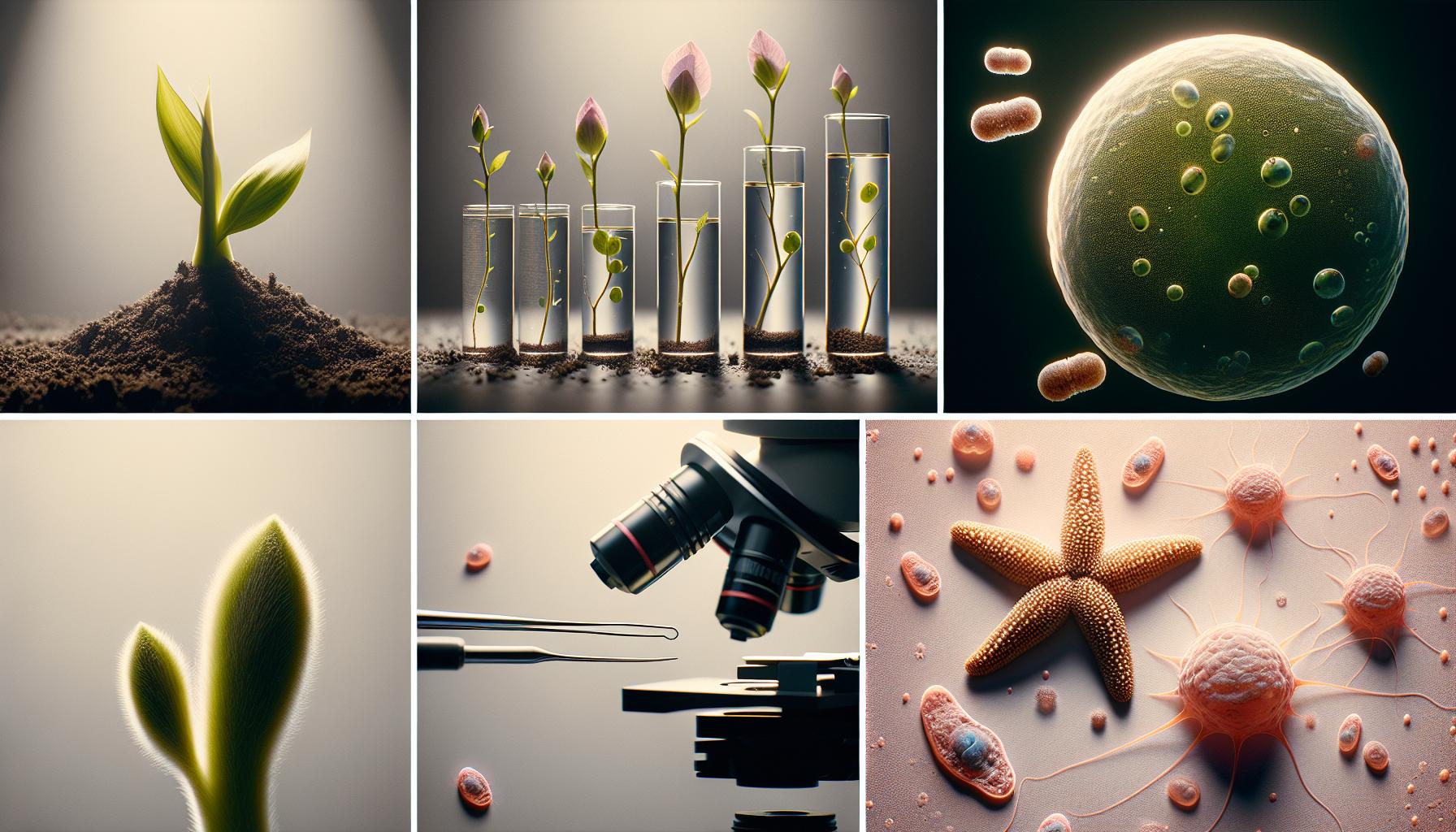
Asexual reproduction refers to a process in which organisms can reproduce without the fusion of gametes-this means no sperm and egg combination. Instead, a single parent organism can create offspring that are genetically identical to itself, a concept often appealing due to its simplicity and efficiency. In nature, many organisms, such as bacteria, certain plants, and some animals, utilize this reproductive strategy, ensuring their survival in diverse environments.
There are several methods of asexual reproduction, including binary fission, budding, and vegetative propagation. In binary fission, common in single-celled organisms like bacteria, the parent cell divides into two equal halves, each capable of growing into a new organism. Budding involves the formation of a new organism from a small protrusion on the parent-think of how a hydra or certain yeast species reproduce. Vegetative propagation is widely observed in plants, where new individuals arise from parts such as roots, stems, or leaves without the need for seeds or spores.
The primary advantage of asexual reproduction is that it allows for rapid population growth, as a single organism can reproduce multiple times without a mate. This method can be particularly beneficial in stable environments where the parent organism is well suited for survival. However, this also leads to a lack of genetic diversity, making populations vulnerable to changes in the environment, diseases, or other pressures that a genetically varied group might withstand better. Understanding these fundamentals sets the stage for deeper exploration into how fertilization fits-or doesn’t fit-within asexual reproduction.
The Role of Fertilization in Reproductive Processes
In the realm of reproduction, the concept of fertilization often stands as a cornerstone of understanding sexual reproduction. However, when we delve into asexual reproduction, the narrative shifts dramatically. Asexual reproduction is defined by a distinct absence of fertilization processes, as it enables organisms to produce offspring without the fusion of gametes. This absence of fertilization is a key factor that differentiates asexual from sexual reproduction and underscores the various methods organisms have evolved for reproduction.
For instance, organisms like bacteria utilize a process called binary fission, where a single cell divides into two identical cells, effectively bypassing any reproductive structures associated with fertilization. Other modalities, such as budding found in hydras and vegetative propagation in plants, similarly showcase how life can perpetuate itself without fertilization. These mechanisms highlight the efficiency geared toward survival in stable environments, offering rapid population growth when mates are scarce or conditions are predictable.
Despite the effectiveness of asexual reproduction, there are nuances worth contemplating. While this method allows for quick propagation, it inherently lacks genetic diversity, which can be a double-edged sword. Populations that reproduce asexually may struggle to adapt to environmental shifts or disease pressures due to the uniformity of their genetic makeup. Therefore, while fertilization is not a component of asexual reproduction, understanding this distinction helps illuminate the varied strategies life employs for endurance and survival in diverse ecosystems. Each approach has its advantages and challenges, reflecting the complexity of the biological world and the pathways organisms have carved through evolution.
Exploring Types of Asexual Reproduction
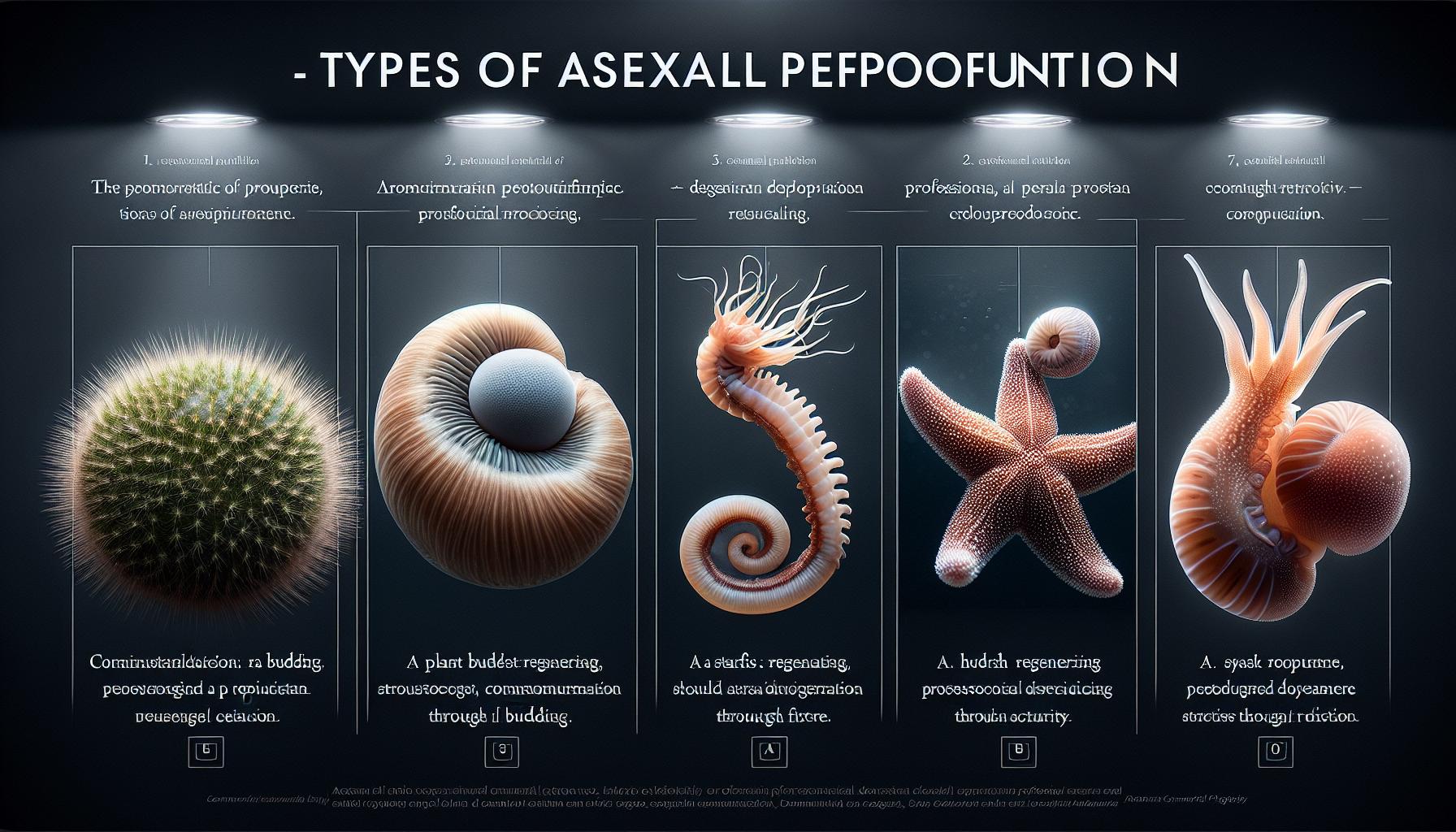
In the diverse world of biology, asexual reproduction stands out as a fascinating and efficient method through which organisms can propagate their species without the need for fertilization. Unlike sexual reproduction, where two organisms exchange genetic material, asexual reproduction enables a single organism to create offspring that are typically genetic clones of itself. This method is not only vital for the survival of many species but also showcases the remarkable adaptability of life in various environments.
One prevalent form of asexual reproduction is binary fission, commonly seen in unicellular organisms such as bacteria. In this process, a single cell divides into two identical daughter cells, allowing the population to grow rapidly under favorable conditions. Another interesting type is budding, which is observed in organisms like yeast and hydra. Here, a new organism develops from a small outgrowth or bud on the parent, eventually detaching and continuing its life independently. Additionally, vegetative propagation in plants, where new plants grow from parts of the parent plant-such as roots, stems, or leaves-demonstrates how complex and resourceful asexual reproduction can be. Popular examples include potatoes, which can grow new plants from sections of tubers, and strawberries, which send out runners to create new plants.
While asexual reproduction offers the advantage of rapid population growth and colonization, it does come with inherent limitations. The lack of genetic variation means that populations are often less resilient to changes in the environment, diseases, or predators. As a result, understanding these types of asexual reproduction enriches our knowledge of survival strategies in nature and highlights the delicate balance between efficiency and diversity in ecosystems.
How Asexual Reproduction Differs from Sexual Reproduction
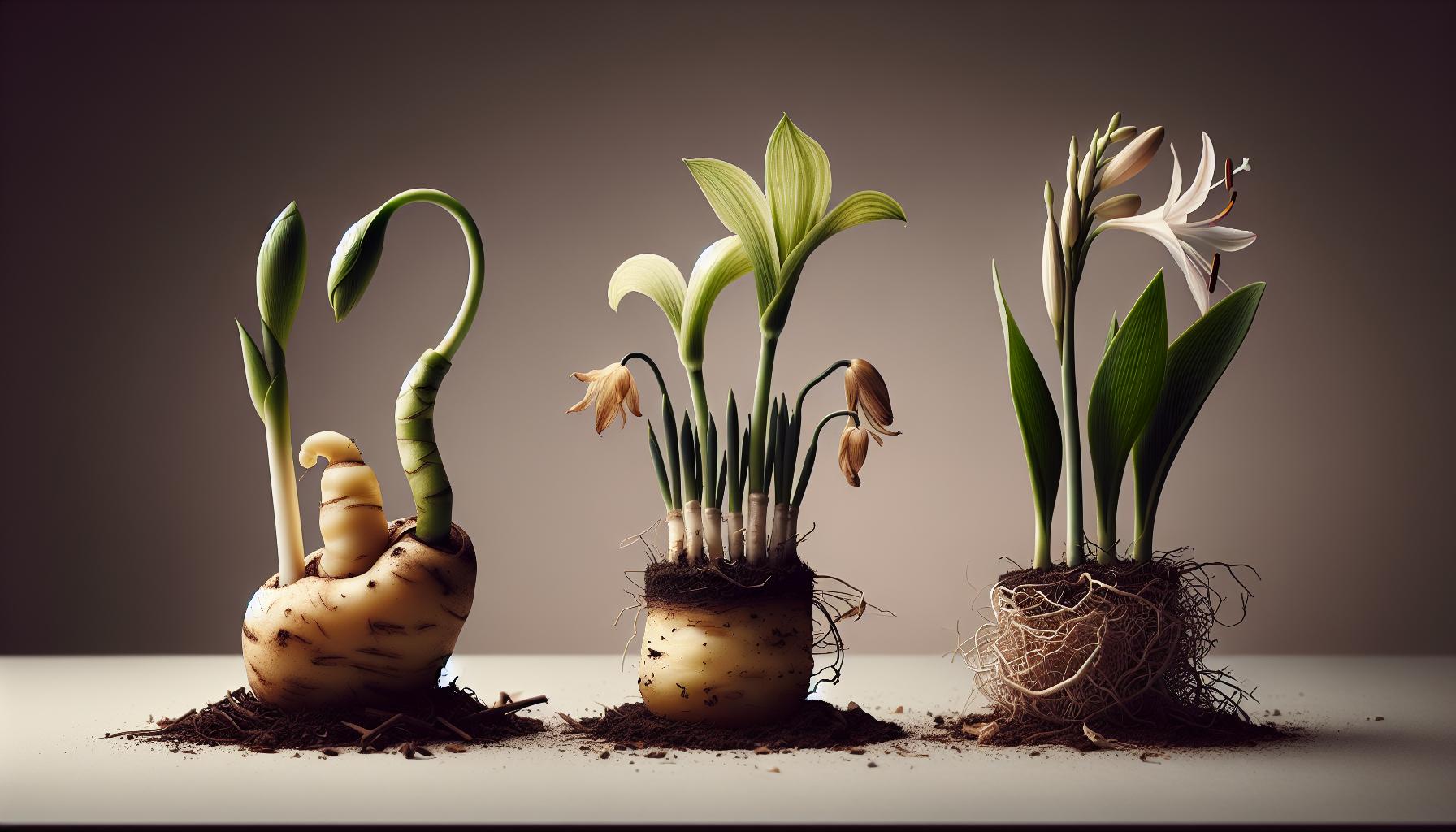
Asexual reproduction is fundamentally distinct from sexual reproduction, primarily in its mechanics and outcomes. In sexual reproduction, the fusion of male and female gametes leads to the formation of offspring that are genetically unique, combining traits from both parents. This genetic diversity is a significant advantage, allowing populations to adapt over time to changing environments and resist diseases. In contrast, asexual reproduction involves just one parent organism, leading to offspring that are genetic clones of the parent. This process eliminates the need for fertilization, a hallmark of sexual reproduction, making it a more straightforward method of propagation.
One key difference lies in the mechanisms used for reproduction. In asexual reproduction, methods such as binary fission, budding, fragmentation, or vegetative propagation are employed, which do not involve gametes at all. For instance, bacteria often reproduce through binary fission, where the organism divides into two identical cells, capable of rapid population increases under favorable conditions. Plants, on the other hand, might use vegetative propagation to grow new plants from their roots or stems, such as how strawberries use runners to create clones of themselves.
While the simplicity of asexual reproduction can lead to rapid colonization and population growth, it also introduces certain vulnerabilities. The genetic uniformity among clones means that these populations may be more susceptible to environmental changes, as they lack the genetic diversity that can foster resilience. In comparison, sexual reproduction, despite being more resource-intensive and slower, creates a genetic mix that equips offspring to thrive in diverse environmental conditions and fend off diseases.
In summary, asexual reproduction offers efficiency and speed, serving the reproductive needs of various organisms in stable environments, while sexual reproduction promotes genetic diversity, enhancing adaptability over time. Understanding these differences helps us appreciate the various strategies life employs to survive and flourish.
Common Misconceptions About Asexual Reproduction
A common misconception about asexual reproduction is the belief that it resembles some aspects of sexual reproduction, particularly in terms of genetic diversity and the involvement of fertilization. Many people assume that because asexual reproduction produces offspring that are clones of the parent, these organisms may have similar evolutionary adaptations and may even undergo some form of fertilization. This is simply not the case. In asexual reproduction, the absence of fertilization means that genetic variation primarily arises through mutations rather than the recombination of genes from two parents.
Another prevalent misunderstanding is that asexual reproduction is a less sophisticated or “primitive” form of reproducing life. In truth, asexual reproduction has evolved as an effective strategy for survival in stable environments. Organisms like bacteria can reproduce rapidly, ensuring their continuous presence in various conditions. For instance, sea anemones can reproduce through a process of budding or fragmentation, allowing them to thrive in their habitats without the need for mates. This efficiency demonstrates the adaptability and survival strategies that asexual organisms possess.
Some might also think that asexual reproduction is only applicable to simpler life forms, like bacteria or plants. However, there are complex organisms, including certain species of lizards and amphibians, that can reproduce asexually. Parthenogenesis, a form of asexual reproduction where an egg develops into an organism without fertilization, is observed in species like the Komodo dragon and some frogs. This challenges the notion that asexual reproduction is exclusive to “lower” organisms.
To dispel these myths, it is crucial to educate ourselves on the facts surrounding reproductive processes. Understanding the clarity in the distinction between sexual and asexual reproduction helps reinforce the complexity of life’s evolutionary strategies. By recognizing the unique advantages and mechanisms behind asexual reproduction, we can better appreciate the broad spectrum of reproductive strategies employed by different species.
The Science Behind Asexual Reproduction Mechanisms
A fascinating aspect of biology is how various organisms manage to create new life without the involvement of fertilization, which typically necessitates two parent organisms in the sexual reproduction process. Instead, asexual reproduction allows a single parent to produce genetically identical offspring, ensuring that species can thrive even in the absence of mates. This method not only simplifies the reproductive process but also enables organisms to proliferate rapidly in stable environments. Understanding the mechanisms behind this type of reproduction provides insight into its evolutionary significance and adaptability.
One primary mechanism of asexual reproduction is binary fission, commonly observed in unicellular organisms like bacteria. In this process, the parent cell divides into two equal parts, each developing into a complete organism. This method is efficient, allowing populations to expand exponentially in favorable conditions. Another well-documented form is budding, seen in yeast and some invertebrates, where a new organism grows from a small protrusion on the parent, eventually detaching to live independently. Furthermore, vegetative propagation allows plants to reproduce through their non-reproductive parts, such as roots, stems, and leaves, exemplified by how strawberry plants produce runners that take root and grow into new plants.
While these processes illustrate the remarkable strategies employed by organisms, it’s essential to recognize that asexual reproduction is not simply a “simpler” form of reproduction. Some advanced organisms, such as certain reptiles and amphibians, can reproduce through mechanisms like parthenogenesis, where embryos develop from unfertilized eggs. This adaptability demonstrates the evolutionary advantages of asexual reproduction, particularly in environments where mates are scarce. By relying solely on existing genetic material, these species can maintain a stable population and ensure their survival.
In contemplating the implications of asexual reproduction, it’s also crucial to consider how genetic variability occurs within these species since they lack the genetic recombination seen in sexual reproduction. Indeed, while offspring are clones, mutations can introduce new traits into the population, allowing for some level of adaptability over time. By appreciating the intricate mechanisms behind asexual reproduction, we gain a deeper understanding of biological diversity and the enduring survival strategies crafted by nature.
Fertilization: Is It Ever Involved in Asexual Processes?
In the realm of reproduction, the notion of fertilization is traditionally associated with the blending of genetic material from two parents, as observed in sexual reproduction. However, it’s essential to clarify the role of fertilization in the context of asexual reproduction, where the concept of two-parent involvement is largely absent. In asexual reproduction, organisms produce offspring without the fusion of gametes, which means fertilization does not occur as part of the reproductive process.
That said, some fascinating exceptions exist within certain species. For instance, parthenogenesis is a form of asexual reproduction where an egg develops into a new individual without fertilization. This phenomenon is observed in various species, including certain reptiles, amphibians, and even some plants. In parthenogenesis, while fertilization in the traditional sense is absent, the process showcases the remarkable adaptability of life, allowing these organisms to thrive in environments where mates are scarce.
The implications of such forms of asexual reproduction can be significant. By relying on existing genetic material and skipping fertilization, these species can rapidly populate their environments, effectively ensuring survival. They may also exhibit unique genetic variations through mutations, maintaining a delicate balance between stability and adaptability.
Understanding these nuances not only highlights the incredible diversity of reproductive strategies in the natural world but also underscores the intricate pathways that organisms take in their evolution. For those exploring family-building or fertility options, it’s a comforting thought that nature has equipped various species with such innovative reproductive mechanisms, mirroring the diverse paths humans may navigate in their fertility journeys.
Real-World Examples of Asexual Reproduction in Nature
In nature, asexual reproduction manifests in remarkable ways across various species, showcasing the ingenuity of life beyond the confines of fertilization. For example, many plants utilize a process known as vegetative propagation, where new individuals sprout from parts of the parent plant, such as stems or roots. Consider the case of potato plants; they can produce new plants from sections of tubers. This ability not only allows for rapid population growth but also ensures that each new plant retains the genetic traits of the parent, which can be advantageous in stable environments.
Another fascinating example is budding, which is common among yeast and certain hydra species. In budding, a small protrusion develops on the parent organism, eventually forming a new individual. This method allows for a quick increase in numbers, which can be crucial for survival in fluctuating conditions. Additionally, marine organisms like corals reproduce asexually through fragmentation, where a part of the organism breaks off and grows into a new colony. This not only contributes to their resilience but also to the biodiversity of the marine ecosystem.
It’s also essential to highlight parthenogenesis, a unique form of reproduction where an egg develops into a new individual without fertilization. This is observed in some reptiles and certain species of insects. Parthenogenesis is particularly beneficial in populations where mates are scarce, enabling species to reproduce and maintain their lineage even in challenging circumstances. Each of these examples demonstrates not only the diversity of life forms that rely on asexual reproduction but also their ability to adapt and thrive in various environments.
Understanding these real-world examples of asexual reproduction enriches our appreciation for the complexities of life and the myriad of strategies organisms employ to survive and flourish. Despite the absence of fertilization, these processes illustrate the resilience of life and highlight pathways that could inform future studies in reproduction and fertility across all species.
The Evolutionary Advantages of Asexual Reproduction
A remarkable aspect of asexual reproduction is its inherent efficiency, allowing organisms to thrive in environments where sexual reproduction may pose challenges. One of the primary evolutionary advantages is rapid population growth. For instance, species like bacteria can reproduce through binary fission, effectively doubling their numbers in a matter of hours. This capability allows populations to quickly colonize new environments or recover from disturbances. In ecosystems where resources are ample and conditions are stable, asexual reproduction provides a competitive edge by ensuring that organisms can proliferate without the need for mates.
Moreover, asexual reproduction often leads to offspring that are genetically identical to the parent. This clonal reproduction ensures that successful traits are preserved, which is particularly beneficial in stable environments. For instance, certain plants can reproduce vegetatively, producing new individuals from their roots or stems. This not only conserves favorable genetic traits but can also dominate specific niches, as seen in species like strawberries and potatoes. However, it’s essential to note that while this genetic uniformity can be advantageous, it also exposes populations to risks, such as susceptibility to diseases or environmental changes.
Additionally, in situations where finding a mate is challenging-like in isolated environments or with dispersed populations-parthenogenesis becomes an advantageous reproductive strategy. By allowing an egg to develop into an organism without fertilization, species can maintain their lineage even in adverse conditions. This form of asexual reproduction is observed in certain reptiles and insects, demonstrating how evolution tailors reproduction methods to ensure survival.
In the grand scheme of evolutionary theory, asexual reproduction embodies resilience and adaptability. While it lacks the genetic diversity provided by sexual reproduction, its benefits of rapid reproduction, stability in resource-rich environments, and alternative reproductive strategies play a crucial role in the survival of various species. Understanding these evolutionary advantages not only highlights the diversity of life on Earth but also invites further exploration into how these mechanisms can inform our approach to preserving biodiversity amidst changing global conditions.
Understanding Genetic Variability in Asexual Species
In asexual reproduction, organisms often produce genetically identical offspring through mechanisms like binary fission or vegetative reproduction. While this can lead to rapid population growth and the preservation of successful traits, it raises intriguing questions about genetic variability. Understanding how genetic diversity operates within these species is crucial, especially given their reliance on clonal reproduction.
Genetic Variability Mechanisms
Although asexual reproduction typically results in clones, some species have evolved methods to introduce genetic variability. For example, mutations can occur during cell division, creating new genetic variations even among offspring of a single parent. These mutations might enhance the organism’s ability to adapt to changing environmental conditions, which is particularly vital in the face of diseases or habitat alterations.
Additionally, certain asexual species employ processes like horizontal gene transfer. This mechanism allows one organism to acquire genetic material from another organism without reproduction, which can introduce new traits and confer advantages such as antibiotic resistance in bacteria. Therefore, while asexual species may seem genetically uniform at first glance, underlying mechanisms provide pathways for variability that can be essential for survival.
Practical Implications
For those studying the implications of asexual reproduction in ecological or medical contexts, acknowledging the potential for genetic variation is key. For instance, understanding how mutations and gene transfers impact populations can inform conservation strategies for species that reproduce asexually. It can also have implications for human health, as bacterial populations in medical settings may adapt quickly to antibiotics due to these variations.
Thus, while asexual reproduction may primarily produce clones, the presence of genetic variability mechanisms enables these species to navigate challenges effectively. Embracing this complexity not only enriches our understanding of asexual organisms but also highlights the intricate balance of stability and adaptability in evolutionary strategies.
Future Research Directions in Asexual Reproduction Studies
The study of asexual reproduction is entering an exciting era filled with untapped possibilities. As researchers continue to uncover the complexities of this reproductive strategy, several future directions in research are becoming increasingly relevant. One critical area is understanding the genetic variability mechanisms in asexual organisms, particularly how mutations and horizontal gene transfer can create diversity despite a lack of sexual reproduction. Examining the genetic adaptability of these species can inform conservation efforts, especially for those facing rapid environmental changes.
Another promising direction involves the applications of asexual reproduction in biomedicine. For instance, understanding how bacteria exploit asexual reproduction to develop antibiotic resistance can lead to more effective treatment strategies. By studying these processes in depth, researchers may develop innovative approaches to combat resistant bacterial strains, ultimately benefiting public health.
Additionally, interdisciplinary studies involving ecological, genetic, and evolutionary perspectives could shed light on the evolutionary advantages of asexual reproduction. This includes investigating whether certain environments or ecological niches favor asexual reproduction over sexual methods. Such studies could lead to a better understanding of biodiversity and species resilience, particularly in the face of climate change and habitat destruction.
Continued exploration into the biochemical pathways that govern asexual reproduction may also lead to technological advancements. For instance, insights gained from the study of extremophiles or rapidly reproducing species could have implications for agriculture, biotechnology, and sustainability practices. This line of research could pave the way for developments in crop resilience and pest management practices, harnessing the benefits of asexual reproduction for food security.
Through these varied lenses, future research holds great promise for deepening our understanding of asexual reproduction and its far-reaching implications across multiple disciplines. As our grasp of these organisms increases, so too does our ability to apply this knowledge towards solving pressing global challenges.
Fertility Insights: What This Means for Human Reproduction
Understanding that asexual reproduction does not involve fertilization can illuminate many aspects of human reproductive health. While the mechanisms differ significantly, lessons from asexual organisms can provide valuable insights into the complexities of our own reproductive processes. In humans, fertility challenges often stem from an intricate interplay of biological factors that may seem opaque, unlike the straightforward pathways seen in asexual reproduction.
The absence of fertilization in asexual reproduction means that organisms can reproduce independently, leading to clones of the parent. This efficiency can prompt reflections on the human journey through fertility, where many individuals pursue paths such as in vitro fertilization (IVF) or artificial insemination (AI) with the hope of achieving healthy conception. Just as asexual organisms have adapted to thrive under certain conditions without the need for gametic fusion, humans often navigate their unique journeys to parenthood, which might include advanced reproductive technologies that facilitate conception without the traditional biological processes.
Emotional aspects are crucial in this dialogue as well. Many people experience feelings of grief or frustration when facing infertility, contrasting with the successful cloning seen in asexual reproduction. It is important to recognize each emotional milestone throughout this journey. Celebrating small successes, whether they be a positive response to fertility medication or the successful retrieval of eggs, can provide much-needed hope. Acknowledging these emotions-ranging from grief to joy-creates a supportive environment where individuals can process their experiences without judgment.
To further support individuals on their journey, transparent discussions about costs and success rates of treatments such as IVF are essential. For example, IVF can range from $12,000 to $15,000 per cycle, and while success rates can vary based on age and individual circumstances, understanding these metrics can help set realistic expectations. Such clarity empowers couples to make informed decisions that align with their family-building goals. Thus, drawing from the knowledge of asexual reproduction may not only enrich our understanding of biology but also provide a compassionate framework to navigate the complexities of human fertility.
FAQ
Q: Does fertilization occur in asexual reproduction?
A: No, fertilization does not occur in asexual reproduction. Asexual reproduction involves a single organism producing offspring without the fusion of gametes. This method allows for rapid population increase without the need for a mate, utilizing processes like budding or binary fission.
Q: What are the main types of asexual reproduction?
A: The main types of asexual reproduction include binary fission, budding, vegetative propagation, and spore formation. Each type allows organisms to reproduce independently, ensuring survival and quick population growth in suitable environments.
Q: What organisms commonly use asexual reproduction?
A: Many organisms, including bacteria, some plants, and certain fungi, commonly use asexual reproduction. For example, bacteria often reproduce through binary fission, while plants might use vegetative propagation to create new individuals from existing parts.
Q: How does asexual reproduction differ from sexual reproduction?
A: Asexual reproduction differs from sexual reproduction in that it does not involve the combination of genetic material from two parents. In sexual reproduction, the fusion of male and female gametes results in offspring with genetic diversity, whereas asexual reproduction produces genetically identical clones.
Q: Why is asexual reproduction advantageous for some organisms?
A: Asexual reproduction allows for rapid population growth and is beneficial in stable environments. Such organisms can reproduce without the need for a mate, enabling them to quickly exploit available resources and colonize new habitats.
Q: Are there any cases where fertilization might be involved in asexual processes?
A: While fertilization is not a component of traditional asexual reproduction, some organisms exhibit both asexual and sexual reproductive strategies depending on environmental conditions. This flexibility can enhance survival, allowing for genetic recombination when needed.
Q: Can asexual reproduction lead to genetic variation?
A: Typically, asexual reproduction produces genetically identical offspring; however, mutations can introduce some degree of genetic variation. This variation may help populations adapt to changing environments over time, despite the lack of genetic mixing seen in sexual reproduction.
Q: How has asexual reproduction influenced evolutionary strategies?
A: Asexual reproduction has led to the development of successful evolutionary strategies in various organisms, particularly in environments where conditions are stable. It allows for quick adaptation and colonization, which can be advantageous in specific ecological niches.
The Conclusion
As we’ve explored, the fascinating world of reproduction shows that fertilization does not occur in asexual reproduction; rather, organisms replicate through various methods without the need for a partner. If you’re curious about related topics, be sure to check our articles on “The Differences Between Sexual and Asexual Reproduction” and “How Asexual Reproduction Affects Ecosystems.” These insights can deepen your understanding and spark your curiosity further.
Don’t miss out on the latest updates! Sign up for our newsletter for more engaging content on reproduction and biology. If you have questions or insights to share, we encourage you to leave a comment below. Your thoughts contribute to our vibrant community and help guide future discussions. Remember, knowledge is power-let’s explore this incredible journey together!
Get our latest guides, news, and insights highlighted in your Google Search & AI Overviews.