Navigating the world of infertility treatments can be overwhelming, but understanding the steps involved in in vitro fertilization (IVF) can empower you on your journey to parenthood. IVF is a process where an egg is fertilized by sperm outside the body, offering hope to many facing challenges in conceiving. In this guide, we’ll break down the IVF process step by step, providing clarity on what to expect, from initial consultations to embryo transfer. Each stage has its own importance and can evoke a range of emotions-from hope to anxiety. With insights into costs, timelines, and success rates, we aim to support you in making informed decisions that align with your family-building goals. Your journey is unique, and understanding IVF can help you take the next steps with confidence. For many, the road may be uncertain, but together we can celebrate each milestone along the way. Let’s begin to explore how IVF works and what it means for you.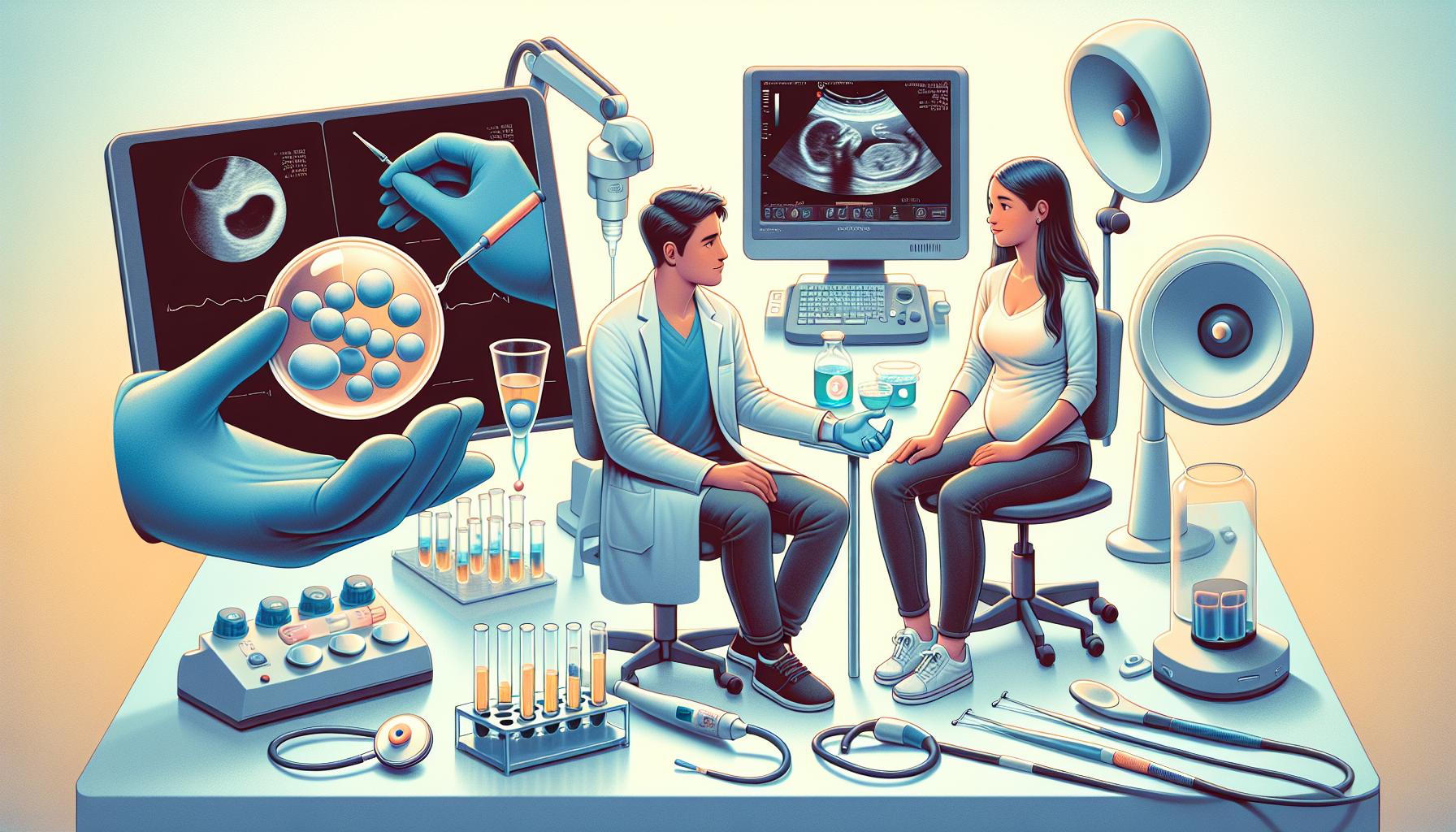
How IVF Works: A Clear Overview
In the journey toward parenthood, in vitro fertilization (IVF) stands out as a beacon of hope for many facing challenges with fertility. This innovative process allows couples and individuals to have a chance at conception when traditional methods may not suffice. At its core, IVF involves a series of carefully orchestrated steps that enhance the likelihood of successful fertilization and implantation of an embryo, culminating in pregnancy.
The IVF process begins with ovarian stimulation, where hormones are administered to encourage the ovaries to produce multiple eggs, rather than the single egg typically released during a natural cycle. This step is crucial because it increases the chances of obtaining viable embryos. Following stimulation, the next phase is egg retrieval, where a minor surgical procedure is performed to collect the eggs from the ovaries. Using ultrasound guidance, a thin needle is inserted into the ovaries to retrieve the mature eggs, ensuring minimal discomfort for the patient.
Once the eggs are retrieved, they are placed in a laboratory setting where fertilization occurs. This can happen either through conventional insemination-where sperm is introduced to the eggs-or through techniques like intracytoplasmic sperm injection (ICSI), where a single sperm is injected directly into an egg. Subsequently, the fertilized eggs develop into embryos, progressing through various stages until they reach a viable stage suitable for transfer. This is followed by the embryo transfer, where one or more embryos are carefully placed into the woman’s uterus, ideally leading to implantation and pregnancy.
Throughout this intricate process, emotional support is vital. Patients often experience a rollercoaster of feelings-hope, anxiety, and sometimes disappointment if things don’t go as planned. It’s essential to honor these emotions and recognize that they are a natural part of the fertility journey. Many clinics offer counseling services and support groups to help individuals and couples navigate these complex feelings, ensuring they don’t have to face this journey alone.
Understanding the costs and success rates associated with IVF is also crucial. While expenses can vary widely based on geographical location and specific treatment needs, transparency about potential financial implications helps patients make informed decisions. Success rates can also depend on various factors including age and health, providing a realistic perspective on what to expect. Through every step, from initial consultation to post-transfer care, maintaining clear communication and a supportive environment fosters a sense of hope and empowerment in the journey of building a family.
Understanding Infertility: Common Causes
Infertility affects approximately 10-15% of couples trying to conceive, and understanding its root causes is crucial in the journey to parenthood. Infertility can stem from a variety of factors, often involving both partners. Acknowledging these challenges can be the first step toward seeking appropriate treatment and finding hope in still-building a family.
Several common causes of infertility are identified:
Female Factors
- Ovulatory Disorders: Conditions such as polycystic ovary syndrome (PCOS) can disrupt regular ovulation, making it difficult to conceive.
- Fallopian Tube Damage: Blockages or damage to the fallopian tubes can prevent sperm from reaching the egg or can hinder the embryo’s passage to the uterus.
- Uterine Abnormalities: Issues such as fibroids or congenital abnormalities can interfere with implantation or increase the risk of miscarriage.
- Age: A woman’s fertility naturally declines with age, particularly after the age of 35, affecting both quality and quantity of eggs.
Male Factors
- Sperm Production Problems: Low sperm count, poor motility (movement), or abnormal sperm shape can hinder successful fertilization.
- Medical Conditions: Conditions such as diabetes or hormonal imbalances can impact sperm health.
- Environmental Factors: Exposure to toxins, heavy metals, or certain medications can also affect male fertility.
Joint Factors and Unknowns
Infertility may also arise from a combination of male and female factors. Additionally, about 10-15% of infertility cases remain unexplained even after thorough testing, leading many couples to explore options like IVF, which can address specific fertility issues.
Understanding these causes not only paves the way for effective treatments, such as in vitro fertilization (IVF), but it also facilitates a compassionate approach to the emotional and psychological challenges that often accompany the fertility journey. Seeking guidance from a fertility specialist can provide clarity on the next steps and available options tailored to unique circumstances.
Step 1: Initial Consultation and Testing
The journey into in vitro fertilization (IVF) begins with the initial consultation and testing, a critical first step where hope meets clarity. Understanding your unique circumstances lays the groundwork for the treatment ahead. During this appointment, both partners will meet with a fertility specialist who will discuss medical histories, lifestyle factors, and your specific fertility concerns. This conversation isn’t just about gathering data; it’s about establishing trust and empathy, recognizing the emotional weight that often accompanies the journey to parenthood.
The testing phase can feel overwhelming, but it’s essential for identifying underlying issues that may contribute to infertility. Common tests include blood work to assess hormone levels and other indicators of reproductive health. Women may undergo ultrasound examinations to evaluate the ovaries, uterine structure, and assess for conditions like polycystic ovary syndrome (PCOS) or uterine fibroids. Men typically have semen analyses to evaluate sperm count, motility, and morphology. These tests are not simply routine; they provide valuable insights that can guide the IVF process and tailor the treatment to your needs.
It’s also important to remember that this initial stage can bring up a variety of emotions-hope, anxiety, and even grief. It’s completely normal to feel this way. Seeking support through counseling or connecting with others who are on a similar path can be incredibly beneficial. Having a clear understanding of the costs involved and potential insurance coverage options will also help ease financial anxiety, allowing you to focus on the emotional and physical journey ahead. Know that you are not alone; many have walked this path, and support is readily available to help you navigate every step along the way.
Step 2: Ovarian Stimulation Explained
The ovarian stimulation phase of in vitro fertilization (IVF) is a crucial step that sets the stage for successful egg retrieval and fertilization. During this stage, fertility medications are used to stimulate the ovaries to produce multiple eggs rather than the single egg that typically matures during a regular menstrual cycle. This process is fundamental because having multiple viable eggs maximizes the chances of creating healthy embryos, which can lead to pregnancy.
Ovarian stimulation involves the administration of hormones such as follicle-stimulating hormone (FSH) and luteinizing hormone (LH), which encourage the ovaries to develop multiple follicles. Each follicle contains an egg, and ideally, several follicles will grow large enough to be retrieved. Patients will typically undergo a series of monitoring appointments during this period. Blood tests and ultrasounds help track hormone levels and the growth of follicles, allowing the fertility specialist to adjust medication dosages as needed for optimal results.
It’s important to note that while ovarian stimulation increases the number of eggs available, it also comes with its own set of emotional and physical challenges. Patients may experience side effects such as bloating, mood swings, or discomfort, which can add layers of stress during an already sensitive journey. Recognizing these emotions is a critical part of the process. Many find it helpful to connect with support groups or engage in counseling to process the feelings that arise during treatment. Remember, it’s okay to feel a mix of hope and anxiety as you navigate this step-each follicle represents a possibility on the path to parenthood.
In terms of timing, ovarian stimulation generally lasts about 10 to 14 days, culminating in a trigger shot that prepares the follicles for retrieval. This precise timing is vital; if you have questions or concerns throughout this phase, don’t hesitate to reach out to your healthcare team. They are there to help you understand the process, keep you informed, and support you every step of the way.
Step 3: Egg Retrieval Process
The egg retrieval process is a significant milestone in the IVF journey, symbolizing both hope and a new step toward building a family. This crucial procedure typically occurs 34 to 36 hours after administering a trigger shot that primes your follicles for extraction. During egg retrieval, your body has been carefully prepared for this moment; multiple mature eggs, stimulated from the earlier phase, are now ready for collection.
The procedure itself usually takes about 20 to 30 minutes and is performed under sedation to ensure comfort. Using a thin needle guided by ultrasound, the fertility specialist will gently aspirate the eggs from each follicle in your ovaries. Anesthesia minimizes discomfort, and while some cramping can occur post-procedure, it is generally manageable with over-the-counter pain relief. It’s essential to have someone accompany you for support after the sedation, as you may feel drowsy and disoriented.
Post-retrieval, you’ll be monitored briefly before heading home. It’s important to rest and avoid strenuous activity for the rest of the day. You might experience mild side effects such as bloating or cramping, but be sure to alert your healthcare provider if you have severe discomfort, heavy bleeding, or signs of infection. Understanding these symptoms can help ease your mind during recovery.
Emotional well-being during this stage is equally important; many find themselves processing a mix of anticipation and anxiety. Connecting with supportive partners, friends, or support groups can nurture this emotional aspect. Remember, each egg retrieved represents potential-the next step toward your dream of parenthood-and while the journey may feel daunting, it’s vital to embrace the moment with hope and patience.
Step 4: Fertilization Techniques in IVF
Once the eggs are successfully retrieved, the next decisive step in the IVF process is fertilization. This vital stage is where the magic of conception happens, transforming individual eggs and sperm into embryos. There are two primary techniques that fertility specialists use for fertilization: conventional insemination and intracytoplasmic sperm injection (ICSI). Each method has distinct indications and benefits, shaping the future of the embryo development and, ultimately, the potential for a successful pregnancy.
Conventional Insemination
In conventional insemination, eggs are placed in a petri dish with a high concentration of sperm. This traditional method relies on the natural ability of sperm to penetrate the egg’s outer membrane. This technique works well when the male partner’s sperm is healthy. The sperm swim towards the eggs, and fertilization can occur naturally within a few hours. It provides a less intensive approach, potentially leading to a more natural process for couples experiencing certain types of infertility.
Intracytoplasmic Sperm Injection (ICSI)
For couples facing more complex fertility challenges, such as male factor infertility, ICSI may be the recommended technique. This advanced method involves selecting a single healthy sperm and directly injecting it into an egg using a fine needle. The precision of ICSI allows for fertilization even when sperm count is low, motility is compromised, or previous traditional attempts have failed. ICSI often increases the chances of fertilization, but it is a more invasive procedure requiring specialized skills from the embryologist.
Monitoring Fertilization
Once fertilization occurs, embryologists monitor the developing embryos closely over the following days. They look for signs of growth and division, assessing the quality of the embryos. By the third day, most embryos will have divided into several cells, and by day five, they may reach the blastocyst stage. This level of monitoring is not just routine; it provides vital information that helps guide decisions about embryo transfer or potential freezing for future cycles.
Throughout this pivotal part of the IVF journey, emotional support remains essential. It’s common to feel a mix of hope and anxiety as you await news about fertilization success. Keeping communication open with your partner, seeking support from friends or groups, and discussing feelings with your fertility specialist can significantly help manage emotional ups and downs. It’s important to celebrate the good news of fertilization while also being mindful of the entire journey ahead. Each step, while challenging, brings you closer to your ultimate goal of parenthood.
Step 5: Embryo Development Stages
The journey of embryo development is a remarkable process that transforms a single fertilized egg into a viable embryo ready for transfer. Following fertilization, embryologists closely monitor the growth and division of the fertilized egg, which undergoes several crucial stages over a period of days. For many couples navigating their fertility journey, understanding these stages can provide both insight and solace during this critical time.
Key Stages of Embryo Development
The initial stages of embryo development occur rapidly. After fertilization, the fertilized egg, now called a zygote, begins to divide through a process known as cleavage. Within the first 24 hours, you might see the first cell division, and by the third day, the embryo typically consists of around 6 to 8 cells. This stage is critical; not every fertilized egg will reach this point, highlighting the importance of embryonic health.
By day five, the embryo reaches what’s known as the blastocyst stage. A blastocyst is characterized by a fluid-filled cavity and a well-defined inner cell mass that will eventually develop into the fetus. This stage is vital because it is when the embryo prepares for implantation in the uterine wall. Many clinics aim to transfer embryos at this stage because blastocysts have a greater chance of implanting successfully.
Monitoring and Selection
Throughout this development process, embryologists assess the embryos’ quality using various criteria, including cell division rates and cell structure. They may utilize grading systems to help select the best candidates for transfer. High-quality embryos are typically those that display optimal development characteristics, which can improve the chances of a successful pregnancy.
However, it’s crucial to maintain realistic expectations. Not all embryos will develop to the blastocyst stage, and some may require cryopreservation for future attempts. Emotional support is vital as couples anticipate embryo development and contemplate the next steps. It’s a journey filled with hope, uncertainty, and the potential for joy or disappointment. Seeking community support, open discussions with partners, and fostering a relationship with your fertility specialist can help navigate these emotional waters.
Recognizing and celebrating small milestones, such as reaching the blastocyst stage or receiving updates about embryo quality, can make the process feel more manageable and hopeful. Every step, regardless of the outcome, is part of the path to parenthood, and understanding these stages aids in fostering a sense of control and confidence during the journey.
Step 6: Embryo Transfer Procedure
The embryo transfer procedure represents a pivotal moment in the IVF process, where hope and anticipation converge. Many couples find themselves filled with a blend of excitement and nerves as they approach this crucial step. During embryo transfer, a previously selected and viable embryo is placed into the uterus, with the aim of achieving a successful pregnancy. Understanding what to expect during this procedure can help alleviate some anxiety and foster a sense of empowerment.
Timing of the Transfer
Embryo transfer typically occurs three to five days after egg retrieval, depending on how the embryos are developing. In some cases, transfer at the blastocyst stage (day five) is preferred because embryos at this stage have a higher chance of implanting successfully. Prior to the transfer, your fertility specialist will evaluate the embryos’ quality and select the best candidate based on their development.
The Procedure Itself
The embryo transfer is a quick and generally painless procedure. Here’s how it unfolds:
- Preparation: You will be asked to lie down comfortably, and a speculum will be inserted into the vagina to allow access to the cervix.
- Embryo Loading: The selected embryo is drawn into a thin catheter, ensuring the utmost care to maintain its integrity.
- Transfer: The doctor gently inserts the catheter into your uterus through the cervix. Once positioned properly, the embryo is released into the uterine cavity.
- Post-Procedure: Following the transfer, you will be asked to rest briefly as your doctor may recommend remaining lying down for a short period to promote relaxation.
Many women may experience slight cramping or spotting after the procedure, both of which are generally normal. However, your medical team will provide specific post-procedure care instructions, including any necessary medications to support the implantation process.
Emotional Considerations
The embryo transfer is not merely a medical procedure; it is often an emotional milestone. Couples may experience a rollercoaster of emotions, from joy to apprehension as they await results. It is important to acknowledge these feelings, as they are entirely valid. Connecting with supportive friends, family, or even support groups can provide comfort during this uncertain time. Additionally, consider discussing any concerns or anxieties with your fertility specialist, who can offer reassurance and guidance throughout your journey.
In summary, the embryo transfer is an exciting yet emotionally charged step in the IVF process. By understanding the procedure and its implications, individuals can approach this moment with confidence and clarity. Each milestone along the way brings you closer to your family-building goals, and remember to celebrate the small victories, no matter how daunting the journey may feel.
Step 7: Post-Transfer Care and Support
The moments after your embryo transfer are often filled with a mix of hope and trepidation. It’s a crucial period that can significantly influence your journey toward parenthood. During this time, understanding what steps to take and how to care for yourself can be vital to both emotional and physical well-being.
Physical Care
After the transfer, it’s essential to listen to your body. Most healthcare providers recommend taking it easy for at least a few days, allowing your body to adjust and supporting potential implantation. Here are some practical steps to consider:
- Rest: While complete bed rest is generally not necessary, light activities are encouraged. Avoid vigorous exercise or heavy lifting during the first few days.
- Hydration and Nutrition: Stay well-hydrated and focus on a balanced diet rich in vitamins and minerals to support your body’s needs.
- Avoiding Hot Baths and Saunas: These may affect your body temperature and thus are best avoided in the first few weeks following the transfer.
Your doctor may also prescribe medications, such as progesterone, to support the pregnancy, and it’s crucial to adhere to this regimen without interruption.
Emotional Support
The emotional landscape post-transfer can be rocky. Many individuals and couples experience a wide range of feelings-excitement, anxiety, and even fear-while waiting to see if the embryo implants successfully. Establishing a support system can be incredibly beneficial during this time:
- Connecting with Others: Engaging with community groups or talking to friends and family who understand or have undergone similar experiences can provide comfort and validation.
- Mindfulness and Relaxation: Activities such as meditation, yoga, or gentle breathing exercises can help manage stress levels and promote a feeling of calm.
- Professional Guidance: Consider seeking support from a therapist or counselor, especially if you find it difficult to cope with the emotional rollercoaster.
Remember, it’s entirely normal to experience a spectrum of emotions during this waiting period. Acknowledging these feelings without judgment is essential for your mental health.
Monitoring for Symptoms
As you await the pregnancy test, remain mindful of any unusual symptoms. Light cramping or spotting can be common and may not always indicate failure; however, monitoring your body for any signs of complications, like severe pain or heavy bleeding, is essential. Should you have any concerns, do not hesitate to contact your healthcare provider.
Navigating the post-transfer phase is undeniably challenging, but by prioritizing self-care and emotional well-being, you can lay the groundwork for adapting to the uncertainty. This period is as much about supporting your journey as it is about preparing for what lies ahead, and every small step taken is a move towards your goal of parenthood.
IVF Costs: What to Expect and Budget
The costs associated with in vitro fertilization (IVF) can be substantial, often ranging from $10,000 to $15,000 per cycle in the United States, and this estimate excludes medication and related expenses. Understanding these financial implications is crucial for anyone considering this path to parenthood. IVF is not merely a one-time expense; multiple cycles may be necessary based on individual circumstances, which can further elevate the total cost.
Breaking Down the Costs
When planning for IVF, it’s important to consider various components that contribute to the overall expense, including:
- Initial Consultation: This may involve consultations with fertility specialists, which can vary in cost but typically start around $200 to $500.
- Medications: Hormonal medications used for ovarian stimulation can significantly add to the costs, often ranging from $3,000 to $5,000.
- Monitoring and Testing: Regular blood tests and ultrasounds throughout the IVF process can total anywhere from $2,000 to $4,000.
- Procedure Fees: The IVF procedure itself is often the most expensive component, with lab fees for egg retrieval, fertilization, and embryo transfer sometimes approaching $10,000.
- Additional Options: Optional services like preimplantation genetic testing (PGT) may add an extra $2,000 to $5,000.
Overall, a complete cycle, factoring in all charges, can approach $20,000 or more.
Insurance and Financial Planning
It’s essential to check your insurance coverage, as fertility treatments are covered differently across various plans. Some may cover a portion of the IVF costs, while others might not cover it at all. Understanding your benefits can help you navigate your financial responsibilities more effectively. Many clinics also offer financing options, payment plans, and grants which can make IVF more accessible.
Finally, budgeting for IVF involves not just the monetary aspect but also the emotional investment. It’s beneficial to approach this journey with a clear financial plan while nurturing hope and resilience amid the ups and downs. Consider discussing all options with your healthcare provider to explore the most supportive approach tailored to your needs, both emotionally and financially.
Success Rates: Realistic Expectations for IVF
Understanding what to expect from in vitro fertilization (IVF) success rates can help you navigate your journey with greater clarity and hope. Each patient’s experience is unique, but age is one of the most significant factors influencing the likelihood of success. For example, women under 35 often enjoy success rates exceeding 55% for live births per cycle, while those over 40 may see rates drop to around 5% to 10% [2[2]. It’s crucial to discuss your specific situation with your fertility specialist, who can provide tailored insights based on your health and age.
Realistic expectations are essential to managing the emotional rollercoaster of IVF. While it can be discouraging to acknowledge that multiple cycles may be necessary, knowing that many people achieve their dreams of parenthood after several attempts can offer solace. Statistics show that the cumulative success rate increases with each cycle; for instance, women aged 35 and younger may achieve a live birth after three cycles of treatment as high as 75% [1[1].
It’s also important to understand that success does not have a one-size-fits-all definition. For some, success may mean achieving a pregnancy, while for others, it may encompass a live birth or healthy embryo development. Celebrating small milestones along the way can help you cope with the uncertainties and emotional challenges that often accompany fertility treatments.
Finally, approach this journey with a balance between hope and realism. While it’s natural to aspire for the best outcome, remaining aware of the possible challenges can help you cultivate patience and resilience. Consulting with your healthcare provider about potential therapies and lifestyle adjustments that may enhance your chances can empower you on this profound journey of family building.
Coping with the Emotional Journey of IVF
Navigating the emotional terrain of IVF can be as challenging as the physical aspects of the process. Many individuals and couples enter this journey filled with hope and anticipation, only to encounter a whirlwind of emotions-anxiety, sadness, frustration, and even moments of joy. Understanding that these feelings are normal and valid can help set a compassionate tone for your experience. Finding ways to build emotional resilience will ensure that you’re not just focusing on the end result, but also allowing yourself the space to process the complexities of this journey.
One effective strategy for coping during IVF is to celebrate small milestones. Whether it’s successfully completing hormone injections, having a positive egg retrieval, or even just making it to your appointment, recognizing these small victories can help maintain a sense of progress and optimism. It’s essential to have a support system, whether through friends, family, or support groups, where you can share your experiences and feelings without the fear of judgment. Connecting with others who understand your situation can foster a sense of community and ease the feeling of isolation that often accompanies infertility struggles.
Additionally, consider the importance of communication with your partner. Discussing your feelings openly can foster intimacy and understanding in a time when stress can lead to tension. Set aside time for each other to unwind and connect over activities that you enjoy, allowing yourselves some respite from the focus on fertility treatments. Mindfulness practices, such as meditation or yoga, can also be beneficial for maintaining mental clarity and emotional balance throughout the ups and downs of IVF.
Ultimately, it’s crucial to approach this journey with both a sense of hope and a grounded awareness of the realities involved. IVF is often a process that requires patience and resilience. While the path may not always be straightforward, advocating for your emotional well-being and seeking professional support when needed can empower you to navigate this profound journey with grace and dignity.
Alternative Family-Building Options to Consider
Exploring family-building options can feel overwhelming, especially when traditional routes may not be possible or may seem daunting. Fortunately, there are various paths to parenthood that can offer hope and fulfillment. Each option carries its own considerations, and understanding them can empower individuals and couples in their family-building journey.
In Vitro Fertilization (IVF)
IVF is a well-known method that involves retrieving eggs and fertilizing them with sperm in a laboratory setting. The resulting embryos are monitored for quality before being transferred into the uterus. This process often addresses a range of infertility issues, and it can also allow for genetic testing of embryos to ensure the healthiest options are selected for transfer. While IVF can be costly-averaging $12,000 to $15,000 per cycle-and does not guarantee success, it remains a popular choice for many due to its effectiveness.
Intrauterine Insemination (IUI)
IUI is a less invasive and often less expensive option than IVF. This procedure involves placing sperm directly into the uterus around the time of ovulation, offering a greater chance for sperm to reach the egg. While IUI is suitable for certain conditions like unexplained infertility or mild male factor issues, it may not be effective in cases of severe infertility.
Adoption
Adoption is a profound way to build a family, allowing individuals or couples to provide a loving home to children in need. There are different types of adoption, including domestic, international, and foster-to-adopt pathways. Each comes with its own emotional and practical challenges, as well as varying timelines and costs. It’s essential for potential adoptive parents to research and connect with reputable agencies, understanding that the emotional journey, while rewarding, may also involve navigating complex feelings of loss or uncertainty.
Donor Services
For those facing fertility challenges, using donor eggs or sperm can provide another opportunity to conceive. Egg donation involves retrieving eggs from a donor, which are then fertilized with sperm and implanted in the recipient’s uterus. This route allows individuals who may be unable to produce healthy eggs to still experience pregnancy. Sperm donation is a common option for single parents or same-sex couples. Both avenues require careful consideration of legal, ethical, and emotional aspects but can lead to successful pregnancies.
Regardless of the method chosen, it is vital to seek support from professionals, including fertility specialists and counselors, to navigate the complexities of each option. Building a family can be a deeply personal journey, and being informed about the possibilities can bring solace amid the uncertainty. As you explore these alternatives, remember to celebrate even the smallest milestones along the way, each step reflecting your resilience and hope.
FAQ
Q: What is the typical timeline for the IVF process?
A: The IVF process typically spans about 4 to 6 weeks, starting from ovarian stimulation to embryo transfer. The exact timeline can vary depending on individual health and specific protocols. For a detailed breakdown, please refer to our section on Step-by-Step IVF Treatment Timeline.
Q: What kind of tests are involved before starting IVF?
A: Before starting IVF, common tests include hormonal assays and ultrasounds to assess ovarian function, as well as semen analysis for male partners. These tests help determine the best treatment plan. Check our section on Initial Consultation and Testing for more specifics.
Q: How are embryos evaluated during the IVF process?
A: Embryos are typically evaluated based on cell division quality and morphology after fertilization. Advanced techniques like preimplantation genetic testing (PGT) may also be used to ensure chromosomal normalcy. For further details, see Embryo Development Stages.
Q: What happens if the embryo does not implant after transfer?
A: If an embryo does not implant, it may lead to a failed cycle. It’s essential to consult your fertility specialist for a thorough review and to explore options for future cycles. Resources about this can be found in our Post-Transfer Care and Support section.
Q: Is IVF painful, and what can be expected during treatments?
A: IVF may involve some discomfort, particularly during egg retrieval and injections. However, pain is often manageable with medications. Our section on Step 3: Egg Retrieval Process offers insights into what to expect.
Q: How many IVF cycles are typically needed to achieve a pregnancy?
A: On average, it may take 2 to 3 IVF cycles to achieve a pregnancy, although this varies greatly among individuals. Factors like age and health play a significant role. For more information, visit our section on Success Rates: Realistic Expectations for IVF.
Q: Can lifestyle changes affect IVF success rates?
A: Yes, lifestyle changes such as maintaining a healthy weight, avoiding smoking, and limiting alcohol can positively impact IVF success rates. For practical tips, check our Coping with the Emotional Journey of IVF section.
Q: What financial factors should I consider before undergoing IVF?
A: Major financial factors include IVF costs, potential insurance coverage, and additional expenses like medications and consultations. It’s wise to review our IVF Costs: What to Expect and Budget section for comprehensive budgeting advice.
Wrapping Up
Whether you’re just beginning to explore IVF or are already on your journey, understanding the step-by-step treatment process can empower you to make informed decisions. Remember, each step-from ovarian stimulation to embryo transfer-plays a crucial role in achieving your dream of parenthood. If you have any questions or concerns about costs, success rates, or the emotional aspects of this journey, our resources are here to help you navigate the path ahead.
Don’t miss out on our detailed articles on related fertility topics, including insemination options and managing the emotional complexities of infertility. Take the next step toward your family goals; consider scheduling a consultation with our compassionate team today. Together, we can tackle the challenges and celebrate the victories, no matter what your family-building path may be.
Join our community by signing up for our newsletter so you can stay informed and supported throughout your journey. Your questions, comments, and shared experiences are always welcome as we strive to provide a safe space for everyone navigating their fertility journey. Remember, you’re not alone in this.