Did you know that over time, certain populations of organisms can become so different from one another that they can no longer interbreed? This fascinating process, known as reproductive isolation, is a key factor in the formation of new species, or speciation. Understanding how reproductive isolation works not only sheds light on the diversity of life around us but also connects to broader concerns about biodiversity and conservation. As we explore this intricate topic, you’ll uncover the remarkable mechanisms that drive differentiation among species and the implications this has for our understanding of evolution. Join us on this journey to discover how the silent yet powerful forces of nature shape the biological world.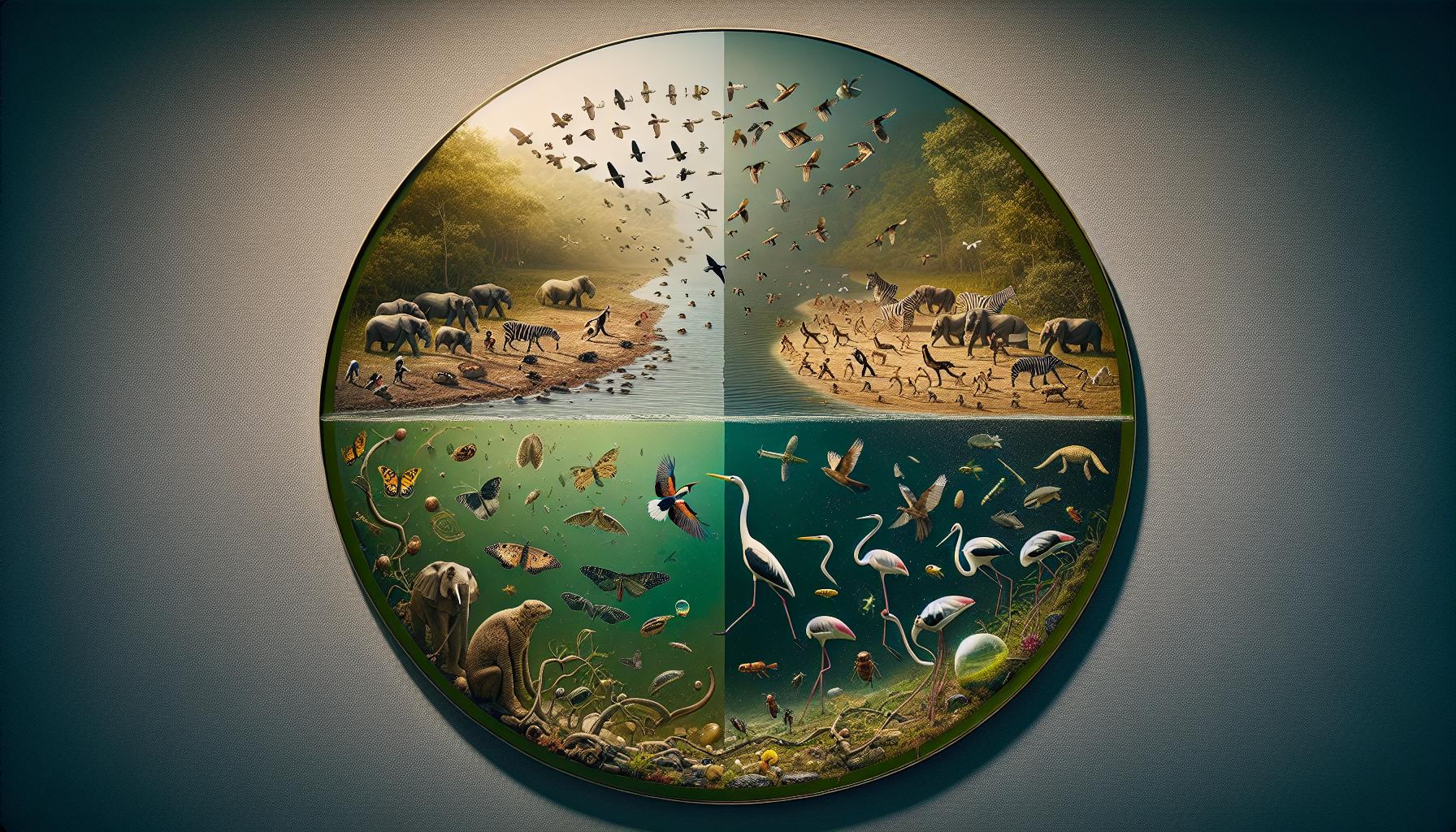
Understanding Reproductive Isolation in Evolution
Understanding reproductive isolation is crucial in the study of evolution, as it acts as a catalyst for the development of new species. Reproductive isolation occurs when different populations become unable to interbreed, leading to the divergence of evolutionary paths. This isolation can arise through various mechanisms, which may be geographical, temporal, or behavioral in nature, effectively preventing gene flow between populations.
One of the most fascinating aspects of reproductive isolation is how it empowers natural selection to drive speciation. When populations are separated and unable to exchange genetic material, they adapt to their unique environments over time. This adaptation results in the accumulation of genetic differences, which can eventually lead to the emergence of new species. For example, distinct populations of birds that live on isolated islands often evolve different songs or mating rituals, which can reinforce their separation even if they come into contact.
The implications of reproductive isolation extend beyond just the creation of new species; they significantly contribute to biodiversity. Diverse reproductive strategies foster a wide variety of life forms, which can better adapt to changing environments. Understanding these dynamics encourages conservation efforts, as it highlights the importance of maintaining habitat integrity to support diverse populations. As we explore this complex interplay between reproductive isolation and speciation, it becomes clear that these processes are fundamental to the intricate tapestry of life on Earth.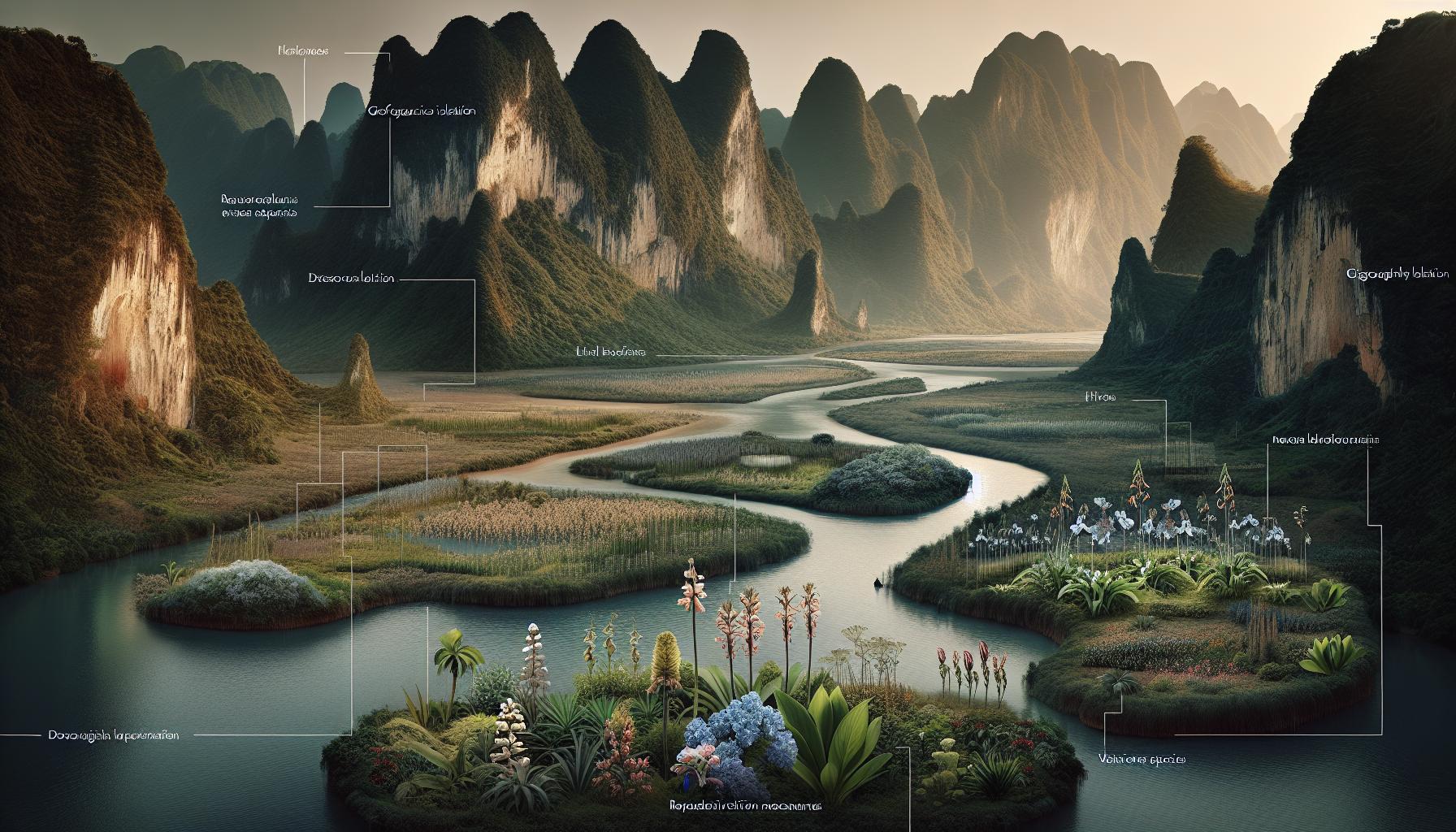
The Mechanisms of Reproductive Isolation Explained
Understanding how reproductive isolation functions is essential for grasping its role in the speciation process. Reproductive isolation occurs when populations of different species are unable to mate successfully, and it comes in several distinct forms. These mechanisms are crucial in preventing gene flow, ensuring that the evolutionary paths of different populations diverge over time.
Mechanisms of Reproductive Isolation
Reproductive isolation can primarily be categorized into two groups: prezygotic and postzygotic mechanisms. Prezygotic mechanisms prevent fertilization from occurring, while postzygotic mechanisms occur after fertilization, affecting the viability or fertility of the offspring.
- Temporal Isolation: This occurs when species breed at different times of the day, seasons, or years. For example, two species of frogs may live in the same area but mate during different seasons, creating a barrier to gene flow.
- Mechanical Isolation: In this case, physical differences hinder successful mating. Different species of flowers might have shapes that only attract specific pollinators, which prevents pollen transfer between species.
- Behavioral Isolation: Distinct mating rituals can also lead to reproductive isolation. For instance, certain species of birds may have unique songs or courtship behaviors that attract mates of the same species, preventing interbreeding.
- Gametic Incompatibility: Even if individuals of two species attempt to mate, the gametes (sperm and eggs) might not be compatible, leading to fertilization failure.
- Hybrid Inviability: If hybridization occurs, the resulting offspring may not develop properly or die shortly after birth, thus failing to reproduce and contribute to the gene pool.
- Hybrid Sterility: In some cases, hybrids may be born healthy but sterile, so they cannot reproduce. A classic case is the mule, a hybrid of a horse and a donkey.
Understanding these mechanisms helps us appreciate how significant barriers to interbreeding lead to the divergence of species. When populations become isolated, whether geographically or behaviorally, they can evolve independently, adapting to their unique environments and ultimately leading to the emergence of new species. As these populations accumulate genetic differences over time, the potential for speciation increases, enriching the biodiversity of the planet. This intricate process of reproductive isolation and speciation is vital for the ongoing evolution of life on Earth.
Types of Reproductive Isolation: A Closer Look
Reproductive isolation is a crucial component of evolutionary biology, as it lays the groundwork for speciation by preventing gene flow between different populations. Enhancing our understanding of the specific mechanisms through which reproductive isolation operates can help clarify how these processes contribute to the formation of new species over time.
One of the primary categories of reproductive isolation is prezygotic isolation, which occurs before fertilization. This category encompasses several mechanisms that prevent mating or fertilization between species. For instance, temporal isolation is where species reproduce at different times, such as different seasons or times of the day, thereby reducing the chances of interbreeding. Mechanical isolation arises from physical differences that prevent successful mating, such as incompatible reproductive organs. Behavioral isolation includes variations in mating rituals and behaviors; for example, distinct courtship dances or signals unique to a species can attract mates of the same species while deterring others. Another important mechanism is gametic incompatibility, where even if mating occurs, the sperm and egg of different species are unable to fuse and result in fertilization.
Following fertilization, postzygotic isolation mechanisms come into play. Hybrid inviability occurs when hybrid offspring do not develop properly or die shortly after birth, failing to reach reproductive maturity. Hybrid sterility is observed when hybrids are born healthy but are sterile, such as the mule, which is a cross between a horse and a donkey-this animal cannot produce offspring of its own. Each of these mechanisms reinforces the separation between species, promoting divergent evolution by ensuring that gene flow remains limited.
Understanding these types of reproductive isolation mechanisms illuminates the avenues through which species can evolve independently, adapting to their environments in unique ways. The cumulative genetic differences that arise from these separations ultimately lead to the rich tapestry of biodiversity we see in the natural world today. As populations continue to adapt and evolve, they forge distinct paths, showcasing the profound significance of reproductive isolation in the grand narrative of evolution.
How Reproductive Isolation Drives Speciation
Reproductive isolation serves as a foundational mechanism in the process of speciation, allowing populations to diverge genetically over time. When reproductive barriers arise, gene flow between groups is hindered, leading to the accumulation of genetic differences. These differences can manifest in various forms, such as adaptations to different environments or changes in mating behaviors, ultimately resulting in the formation of distinct species.
One striking example of is found in the case of Darwin’s finches on the Galápagos Islands. Each finch species evolved unique beak shapes and sizes that correspond to their specific dietary needs and environmental niches. Due to geographic isolation and differences in mating calls and behaviors, these birds have adapted to their unique habitats without interbreeding. As a result, the finches exemplify how reproductive isolation facilitates divergent evolution, allowing for the emergence of new species tailored to specific ecological roles.
Additionally, as populations adapt to different environments, natural selection can further reinforce reproductive barriers. For instance, in plants, variations in flowering times (temporal isolation) can lead to speciation. If two populations of a flowering plant bloom at different times of the year, they will be less likely to cross-pollinate, thus preventing hybridization. Over time, these differences can lead to the development of distinct species that are poorly adapted to mate with one another, solidifying their separation.
In the grand scheme of evolution, reproductive isolation maintains the integrity of species by preventing gene flow that could blur adaptations vital for survival. This process not only fuels the diversity of life but also enhances ecological resilience, as each unique species plays a specific role within its environment. Through this lens, reproductive isolation is not just a barrier; it is a catalyst for the rich diversity observed in the natural world today, continually shaping the evolutionary narrative.
Examples of Reproductive Isolation in Nature
In the complex tapestry of life, reproductive isolation serves as a remarkable mechanism that drives the formation of new species, showcasing nature’s ability to adapt and diversify. One of the most famous illustrations of this phenomenon can be seen in the varied species of Darwin’s finches in the Galápagos Islands. Each species has developed distinct beak shapes and sizes that allow them to exploit different food sources. This adaptive specialization has occurred largely due to geographic and behavioral isolation, where each finch species has evolved unique mating calls and preferences, thereby preventing interbreeding. As a result, the finches stand as a testament to how reproductive isolation can lead to a plethora of species, finely tuned to their specific ecological roles.
Another striking example is seen in the case of the eastern and western meadowlarks, two closely related species of birds that share similar habitats but are reproductively isolated through auditory signals. While their ranges overlap, they have distinct songs that are crucial for mating calls, leading to a situation where one species does not recognize the other as a potential mate. This behavioral isolation reinforces genetic divergence and enhances the probability of speciation since individuals successfully mate only within their species.
Plants also exhibit fascinating forms of reproductive isolation. Consider the case of the monkey flower, which showcases both temporal and ecological isolation. Different populations of monkey flowers may flower at unique times throughout the growing season (temporal isolation), or they may adapt to specific habitats that prevent cross-pollination with neighboring populations. Such isolation mechanisms not only prevent hybridization but ultimately influence the genetic trajectories of these plants, allowing them to evolve into distinct species adapted to their environments.
In aquatic environments, the cichlid fish of African lakes provide another vivid example. Over 500 species have evolved in Lake Malawi alone, largely due to sexual selection driven by female mate choice based on male coloration and courtship behaviors. The females have evolved preferences for specific male color patterns, which vary among species residing in the same habitat. Such preferences lead to reproductive isolation, as males that do not possess the favored traits find it difficult to attract mates from different species.
The examples above illustrate how reproductive isolation acts as a key player in the evolution of biodiversity. It comes in various forms – from geographic and temporal to behavioral isolation – and each contributes uniquely to the evolutionary narrative by fostering conditions that allow new species to emerge and thrive in diverse ecological niches.
The Role of Environmental Factors in Speciation
The intricacies of environmental factors in the process of speciation highlight the dynamic interplay between organisms and their habitats. Environmental changes can drive species to adapt to new conditions, leading to reproductive isolation that fosters the emergence of new species. For instance, variations in climate, geographical barriers, and availability of resources create selective pressures that influence how populations evolve over time.
One captivating illustration of this is the adaptive radiation observed in the cichlid fish of African lakes. In the isolated environments of lakes, cichlids diversified into over 500 species, each adapted to specific niches. Factors such as water chemistry, depth, and food availability played vital roles in shaping their physical and behavioral traits, which ultimately facilitated reproductive isolation. As females learned to select males based on coloration and courtship displays specific to their ecological niche, interbreeding decreased dramatically, reinforcing their separate identities.
Geographical Influence
Geographical barriers are often critical in promoting reproductive isolation. When populations of a species become separated by physical barriers such as mountains, rivers, or oceans, they can no longer interbreed. Over time, these separated populations adapt to their unique environments. An iconic example is the evolution of Darwin’s finches in the Galápagos Islands, where varying food sources prompted beak adaptations that diverged significantly between species. Such adaptations not only fulfill ecological roles but also lead to distinct mating behaviors, thus preventing interbreeding among the different finch species even when they inhabit the same island.
Impact of Habitat
Different habitats can also impose various selective pressures that contribute to speciation. For example, within plant species, variation in pollinator availability can lead to morphological changes in flowers, which enhance pollination efficiency for specific pollinators. The monkey flower exemplifies this phenomenon; populations flowering at different times or adapting to distinct soil types may prevent cross-pollination, fostering reproductive isolation that allows each population to evolve independently into a new species.
Environmental factors create a backdrop against which natural selection operates, shaping the mechanisms of reproductive isolation. An understanding of these relationships not only elucidates the pathways of speciation but underscores the delicate balance within ecosystems, reminding us how interconnected and responsive nature is to change. This knowledge can stimulate a deeper appreciation for biodiversity and the importance of habitat conservation in supporting the intricate processes that lead to the emergence of new species.
Implications of Speciation for Biodiversity
The emergence of new species through reproductive isolation has profound implications for biodiversity, fundamentally shaping the intricate tapestry of life on Earth. As populations diverge and adapt to their unique environments, they not only contribute to the overall variety of species but also enhance the ecological resilience of ecosystems. This diversification fosters a range of interactions among species, creating complex relationships that can lead to symbiosis, competition, and mutualism, all essential for ecosystem stability.
A prime example of this impact is seen in the myriad of pollinator interactions that arise as flowering plants evolve in response to specific pollination needs. For instance, when plants adapt to attract certain pollinators, such as bees or hummingbirds, new species of plants emerge that may rely exclusively on those pollinators, thus forming a critical link in food webs. This specialization increases the richness of plant and animal species within an ecosystem, leading to enhanced functional diversity that supports greater resilience to environmental changes.
Moreover, speciation driven by reproductive isolation can serve as a buffer against extinction events. Ecosystems with higher biodiversity often exhibit greater stability, as diverse species can fulfill similar ecological roles. This redundancy means that if one species faces decline or extinction, others may step in to fill that ecological niche. For instance, various bird species may occupy similar dietary niches, and if one species declines, others can maintain the balance within that ecosystem. Consequently, the process of speciation not only enriches biodiversity but is a crucial factor in sustaining ecological integrity.
Encouragingly, understanding the mechanisms behind reproductive isolation and speciation can bolster conservation efforts. By recognizing the delicate relationships between species and their environments, conservationists can better strategize efforts to protect critical habitats and reduce the impacts of habitat fragmentation. Emphasizing the importance of preserving genetic diversity within populations aids in maintaining healthy ecosystems capable of adapting to ongoing environmental challenges.
Recognizing the significance of speciation in enhancing biodiversity underscores the interconnectedness of all life forms and emphasizes the need for a holistic approach to conservation that includes protecting both species and their habitats. Such knowledge can inspire collective action to safeguard our planet’s rich biological heritage for future generations.
Common Misconceptions About Speciation
Many people assume that speciation is a rapid process, happening almost overnight when species become separated. However, this misconception overlooks the gradual nature of evolutionary change. Speciation is often an extensive and intricate journey marked by both genetic shifts and environmental impacts over long periods. For instance, reproductive isolation mechanisms can lead to speciation only after numerous generations of divergence, where differences accumulate in populations due to varying selection pressures.
Another common misunderstanding is that reproductive isolation occurs only after physical separation of populations. While geographic isolation can indeed lead to speciation, it’s not the sole pathway. Reproductive isolation can also arise through ecological factors, where two species occupy different habitats within the same region, or through temporal barriers, where species reproduce at different times. These nuanced mechanisms underscore the complexity of evolutionary processes and how they can facilitate the creation of new species without the necessity of physical barriers.
It’s also important to clarify that speciation does not equate to perfection or superiority of one species over another; rather, it reflects adaptation to specific environments. Each new species is well-suited to its niche, and one species is not inherently ‘better’ than another. For example, the diversification of Darwin’s finches on the Galápagos Islands illustrates how similar birds adapted to different ecological niches, leading to various forms that serve different roles in their ecosystem.
Understanding these misconceptions helps foster a deeper appreciation for the intricate dance of life on Earth. By recognizing the gradual and varied pathways through which species evolve, we cultivate a more profound respect for biodiversity and the delicate balances that sustain ecosystems. Whether these changes occur over millennia or are influenced by immediate environmental shifts, the story of life is enriched by each unique evolutionary journey.
The Relationship Between Reproductive Isolation and Genetic Drift
Genetic drift plays a critical role in the process of speciation, especially when combined with mechanisms of reproductive isolation. This phenomenon of random allele frequency changes can have profound implications for isolated populations. In small populations, genetic drift can lead to significant changes over generations due to chance events, potentially resulting in the emergence of distinct genetic traits that differentiate populations from one another.
When a population becomes reproductively isolated, whether from geography, behavior, or other factors, gene flow between the groups ceases. This lack of exchange leads to genetic divergence, where the isolated population undergoes changes that can be exacerbated by genetic drift. Over time, as these populations accumulate genetic differences, they may reach a point where they are no longer able to interbreed even if they come back into contact, solidifying their status as separate species.
Examples of Genetic Drift and Speciation
Consider a scenario where a small group of squirrels is separated from the main population by a mountain range. This geographically isolated group might undergo genetic drift due to its small size, leading to unique traits that gradually differ from the main population. As generations pass, factors such as a founder effect-where a small group colonizes a new area-can magnify these differences. If they develop traits that are incompatible with the original population, such as differing mating calls or timing of reproduction, reproductive isolation will become more pronounced, driving speciation.
In addition to geographic barriers, environmental factors can also influence genetic drift within isolated populations. For example, if a subset of a plant species adapts to different soil types or climates, these plants might evolve distinct characteristics. Over time, natural selection acting on these traits, coupled with genetic drift and isolation, enhances reproductive barriers, making it less likely for these populations to interbreed.
The interaction between reproductive isolation and genetic drift underscores the complexity of evolutionary processes. It highlights how chance events can have lasting impacts on biodiversity, fostering a rich tapestry of life adapted to varied environments. This interconnectedness is essential for understanding the evolutionary pathways that lead to the emergence of new species, reminding us that the journey of evolution is both intricate and unpredictable.
Future Research Directions in Reproductive Isolation and Speciation
Understanding the nuances of reproductive isolation can unlock some of the most fascinating mysteries of evolution. As researchers delve deeper into the interconnections between reproductive isolation and speciation, several promising areas for future inquiry emerge. These research directions not only reveal potential pathways to discovering new species but also enhance our comprehension of biodiversity as a whole.
One key area of exploration is the genetic and environmental factors that contribute to reproductive isolation. For instance, researchers are increasingly studying how local adaptation to environmental conditions-such as altitude, soil composition, or climate-can drive reproductive barriers. By observing populations of organisms that have adapted differently to similar habitats, scientists can gather significant data on how environmental pressures influence reproductive traits and the overall speciation process. Understanding these mechanisms can also inform conservation efforts, as preserving unique habitats may be crucial in maintaining distinct species.
Another exciting avenue involves the study of behavioral isolation, where mating rituals or preferences diverge among populations. Future research could focus on how factors like auditory signals in birds or pheromonal communication in insects create barriers to interbreeding. Analyses using advanced technologies such as genetic tracking and behavioral modeling offer insights into these processes. This could help decipher not only how species evolve but also how they might adapt in the face of environmental changes or human interventions.
Furthermore, interdisciplinary approaches combining genetics, ecology, and evolutionary biology could provide a more holistic understanding of speciation. For example, using genomic technologies to map genetic variations associated with reproductive isolation while simultaneously assessing ecological interactions may reveal intricate patterns that drive speciation hidden beneath the surface. This integrated approach could enhance predictive models, allowing scientists to anticipate how species might respond to rapidly changing environments.
Incorporating citizen science can also enrich future research directions. Engaging the public in biodiversity monitoring initiatives allows for a wider collection of data regarding species interactions and isolation. Citizen-driven observations and recordings can be especially fruitful in remote regions, contributing to a more comprehensive understanding of how reproductive isolation shapes the evolutionary landscape.
As we stand on the brink of new discoveries in the realm of reproductive isolation and speciation, these research directions not only promise deeper insights into evolutionary mechanisms but also emphasize the critical importance of biodiversity. Each step taken in unraveling the complexities of these processes brings us closer to appreciating the rich tapestry of life that surrounds us.
How Humans Impact Reproductive Isolation and Speciation
Human activities significantly impact reproductive isolation and, consequentially, the processes of speciation. As we accelerate habitat destruction, climate change, and the introduction of invasive species, the delicate balance of ecosystems is disrupted, greatly influencing how species interact and reproduce. For instance, urban development can fragment habitats, leading to isolated populations that may evolve independently over time-a phenomenon that plays a critical role in the formation of new species.
Habitat Alteration
Modifications to the environment, such as deforestation or wetland drainage, can create physical barriers that restrict gene flow between populations of a species. As these groups adapt to their new, isolated environments, they develop unique traits that can eventually lead to reproductive isolation. For example, the construction of roads can separate animal populations, leading to differences in mating behaviors and technologies, which may strengthen reproductive barriers over generations.
Climate Change
Shifting climate factors, like temperature changes and altered precipitation patterns, can create new challenges for species, leading to different evolutionary paths. Species may adapt to changing conditions in their specific environments, leading to phenological changes, such as shifts in breeding seasons or reproductive timing. These changes can cause populations that were once able to interbreed to become reproductively isolated. A key case study includes various plant species that have become misaligned in their flowering times due to climate change, leading to reduced cross-pollination opportunities.
Invasive Species
The introduction of non-native species often disrupts established communities, leading to competition for resources and new predation pressures. This can alter reproductive strategies among native species. For instance, invasive plants can change the habitat and food availability, forcing native pollinators to adapt in their foraging behaviors, sometimes resulting in reproductive isolation from populations that do not adapt.
Furthermore, it’s vital to acknowledge the roles of human-mediated genetic changes, such as selective breeding and genetic engineering, which can create new forms within a species that diverge significantly from their wild relatives. Although these practices can be aimed at improving resilience or productivity, they can also threaten the genetic integrity of wild populations and disrupt natural selection processes, resulting in unexpected consequences for speciation.
In conclusion, the human impact on reproductive isolation is multifaceted, encompassing habitat alteration, climate change, the introduction of invasive species, and genetic changes. Understanding these effects is essential not just for conservation efforts but also for maintaining the biodiversity that is crucial for a healthy planet. By recognizing our role in these processes, we can work towards strategies that support both human development and the natural world.
Faq
Q: What is reproductive isolation and how does it lead to speciation?
A: Reproductive isolation prevents different species from interbreeding. This isolation occurs through mechanisms such as temporal, behavioral, and mechanical barriers. As these groups evolve separately, genetic differences accumulate, leading to speciation, where new, distinct species emerge. For more on this, check the section on how reproductive isolation drives speciation.
Q: What are the different types of reproductive isolation mechanisms?
A: The main types of reproductive isolation include prezygotic mechanisms-like habitat, temporal, behavioral, and mechanical isolation-and postzygotic mechanisms, such as hybrid inviability and infertility. These mechanisms ensure that species remain genetically distinct. Refer to the types of reproductive isolation section for detailed explanations.
Q: How do environmental factors influence reproductive isolation?
A: Environmental changes can create barriers to gene flow, promoting reproductive isolation. For example, geographical shifts or climate changes may lead to new habitats where differing species can evolve independently, affecting their mating behaviors. Explore the role of environmental factors in speciation for deeper insights.
Q: Can reproductive isolation occur without physical barriers?
A: Yes, reproductive isolation can arise from non-physical barriers such as differences in mating seasons (temporal isolation) or specific courtship behaviors (behavioral isolation). These are key components for driving speciation without geographical separation. For more examples, see the section on examples of reproductive isolation in nature.
Q: What is the significance of hybrid inviability in the context of speciation?
A: Hybrid inviability refers to the failure of hybrid offspring to develop properly or survive. This postzygotic isolation mechanism reinforces speciation, as it prevents the merging of species’ gene pools, allowing for the continuation of distinct evolutionary paths. More detailed information can be found in the section on postzygotic mechanisms.
Q: How does genetic drift relate to reproductive isolation and speciation?
A: Genetic drift can intensify the effects of reproductive isolation by randomly changing allele frequencies within isolated populations. Over time, this can lead to significant genetic divergence, further driving speciation. Consult the relationship between reproductive isolation and genetic drift for a comprehensive outlook.
Q: Why is understanding reproductive isolation important for biodiversity?
A: Understanding reproductive isolation is crucial as it underpins the process of speciation, contributing to the richness of biodiversity. By creating and maintaining species diversity, it helps ecosystems remain resilient. Explore the implications of speciation for biodiversity for a full understanding of its importance.
Q: How do humans impact reproductive isolation and speciation?
A: Human activities, such as habitat destruction and climate change, can disrupt natural processes of reproductive isolation, potentially leading to the endangerment or extinction of species. Awareness of human impacts is essential for conservation efforts. Learn more in the section on how humans impact reproductive isolation and speciation.
Wrapping Up
Understanding how reproductive isolation leads to speciation is crucial for grasping evolutionary biology’s intricate mechanisms. By recognizing the seven key mechanisms-such as temporal, behavioral, and mechanical isolation-you can appreciate how species evolve separately over time, shaping the biodiversity we observe today. Don’t miss the opportunity to deepen your knowledge; explore our related articles on genetic diversity and the factors influencing speciation.
Ready to learn more about the fascinating world of evolution? Subscribe to our newsletter for the latest insights and discoveries, or check out our resource guides on reproductive strategies and ecological adaptations. Share your thoughts in the comments below-your perspective is vital in enhancing our community’s understanding of these essential concepts. Together, let’s unravel the marvels of life on Earth!
Get our latest guides, news, and insights highlighted in your Google Search & AI Overviews.