Did you know that sexual reproduction is a key driver of genetic diversity in the natural world? This fascinating process leads to offspring with unique combinations of genes, setting the stage for adaptation and survival. Understanding how sexual reproduction enhances genetic variation is especially important for those navigating fertility journeys, as it reminds us of the beautiful complexity of life. By mixing genetic material from two parents, sexual reproduction not only influences the traits of future generations but also strengthens the resilience of species against changing environments. Embracing this knowledge can provide hope and insight to anyone considering their family-building options. Join us as we explore the vital role sexual reproduction plays in fostering genetic diversity, and how this can impact your own experiences and aspirations.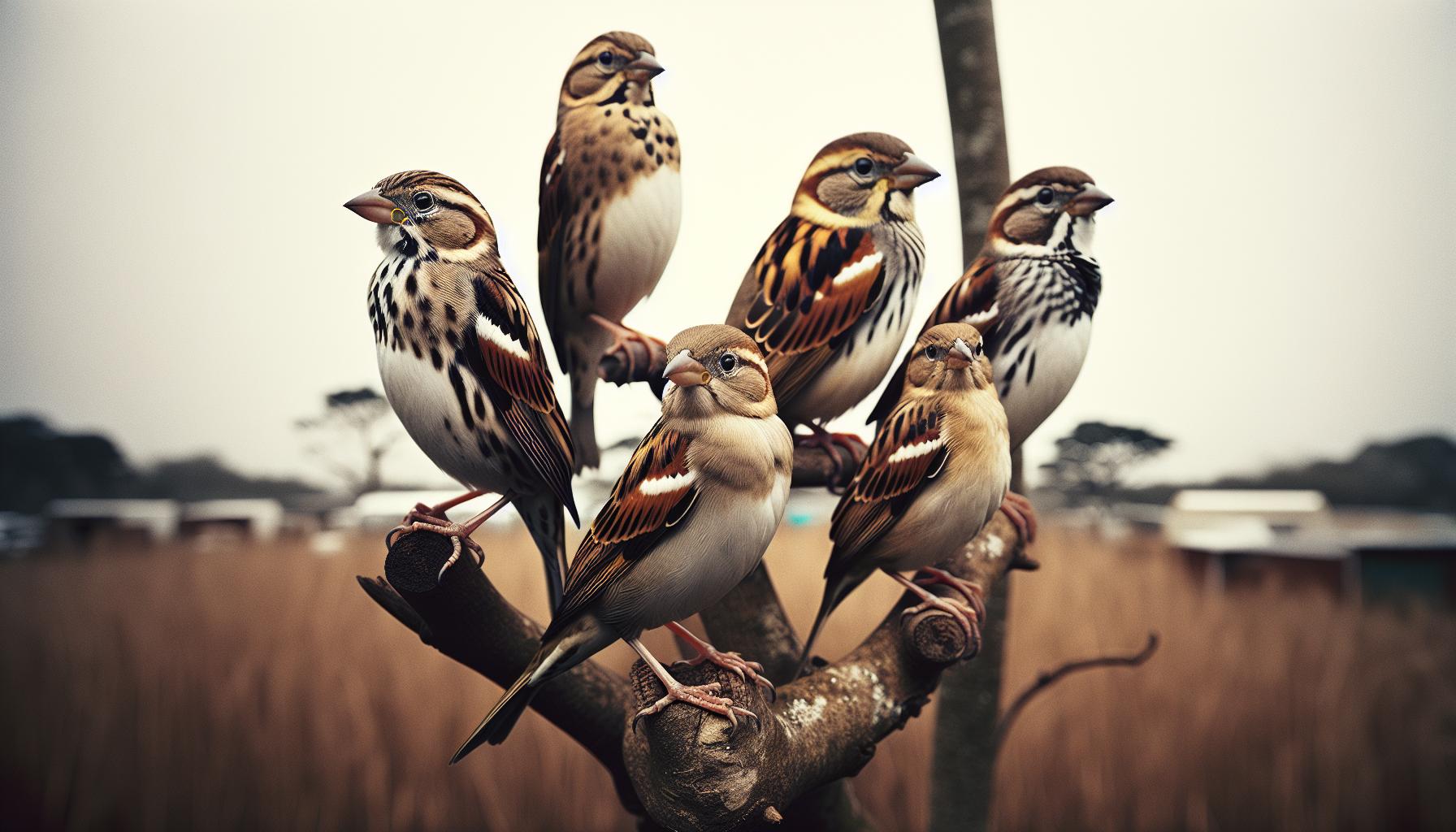
Understanding Genetic Variation in Species
In the intricate tapestry of life on Earth, genetic variation is a fundamental concept that underpins the very essence of evolution and adaptation. Genetic variation refers to the diversity in gene frequencies among individuals within a species, a phenomenon that plays a critical role in natural selection and the survival of species. In sexually reproducing organisms, this genetic variation is predominantly achieved through the processes of recombination and assortment during the formation of gametes.
When organisms reproduce sexually, they combine genetic material from two parents, resulting in offspring that possess a unique combination of genes. This process begins with meiosis, where the parent cells undergo two rounds of cell division to produce haploid gametes. During meiosis, homologous chromosomes exchange segments of DNA through a process known as crossing over. This exchange not only shuffles genetic material but also creates new allele combinations, contributing to the genetic pool of the population.
Why is this important? Genetic variation enables populations to adapt to changing environments. For instance, when a pathogen strikes, genetic diversity within a population can ensure that some individuals have the resistance needed to survive and reproduce. Without this variability, species may face a higher risk of extinction, especially when confronted with environmental changes or new diseases.
Furthermore, natural selection works on this variational landscape, favoring individuals with advantageous traits while filtering out those less suited to survive. The continuous cycle of mutation, genetic recombination, and natural selection hence facilitates an ever-evolving tapestry of life, crucial for long-term sustainability and adaptation in a dynamic environment. Understanding genetic variation not only illuminates the complexities of biological diversity but also reminds us of the delicate balance that sustains life on our planet.
The Role of Sexual Reproduction Explained
Sexual reproduction is a fascinating biological process that brings together genetic material from two distinct parents, leading to a rich tapestry of genetic diversity in their offspring. This method of reproduction is not just about merging DNA; it’s about ensuring that the next generation has a unique combination of traits that may allow them to thrive in a wide range of environments. One of the most significant ways sexual reproduction increases genetic variation is through the processes of meiosis and fertilization.
During meiosis, a specialized type of cell division, genetic material is shuffled and recombined. This results in gametes-sperm and eggs-that are not identical to either parent but rather a blend of both. This genetic recombination occurs through mechanisms such as crossing over, where homologous chromosomes exchange segments of DNA. This shuffling leads to new allele combinations, enhancing the genetic diversity of a population. Additionally, the random assortment of chromosomes during gamete formation ensures that each gamete carries a different genetic make-up, further increasing the potential for varied traits in the offspring.
Once fertilization occurs, it combines the genetic material from two parents, resulting in a genetically unique individual. This unique combination of genes is crucial for several reasons. Firstly, it enhances the adaptability of a species. For example, in a changing environment-such as one with new diseases-genetic diversity provides a better chance that some individuals will possess traits that allow them to survive and reproduce. This natural selection process is fundamental to evolution, as it helps populations adapt over generations.
Moreover, sexual reproduction can help avoid the accumulation of harmful mutations that might occur in asexual reproduction, where offspring are clones of the parent. By mixing genes, sexual reproduction helps to purge deleterious mutations from a population, maintaining overall genetic health. The resultant diversity not only strengthens a population’s resilience to environmental stresses but also fuels the engine of evolution itself, bringing forth new traits that can lead to the emergence of new species.
In summary, the role of sexual reproduction in increasing genetic variation is pivotal. Through meiosis and fertilization, it creates a rich genetic pool, which enhances adaptability and evolutionary potential in constantly changing environments. This dynamic process underlines the importance of genetic diversity in sustaining life on Earth.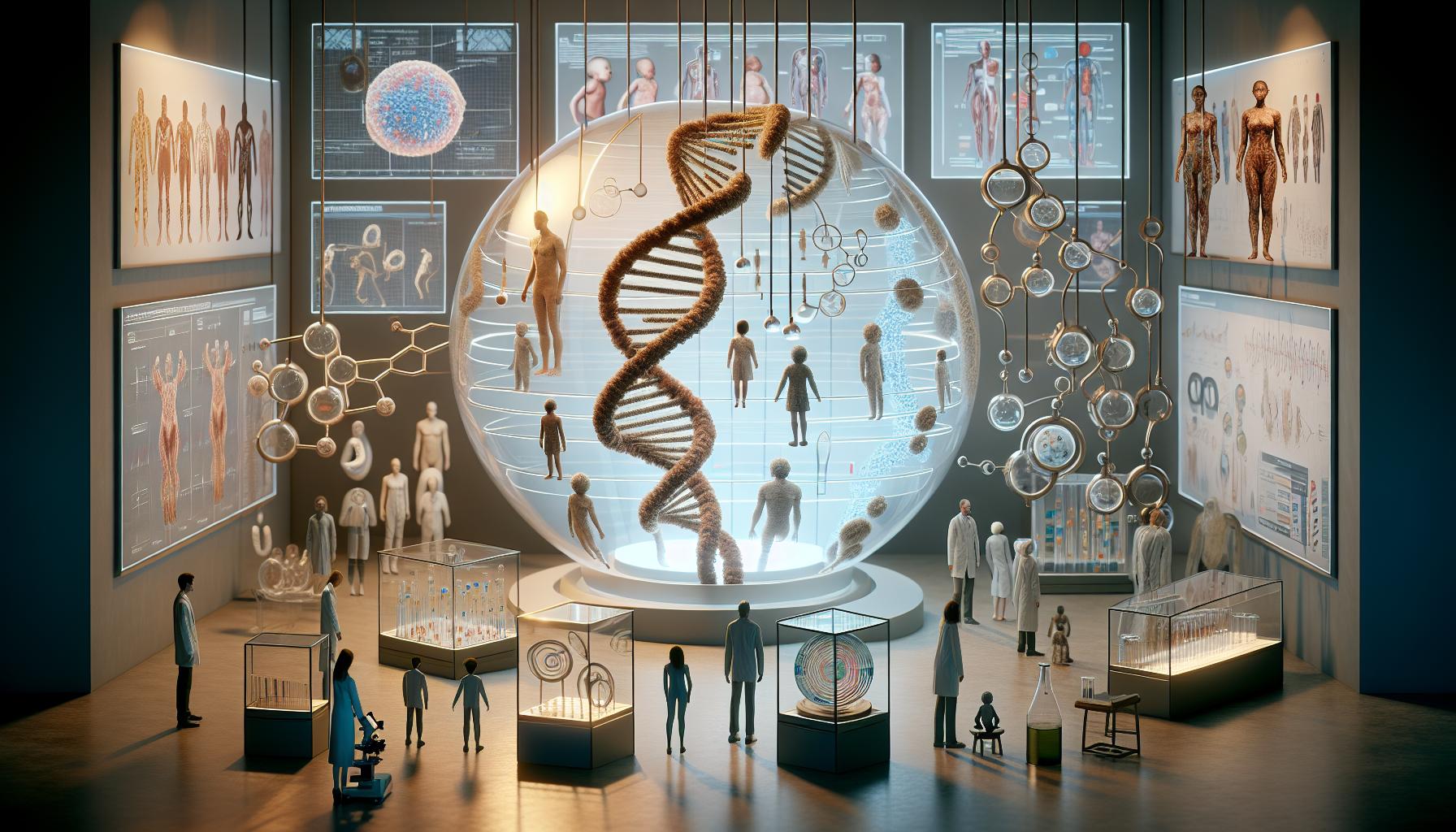
Mechanisms of Genetic Mixing in Offspring
During the process of sexual reproduction, the blending and reshuffling of genetic material occurs through intricate mechanisms that fundamentally enhance genetic variation in offspring. This dynamic interplay involves several key processes that ensure each individual born carries a unique genetic signature, contributing to the overall adaptability and resilience of a population.
One of the primary mechanisms responsible for genetic mixing is meiosis, a specialized form of cell division that produces gametes-sperms and eggs. During meiosis, homologous chromosomes exchange segments in a process called crossing over. This exchange not only mixes the genetic information from both parents but also creates new combinations of alleles. The effect of crossing over is profound, leading to offspring that may possess traits that neither parent exhibited. Furthermore, during the formation of gametes, the random assortment of chromosomes adds another layer of diversity, as different combinations of maternal and paternal chromosomes are packaged into gametes, resulting in a vast potential for varied traits among offspring.
Once gametes unite during fertilization, the mixing of genetic material reaches its final stage. The sperm and egg fuse to form a zygote, which contains a complete set of chromosomes-half from each parent. This not only culminates in the creation of a genetically unique individual but also initiates a cascade of developmental processes that will ultimately lead to a new organism. The combination of genes inherited from both parents can provide new advantages in terms of adaptability to environmental pressures, enabling the offspring to thrive in diverse conditions.
Moreover, the blending of genetic traits allows populations to mitigate the effects of deleterious mutations that can accumulate in asexual reproduction. In sexually reproducing organisms, harmful mutations may be outcompeted, as the genetic mixing process can lead to offspring with beneficial or neutral mutations, fostering overall genetic health.
In summary, the mechanisms of genetic mixing during sexual reproduction-spanning meiosis, crossing over, random assortment of chromosomes, and fertilization-are essential for cultivating genetic diversity. Embracing this diversity not only promotes the survival of species but also enhances their ability to adapt and flourish in changing environments.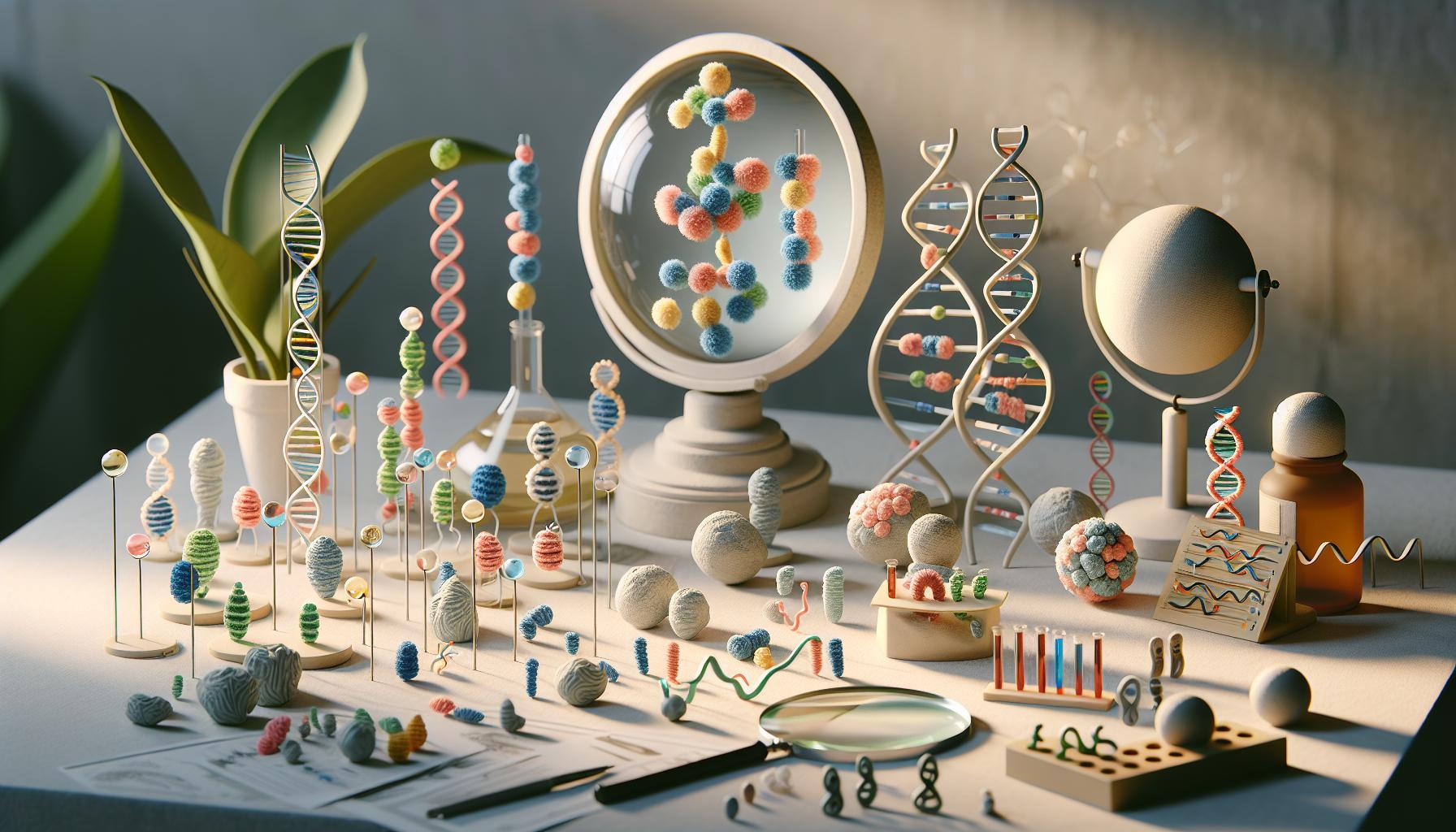
Impact of Meiosis on Genetic Diversity
During meiosis, a remarkable process of cell division, genetic diversity is maximized through the intricate dance of chromosome behavior. This process is fundamental to sexual reproduction, ensuring that each offspring is not a mere copy of its parents but rather a unique individual, equipped with a novel combination of genes that can thrive in an ever-changing environment.
The heart of meiosis lies in two critical phases: meiosis I and meiosis II. During meiosis I, homologous chromosomes-pairs of chromosomes that carry the same genes but may have different alleles-undergo a process called crossing over. This is where segments of DNA are exchanged between non-sister chromatids, leading to new allele combinations that were not present in either parent. This genetic reshuffling sets the stage for substantial variation. The second stage, meiosis II, focuses on separating the sister chromatids, further contributing to diversity as the final gametes are formed.
Another essential aspect of meiosis is the random assortment of chromosomes. Each parent contributes half of their genetic material, and which chromosomes are included in the gametes is determined by chance. This randomization means that even siblings can have vastly different genetic makeups, making each individual a unique entity. Through this process, populations can maintain a broad genetic repertoire, which is crucial for adaptation to environmental pressures.
Moreover, the importance of genetic diversity facilitated by meiosis extends beyond immediate survival; it plays a vital role in long-term evolutionary processes. A genetically diverse population is more likely to adapt to diseases, climate change, and other ecological shifts. For example, in agricultural contexts, crops that are genetically diverse tend to be more resilient to pests and diseases, demonstrating clearly how increased genetic variation supports food security and sustainability.
In summary, the is profound, encompassing mechanisms like crossing over and random assortment. This process not only fosters individual uniqueness but also strengthens the resilience and adaptability of populations in a fluctuating world.
Comparing Sexual and Asexual Reproduction
Sexual reproduction and asexual reproduction are two fundamental strategies through which organisms propagate, each with distinct advantages and implications for genetic variation. Sexual reproduction, characterized by the combinatorial genetic contribution from two parents, enhances genetic diversity through processes such as crossing over and independent assortment during meiosis. This leads to offspring that are genetically unique, which can significantly improve the population’s adaptability to changing environments and challenges, such as disease or climate fluctuations.
On the other hand, asexual reproduction, where a single organism creates genetically identical clones of itself, offers remarkable efficiency and speed. It allows for rapid population increases in stable environments where adaptations to change are minimal. However, the lack of genetic variation in asexual reproduction can be a double-edged sword. Populations that rely solely on this method may struggle to survive under new environmental pressures, as the uniformity in genetic makeup leaves them vulnerable to diseases and ecological shifts.
Understanding these two reproductive strategies allows a more profound insight into their long-term evolutionary consequences. For instance, in a changing environment, sexually reproducing populations can adapt more rapidly because of their diverse genetic pool. This variation is crucial in natural selection, where those individuals with advantageous traits are more likely to survive and reproduce. In contrast, the genetic uniformity in asexual populations can make them susceptible to extinction if faced with sudden threats.
In summary, both processes play critical roles in the survival and evolution of species. Sexual reproduction fosters genetic diversity and adaptability, while asexual reproduction provides a reliable means to thrive in stable conditions. This understanding emphasizes the importance of genetic variation as a resilient backbone in the evolutionary narrative of life on earth.
The Evolutionary Advantages of Genetic Variation
Sexual reproduction serves as a foundation for the rich tapestry of genetic diversity that is crucial for the survival and adaptability of species. By combining genetic material from two parents, this process generates a wide array of genetic combinations, which enhances the overall health and resilience of populations. For instance, consider a population of plants that is subjected to a sudden change in climate. Those with a diverse genetic background are more likely to possess individuals with traits better suited to the new environment, allowing the population to thrive while others may struggle or perish.
One of the most significant advantages of genetic variation stems from its role in natural selection. Over countless generations, species with a higher level of genetic diversity can more effectively adapt to their environments. This adaptability is not just theoretical; numerous case studies reveal that genetically diverse populations of animals, such as wolves or lions, often outcompete more homogeneous groups, especially when faced with disease outbreaks or shifts in prey availability. These variations can lead to the emergence of new traits that provide survival advantages, ensuring that the species remains robust in the face of challenges.
While diversity can be viewed through the lens of evolutionary history, it’s essential to recognize its impact on contemporary species as well. For example, agricultural systems that rely on genetically diverse crop strains can better withstand pests and diseases, contributing to food security. Farmers who cultivate a variety of plants rather than a single, uniform crop reduce the risk of total crop failure. This practical application of genetic variation showcases how understanding this concept can lead to enhanced resilience against ecological disruptions.
In essence, the evolutionary advantages conferred by genetic variation are profound. They not only support the endurance of species through adaptability and resilience but also inform practical approaches in conservation and agriculture. As we explore the many facets of genetic diversity, recognizing its role in shaping life on Earth allows us to appreciate the delicate balance of ecosystems and the importance of preserving this diversity for future generations.
Influence of Environment on Genetic Variation
The environment plays a critical role in shaping the genetic variation within species, particularly through the mechanisms of sexual reproduction. Various environmental factors-such as climate, habitat, and available resources-can exert selective pressures that influence which traits are favorable for survival and reproduction. For instance, consider a population of mice living in different soil types. Those with fur coloration that matches their environment are less likely to be spotted by predators, leading to increased survival rates for those individuals. Over time, this selective advantage can shift the genetic makeup of the population, favoring certain traits based on environmental conditions.
Moreover, environmental changes can create new challenges that require adaptive responses. When a habitat faces rapid shifts-be it due to climate change, urban development, or natural disasters-those individuals exhibiting genetic variations that confer resilience or adaptability are more likely to thrive. For example, in a study of finch species in the Galápagos Islands, researchers observed significant changes in beak size and shape in response to fluctuations in food availability. Such observations reinforce the idea that sexual reproduction introduces genetic diversity, providing a pool of traits that may align with new environmental demands, thereby enhancing survival prospects.
Furthermore, human activities can also influence genetic variation. Agricultural practices that prioritize monoculture-growing a single crop variety-reduce genetic diversity and can leave populations vulnerable to disease outbreaks. In contrast, maintaining a variety of crops encourages a broader genetic base, enhancing resilience against pests and climate stresses. This understanding demonstrates the importance of fostering diverse ecosystems, which not only benefit natural populations but also ensure sustainable agricultural practices.
By acknowledging the intricate relationship between environment and genetic variation, we can appreciate how sexual reproduction is not just a biological function but a vital mechanism for adaptability in an ever-changing world. This realization underscores the importance of preserving genetic diversity, both in natural and agricultural systems, as a safeguard against the uncertainties of the future.
Case Studies: Genetic Variation in Nature
While many species rely on asexual reproduction, some notable case studies highlight how sexual reproduction enhances genetic variation, leading to increased adaptability and resilience in various environments. One compelling example involves the striking change in the Caribbean anole lizards. As these lizards colonized different islands with distinct habitats, they developed varying limb lengths and sizes in response to their specific environmental conditions. The genetic mixing that occurs during sexual reproduction allowed these populations to cultivate traits beneficial for survival in each unique ecosystem, showcasing the dynamic nature of evolution driven by genetic diversity.
Another fascinating case is observed in the striking color variations of the African cichlid fish, which occur in the diverse lakes of East Africa. These fish exhibit an incredible array of colors and patterning, primarily a result of sexual selection. Males display vivid hues to attract females, leading to a continual shift in genetic traits through mating preferences. This process not only facilitates genetic variation but also is critical to the evolution of new species, as selective pressures shape populations towards specific environmental adaptations, illustrating the potent role of sexual reproduction in biodiversity.
Moreover, consider the striking adaptability of the peppered moth during the Industrial Revolution in England. As pollution darkened the trees, the lighter-colored moths faced greater predation, leading to a shift towards darker coloration for better camouflage. This rapid change was facilitated by the genetic variation arising from sexual reproduction. The moths’ ability to respond to environmental changes underscores how genetic diversity, sparked through sexual reproduction, equips species with the ability to adapt swiftly to shifting ecological landscapes.
These examples reflect not just isolated phenomena but underscore a universal principle: sexual reproduction fosters a broader genetic pool, essential for navigating the challenges imposed by ever-evolving environments. As these species demonstrate, genetic variation is critical for adaptation, ensuring their survival amidst changing conditions. Preserving this genetic diversity is vital for the resilience of ecosystems globally.
Sexual Selection and Its Effects on Evolution
The dynamics of sexual selection significantly shape the evolutionary trajectories of species, influencing not only their physical traits but also their genetic variability. One captivating aspect of sexual selection is how it drives the development of secondary sexual characteristics-traits that enhance an individual’s attractiveness to potential mates. These traits can range from the vibrant plumage of male birds to the intricate courtship behaviors observed in many species. The competition for mates often leads to an escalation of these distinct features, resulting in a broader genetic landscape through the introduction of novel combinations of genes.
Research indicates that sexual selection can contribute to genetic diversity by favoring individuals that possess rare or unique traits, thereby encouraging the mating of genetically diverse partners. For instance, in the case of the peacock, males with more elaborate tail feathers attract more females; however, this preference can shift based on female choice, which in turn promotes an ongoing evolution of traits. This phenomenon, known as the “runaway selection” hypothesis, explains how certain exaggerated traits become prevalent and can lead to speciation-where newly distinct species emerge as a result of differing mate preferences.
In environments where changes occur rapidly, sexual selection plays a pivotal role in adaptation. The variability of traits favored by sexual selection enables populations to respond swiftly to environmental pressures. A notable example is seen in the stickleback fish, where changes in male breeding coloration occurred in response to varying predation pressures in different habitats. These shifts are not merely cosmetic but involve underlying genetic changes that can enhance the population’s overall fitness and resilience.
To sum up, sexual selection enhances genetic variation by fostering diverse traits that are crucial for survival and reproductive success. As species navigate the complexities of their environments, the interplay of attraction, competition, and genetic mixing lays the groundwork for evolutionary innovations, underscoring the intricate relationship between sexual reproduction and the biodiversity of life on Earth.
Genetic Drift vs. Sexual Reproduction: Key Differences
Genetic variation is fundamental to the adaptability and survival of species, and understanding the mechanisms behind it becomes crucial. Two primary processes that influence genetic diversity are genetic drift and sexual reproduction. While both play significant roles in evolution, their effects and mechanisms differ markedly. Genetic drift refers to random changes in allele frequencies within a population, particularly impacting small populations where chance events can lead to the loss or fixation of alleles, thereby reducing genetic diversity over time. This reduction can have profound implications, especially in endangered species where the limited gene pool can lead to inbreeding depression, decreasing survival rates.
On the other hand, sexual reproduction actively promotes genetic variation through the mixing of genetic material from two parents. This process not only involves recombination during meiosis but also fosters a diverse gene pool by allowing individuals with different genetic backgrounds to mate. The advantage of this mechanism is evident in the adaptability of offspring, as they inherit unique combinations of traits that may enhance their fitness in varying environmental conditions. For example, in a population of flowering plants, cross-pollination may result in new traits that increase resistance to disease or improve reproductive success, offering a substantial advantage over asexually reproducing counterparts, who may be more susceptible to rapid environmental changes.
To illustrate, consider a hypothetical population of beetles. If a natural disaster randomly eliminates a portion of the population, those that survive may not represent the full genetic diversity present initially. This genetic drift can lead to a scenario where specific traits become less common or are lost, possibly affecting the population’s long-term viability. In contrast, if the same beetle population engages in sexual reproduction, individuals can shuffle their genetic traits, leading to offspring with various advantageous characteristics, enhancing their probability of survival in changing conditions.
In summary, while genetic drift may inadvertently diminish genetic diversity through random events, sexual reproduction strategically enhances it by generating diverse genetic combinations. This interplay is vital for the resilience and adaptability of populations, paving the way for evolutionary innovation. By understanding these differences, we gain insight into the complexities of genetic variation and the strategies that species employ to thrive in diverse environments.
How Mutations Complement Genetic Variation
Genetic mutations are the raw material of evolution, acting as a driving force behind genetic variation. These alterations can arise from various sources, including environmental factors, errors during DNA replication, or even spontaneous changes in the genetic code. While they may seem random, mutations play a vital role in creating the diversity that sexual reproduction relies on to produce unique and adaptable offspring.
When two parents engage in sexual reproduction, the recombination of their genetic material generates diverse combinations of alleles. This shuffling process can bring to the fore advantageous mutations that may have been present but not expressed in the parent generation. For instance, if one parent carries a mutation that confers heightened resistance to disease, the offspring produced through sexual reproduction can benefit from this trait, enhancing their survival in adverse conditions. In this way, mutations not only contribute to the genetic variability necessary for natural selection but also complement the diversity produced during the mating process.
Moreover, mutations can have varying effects-some are neutral or detrimental, while others offer significant adaptive advantages. Consider a population of insects where a mutation allows some individuals to better camouflage themselves from predators. When these insects reproduce sexually, the offspring may inherit this beneficial mutation, increasing their chances of survival. Over generations, such mutations can spread through the population, leading to evolutionary changes that respond to environmental pressures.
In summary, mutations and sexual reproduction work in tandem to foster genetic diversity and evolutionary potential. While sexual reproduction mixes existing genetic material, mutations introduce new variations that can be acted upon by the forces of natural selection. Understanding this complementary relationship illuminates the complexities of how species adapt and thrive in constantly changing environments.
Future Perspectives on Genetics and Evolution
The ongoing advancements in genetic research continue to illuminate the profound implications of sexual reproduction for genetic variation and evolutionary processes. One area of exciting exploration is the emerging field of genomic editing. Techniques such as CRISPR-Cas9 allow scientists to modify DNA with remarkable precision, which opens up possibilities for enhancing genetic diversity in populations. By introducing specific advantageous traits into breeding programs, it may soon be possible to accelerate adaptation to changing environments for various species.
Moreover, understanding the intricate mechanisms of epigenetics-how environmental factors influence gene expression without altering the underlying DNA sequence-offers new avenues to appreciate how diversity is generated. Research indicates that the environment can trigger epigenetic changes that alter traits, which can then be passed on to future generations. This interplay between epigenetics and sexual reproduction may reveal how species adapt to rapid environmental shifts, potentially enhancing their survival.
As scientists delve deeper into the impacts of climate change on genetic variation, they are beginning to recognize the importance of sexual reproduction in cultivating resilience within populations. By maintaining a diverse gene pool through sexual reproduction, species are better equipped to withstand environmental stresses. For instance, coral reefs, which are often affected by rising sea temperatures, may rely on genetic diversity fostered through sexual reproduction to adapt to these challenges.
In conclusion, the future of genetics and evolution appears promising, with sexual reproduction at the forefront. As we harness new technologies and deepen our understanding of genetic mechanisms, we can anticipate not only how species evolve but also how we might better protect biodiversity in a rapidly changing world. The integration of genetic insights into conservation strategies could play a critical role in preserving the delicate balance of our ecosystems.
Faq
Q: What is the main benefit of sexual reproduction in increasing genetic variation?
A: The main benefit of sexual reproduction is that it combines genetic material from two parents, leading to offspring with unique gene combinations. This genetic variation enhances a population’s ability to adapt to changing environments and can improve survival rates.
Q: How does meiosis contribute to genetic variation?
A: Meiosis plays a crucial role in creating genetic diversity as it reduces chromosome numbers and facilitates genetic recombination. During meiosis, homologous chromosomes exchange genetic material, resulting in unique gametes that contribute to varied offspring characteristics.
Q: What role does fertilization play in genetic variation?
A: Fertilization is vital for genetic variation as it combines genetic material from two distinct parents, creating a zygote with a unique genetic makeup. This process ensures that diverse genetic traits are passed on to the next generation.
Q: Can genetic variation from sexual reproduction lead to evolutionary advantages?
A: Yes, genetic variation stemming from sexual reproduction can lead to evolutionary advantages. Populations with greater genetic diversity can adapt more effectively to environmental changes, which increases their chances of survival and reproduction.
Q: How does sexual selection influence genetic variation?
A: Sexual selection drives genetic variation by favoring individuals with traits that enhance mating success. This can lead to distinctive adaptations becoming more prominent within populations, further increasing genetic diversity.
Q: What is the difference between sexual and asexual reproduction regarding genetic variation?
A: Sexual reproduction enhances genetic variation through the mixing of genes from two parents, while asexual reproduction produces genetically identical offspring. This lack of genetic diversity in asexual reproduction can reduce adaptability in changing environments.
Q: How does environmental influence affect genetic variation in sexual reproduction?
A: Environmental factors can shape genetic variation by favoring certain traits over others. In sexual reproduction, these traits can arise through the mixing of genes, ensuring that populations remain resilient and adapt to new challenges.
Q: Why is genetic variation important for species survival?
A: Genetic variation is crucial for species survival as it enhances the ability of populations to adapt to environmental changes, resist diseases, and maintain overall health. Populations with more genetic diversity are typically more resilient in the face of challenges.
Final Thoughts
Understanding how sexual reproduction increases genetic variation is not just a fascinating aspect of biology, but also a critical foundation for comprehending evolution and biodiversity. By embracing this dynamic process, you’re not only gaining insight into the complexities of life but also preparing to explore further related topics like genetic inheritance and evolutionary adaptation.
If you’re eager to dive deeper into the mechanisms behind these concepts, check out our articles on genetic diversity and the benefits of sexual reproduction. Don’t miss out on the opportunity to enhance your knowledge-sign up for our newsletter for expert insights delivered straight to your inbox.
Your journey in understanding genetic variation can lead you to greater insights into nature’s wonders. Join our community by sharing your thoughts in the comments below, and remember, each question leads to new knowledge. Let’s continue to explore the incredible world of biology together!
Get our latest guides, news, and insights highlighted in your Google Search & AI Overviews.