Did you know that meiosis is the key process that ensures genetic diversity in all sexually reproducing organisms? This fascinating cell division not only results in the formation of gametes-sperm and eggs-but also reduces the chromosome number by half, a critical step in maintaining the balance in future generations. Understanding meiosis is crucial, particularly for those on a journey of family building, as it impacts everything from fertility to the potential health of future children. By diving into the significance of meiosis, you can gain insights into why this process is foundational to reproduction and how it ties into broader themes of genetic variation, inheritance, and the very essence of life itself. Join us as we explore the importance of meiosis and its profound implications for our understanding of biology and reproduction.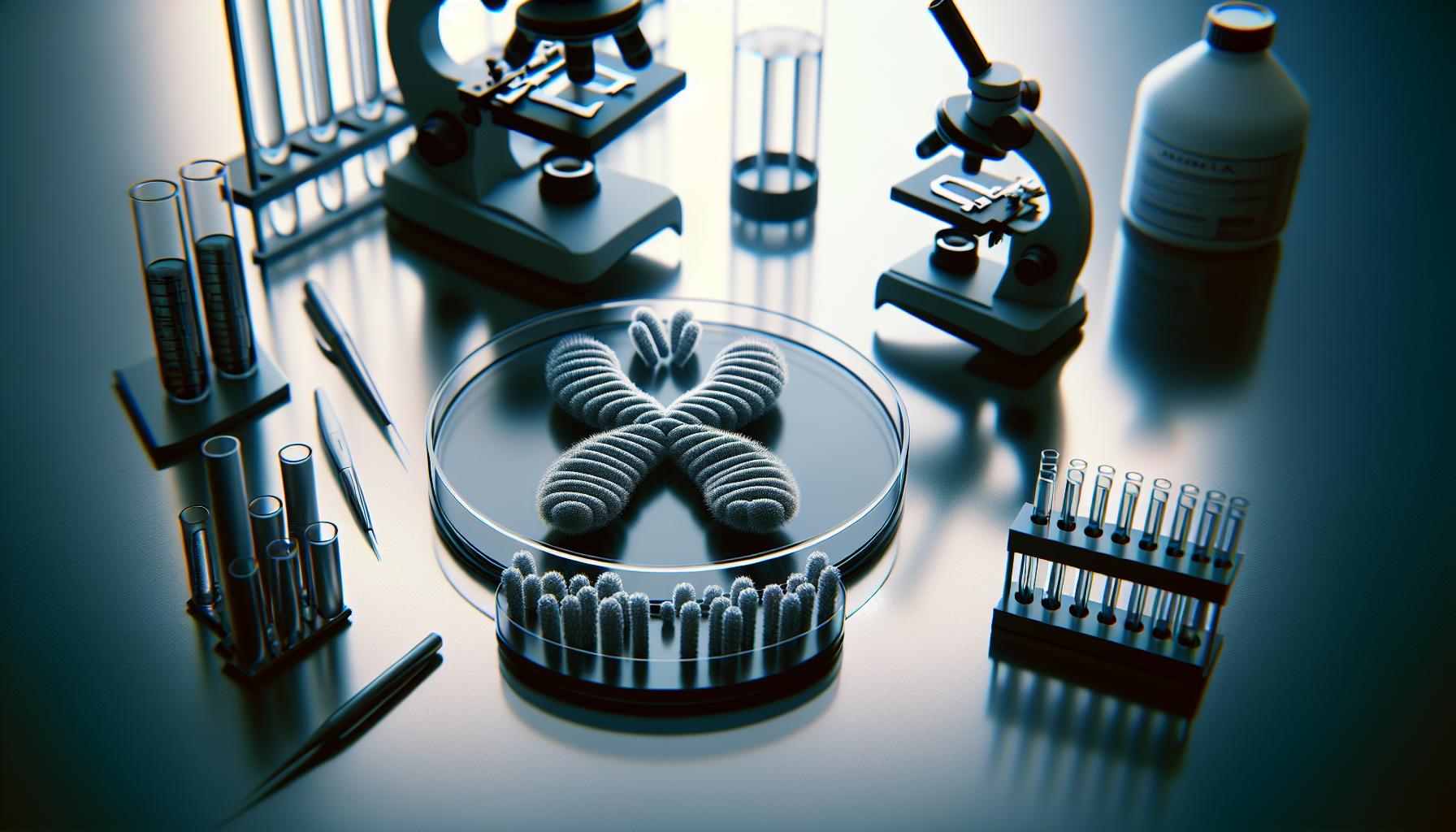
Understanding Meiosis: A Vital Process in Cell Division
Meiosis is a fascinating and intricate process that serves as the bedrock of sexual reproduction in various organisms. By dividing a single germ cell into four distinct gametes, meiosis effectively reduces the chromosome number by half. This reduction is crucial because, without it, the chromosome count in succeeding generations would double with each reproductive cycle, leading to potential chromosomal abnormalities. Each gamete carries a unique genetic blueprint, resulting from the intricate shuffle of genetic material known as crossing over. This genetic rearrangement not only maintains the stability of the chromosome number but also introduces genetic variation, which is vital for evolution and adaptation.
Understanding meiosis unveils its significant role in the grand tapestry of life. It allows for the mixing of genes from two parent organisms, leading to offspring with diverse traits. This genetic diversity is key to the resilience of populations, enabling them to adapt to changing environments and resist diseases. For couples navigating fertility challenges, recognizing the importance of healthy meiotic processes can illuminate the path to understanding potential fertility issues and the value of assessments such as genetic testing, which can reveal insights into reproductive health.
Moreover, the implications of meiosis extend beyond individual health to encompass broader evolutionary trends. As species undergo environmental shifts, genetic diversity fostered through meiosis provides the raw material for natural selection. Each distinct gamete holds the potential for new combinations of traits that could lead to enhanced survival rates in novel conditions. Thus, comprehension of meiosis not only enriches our understanding of human biology but also connects us to the intricate dynamics of life on Earth, reinforcing the profound interconnectedness of all living organisms.
In this journey toward understanding meiotic processes, it’s essential to approach the topic with empathy and care, acknowledging the complexities and emotional weight that individuals may carry-particularly those facing challenges in the realm of fertility.
The Role of Meiosis in Genetic Diversity
Genetic diversity is the cornerstone of life, shaping the adaptability and resilience of species across generations. Meiosis plays an essential role in this process by producing gametes that carry a unique combination of genetic material. This results from two key mechanisms: crossing over and independent assortment, both of which ensure that offspring have varied genetic makeups, even when derived from the same two parents.
During meiosis, homologous chromosomes line up and exchange segments of DNA, a process known as crossing over. This exchange not only mixes maternal and paternal genes but also increases the variety of possible genetic combinations that can arise in the offspring. Additionally, as chromosomes are randomly distributed to gametes during meiosis through independent assortment, the combination of alleles can vary significantly. These mechanisms contribute to a rich tapestry of traits within a population, enhancing its overall genetic health.
For those on a fertility journey, understanding the significance of meiosis can be both enlightening and empowering. Genetic testing and assessments of meiotic processes can shed light on potential issues, providing encouragement and direction for couples striving to conceive. Each successful meiotic event represents hope, crafting the next generation’s potential for health, adaptability, and unique qualities. This journey can be fraught with challenges; acknowledging the emotional aspects, from grief over unsuccessful attempts to hope for future successes, is vital in the context of reproductive health.
Overall, meiosis embodies a fundamental biological principle: diversity begets resilience. As populations face environmental shifts, the genetic variations produced through meiosis furnish them with the tools needed to adapt, survive, and thrive under changing conditions.
Meiosis vs. Mitosis: Key Differences Explained
Meiosis and mitosis are two vital processes of cell division, yet they serve different purposes and yield distinct outcomes. Recognizing these differences is crucial, especially for those exploring topics related to reproduction and genetic diversity.
In mitosis, a single parent cell divides to produce two genetically identical daughter cells, each containing the same number of chromosomes as the original cell. This process is essential for growth, tissue repair, and asexual reproduction, making it fundamental in everyday cellular functions. The stages of mitosis-prophase, metaphase, anaphase, and telophase-ensure that each daughter cell receives an exact copy of the cell’s DNA, maintaining genetic consistency across cells in an organism’s body.
Conversely, meiosis is a specialized type of cell division that occurs only in the formation of gametes-sperm and egg cells. Meiosis involves two rounds of division, resulting in four unique daughter cells, each with half the number of chromosomes as the parent cell. This reduction is crucial for sexual reproduction, as it ensures that when gametes fuse during fertilization, the resulting zygote restores the full chromosome number. Each meiotic division-heredity/meiosis-and-genetic-diversity/a/phases-of-meiosis” title=”… | Cell division | Biology (article) | Khan Academy”>meiosis I and meiosis II-includes unique phases that promote genetic variation through processes like crossing over and independent assortment.
Understanding these differences is vital for those engaged in fertility journeys. When considering treatments like IVF or understanding genetic testing, grasping how meiosis affects genetic diversity and potential hereditary issues can empower couples with knowledge about their reproductive health. Acknowledge that while mitosis contributes to cell stability, meiosis is fundamental in fostering genetic diversity, which is essential for resilience and adaptability in changing environments. Emphasizing this distinction can provide clarity and support to individuals navigating their personal family-building paths.
Phases of Meiosis: A Step-by-Step Breakdown
Meiosis, the finely tuned process responsible for the formation of gametes, unfolds through a carefully orchestrated sequence of phases that ensure the right chromosome number and foster genetic diversity. Understanding these phases not only illuminates the biological intricacies at play but also highlights how potential errors during meiosis can impact fertility and hereditary traits.
The journey of meiosis begins with Meiosis I, which is crucial for reduction division. Here, chromosomes duplicate during the S phase of interphase, preparing the cell for division. The first phase is Prophase I, where homologous chromosomes align, undergo crossing over, and exchange genetic material. This step significantly contributes to genetic diversity. Following this, Metaphase I sees the chromosomes lining up at the cell’s equatorial plane, a pivotal moment for proper genetic separation.
As the process progresses to Anaphase I, homologous chromosomes are pulled apart to opposite poles of the cell. In Telophase I, the cell prepares to divide. This results in two cells that are genetically distinct and haploid-each carrying half the original chromosome number. Following this, the cells proceed into Meiosis II, which resembles mitosis.
During Prophase II, if the cells have not yet entered a resting state, the chromosomes again condense, preparing for another round of division. In Metaphase II, chromosomes align again at the equator. Then, in Anaphase II, sister chromatids are separated and pulled to opposite poles, followed by Telophase II, where nuclear membranes form around each set of chromosomes. The final result of meiosis is four unique gametes, each with half the chromosome count of the original cell, ready for fertilization.
This intricate process is essential not only for maintaining species continuity through sexual reproduction but also for safeguarding genetic variation, breathing adaptability into populations. As you navigate your personal journey, whether through understanding your reproductive health or exploring family-building options, knowing the phases of meiosis can provide deeper insights into how genetic inheritance works and how it may affect your future.
The Importance of Meiosis in Sexual Reproduction
The creation of new life hinges significantly on meiosis, a remarkable process that not only facilitates reproduction but also ensures the genetic diversity essential for the survival and adaptability of species. Understanding this process can be pivotal for anyone embarking on the journey of family planning or navigating the complexities of fertility.
At its core, meiosis is responsible for generating gametes-sperm and egg cells-each containing half the number of chromosomes found in other body cells. This reduction in chromosome number is crucial for sexual reproduction, as it allows for the restoration of the full chromosome count upon fertilization. Each gamete is unique, a result of the shuffling of genetic material during meiosis. This genetic variability is fundamental; it forms the basis for the diversity seen in populations, enabling adaptability to changing environments and resistance to diseases.
For individuals and couples exploring their reproductive options, understanding the significance of meiosis can also bring clarity to their fertility journeys. Emotionally, the process of trying to conceive can be fraught with challenges. Acknowledging that issues related to meiosis, such as chromosomal abnormalities, can affect fertility adds another layer of complexity. It’s important to approach these challenges with knowledge, as advocacy for one’s reproductive health often starts with understanding the science behind it.
Moreover, the implications of meiosis extend beyond simple reproduction. The unique combination of genes from both parents influences hereditary traits and can affect everything from physical characteristics to susceptibility to various health conditions. For many, sharing family traits is a source of pride and identity. Recognizing how meiosis shapes these aspects of life not only enhances understanding of personal genetic heritage but also informs decisions about health and family planning.
In summary, meiosis is more than just a biological process; it is a cornerstone of life that ensures genetic diversity and plays a vital role in sexual reproduction. For those on the path to parenthood, comprehending this process can empower informed choices and bring peace of mind during their fertility journey.
Meiosis and Evolution: The Bigger Picture
Understanding the connection between meiosis and evolution provides profound insights into how life on Earth has flourished and diversified over millions of years. Meiosis, through its unique method of sexual reproduction, empowers organisms to produce genetically unique gametes, which is essential for fostering genetic diversity within populations. This variability is not just a biological curiosity; it is a driving force in the evolution of species.
When gametes fuse during fertilization, they combine a diverse array of genetic material, leading to offspring that can possess traits that may be advantageous in changing environments. For example, in a population of plants, some individuals may develop a resistance to a particular disease due to genetic variations introduced by meiosis. As the disease spreads, plants lacking this resistance may perish, while those with beneficial traits survive and reproduce, passing on their advantageous genes to subsequent generations. This process exemplifies natural selection, where the genetic diversity generated through meiosis plays a critical role in the survival and adaptation of species.
Moreover, the constant reshuffling of genes during meiosis is not only vital for individual species but also for ecosystems as a whole. It allows populations to adapt to new challenges, such as climate change, by producing individuals with new combinations of traits that may be better suited to survival. Such adaptability is crucial for the resilience of ecosystems, enabling them to thrive despite environmental stresses.
In essence, meiosis is intertwined with the very fabric of evolutionary theory. It ensures that life remains dynamic and adaptable, continually shaping the biological landscape. Embracing this understanding can empower individuals on their reproductive journey, providing a broader perspective on their biological heritage and the ongoing story of life itself. Acknowledging the role of meiosis in evolution adds depth to discussions about genetic health, family planning, and the incredible diversity of life, aligning with the hope and complexity of family-building.
Impacts of Meiosis Errors: When Things Go Wrong
Errors during meiosis can have profound implications on both personal health and broader population dynamics. A significant issue that arises from these errors is aneuploidy, where the resulting gametes have an abnormal number of chromosomes due to the failure of homologous chromosomes or sister chromatids to separate properly during cell division. This can lead to conditions like Down syndrome, which is characterized by an extra chromosome 21, or other genetic disorders that profoundly affect development and quality of life.
The consequences of these errors extend beyond the individual, impacting families and communities. For instance, when aneuploid gametes are involved in fertilization, they often result in miscarriages or stillbirths. The emotional toll on families as they navigate this grief can be significant. It highlights the stark reality that while meiosis is critical for genetic diversity and evolution, errors in this process can lead to devastating outcomes for potential parents who are trying to conceive.
Moreover, recognizing the causes of meiosis errors is essential not just for understanding genetic conditions but also for informing fertility treatments. Techniques such as preimplantation genetic testing during in vitro fertilization (IVF) can help screen for these abnormalities before implantation, offering hope to couples facing infertility or recurrent pregnancy loss. These advancements in reproductive technology allow for informed choices while acknowledging the emotional journey many individuals and couples undergo.
As we delve deeper into the complexity of meiosis and its significance in sexual reproduction, it’s crucial to foster conversations that normalize the discussion around these errors. For those on their fertility journey, understanding that these challenges are not reflections of personal failure but rather biological realities can provide solace and guide them toward appropriate support and resources. In this way, knowledge becomes a source of empowerment, fostering resilience in the face of uncertainty about family-building paths.
How Meiosis Influences Heredity and Traits
The process of meiosis is crucial in shaping the traits and characteristics that are passed down from parents to their offspring. Each gamete-sperm or egg-produced through meiosis combines genetic information from both parents, a blend that forms the foundation of heredity. This unique combination of genes contributes to the diversity seen in populations, making each individual genetically distinct. Such variability is not merely incidental; it is essential for the adaptability and survival of species over generations.
During meiosis, two rounds of cell division occur, leading to the creation of four gametes, each containing half the number of chromosomes of the original cell. This halving is vital as it ensures that when a sperm fertilizes an egg, the resulting zygote has the correct diploid number of chromosomes-an essential factor in forming a new organism. The random assortment of chromosomes, a hallmark of meiosis, introduces variations in the genetic makeup. This process not only shuffles existing genetic traits but also enhances potential adaptations to changing environments. As a result, offspring can inherit a mix of advantageous traits, increasing their chances of survival in diverse ecological niches.
Understanding how meiosis influences heredity can be particularly significant for couples planning their family, especially those facing genetic conditions or fertility challenges. Knowing that each child is a unique combination of parental genes can provide hope and perspective during difficult times. Genetic counseling may offer support in understanding potential hereditary concerns, allowing families to navigate their paths with greater clarity and support.
Furthermore, as research continues to advance our understanding of meiosis and its complexities, it opens avenues for innovative approaches in fertility treatments. These treatments, which may include technologies like preimplantation genetic testing, empower couples by providing information about potential genetic variations before implantation, helping mitigate risks associated with inherited conditions. Thus, in conjunction with emotional and medical support, knowledge derived from the study of meiosis becomes a beacon of hope for many on their journey to parenthood.
Research Advancements in Meiosis Studies
Advancements in the study of meiosis reveal profound insights essential for understanding the intricate processes that govern sexual reproduction, genetic diversity, and even fertility challenges faced by couples. Recent research has delved into the molecular mechanisms underpinning meiosis, unveiling how specific genes and proteins orchestrate this complex cell division. For instance, scientists are exploring the role of specialized proteins that ensure chromosome alignment and segregation during meiosis, reducing the likelihood of errors that can lead to conditions such as Down syndrome.
By employing cutting-edge technologies like CRISPR-Cas9, researchers are now able to manipulate genetic material with unprecedented precision. This capability not only enhances our understanding of meiotic processes but also opens the door to potential therapeutic applications. For example, understanding how to correct meiotic errors or optimize gamete quality could significantly improve outcomes in assisted reproductive technologies (ART). As couples navigate their paths toward parenthood, these advancements offer renewed hope, particularly in cases where genetic conditions pose challenges.
Collaborative efforts among geneticists, biologists, and clinicians have also resulted in valuable educational resources that illuminate the complexities of meiosis. Couples facing infertility issues can benefit from genetic counseling that incorporates the latest research findings, enabling informed decisions about their family-building options. Moreover, the impact of studying meiosis extends beyond the laboratory; it fosters a greater understanding of evolutionary biology, ensuring that we appreciate the delicate balance of genetic variation that sustains life.
As research continues to evolve, staying informed of these advancements can provide not just knowledge, but emotional reassurance. Recognizing that the science behind meiosis is advancing in ways that can support healthier reproductive outcomes may bring a sense of relief to those experiencing difficulty conceiving. With each new discovery, we are reminded of the resilience and intricacy of human biology, paving the way for greater possibilities in building families.
Meiosis and its Implications in Fertility Treatments
Understanding the critical role of meiosis in fertility can illuminate many of the challenges and options faced by couples trying to conceive. Meiosis is responsible for the formation of gametes-sperm and eggs-which carry half the genetic material required for reproduction. This reduction in chromosome number is vital; without meiosis, the resulting offspring would have double the chromosomes needed, leading to developmental complications. By comprehending how meiosis functions, both scientifically and emotionally, individuals can navigate their fertility journeys with greater insight and resilience.
In fertility treatments like in vitro fertilization (IVF), understanding meiosis plays a fundamental role. During IVF, doctors extract eggs and sperm, which then undergo fertilization in a controlled environment. The health of the sperm and eggs is paramount, as abnormalities during meiosis can lead to genetic anomalies in the embryos. Techniques such as preimplantation genetic testing (PGT) can be employed to screen embryos for chromosomal errors before they are implanted, providing couples with valuable information that may impact their choice of which embryos to transfer. This careful selection process aims to increase the chances of a successful pregnancy and a healthy baby.
However, the journey through fertility treatments can be fraught with emotional turmoil. It’s important to acknowledge the weight of grief, hope, and uncertainty that accompanies this path. Many couples experience a mix of excitement and anxiety, wondering if the next cycle will yield the longed-for pregnancy. Transparency about the costs and success rates of treatments, alongside emotional support, can help couples manage expectations. For example, IVF can range from $10,000 to $15,000 per cycle, with varying success rates influenced by age and health conditions. Couples should also understand that while some may conceive after one cycle, others might need multiple attempts.
Moreover, integrating lifestyle changes and seeking out psychological support can bolster emotional resilience. Many fertility clinics offer counseling services that address the psychological strain of infertility, helping couples to cope with the highs and lows of their treatment journey. Additionally, exploring options such as donor sperm or eggs, or adopting embryos, can provide alternative pathways to parenthood for those facing severe meiotic challenges. With knowledge, empathy, and the right support, couples can feel empowered in their fertility journeys, celebrating small milestones along the way while navigating the complexities of their unique family-building story.
Educational Resources for Learning About Meiosis
Understanding the complexities of meiosis and its profound role in reproduction can be essential for anyone navigating the journey of fertility. Numerous resources are available to help individuals and couples grasp the fundamental mechanisms of this vital process. These resources include online courses, interactive websites, educational videos, and supportive community forums geared towards both scientific understanding and emotional support.
Online Courses and Webinars
Websites like Khan Academy and Coursera offer free courses that delve into cellular biology and meiosis. These structured lessons break down the stages of meiosis, highlight its importance in genetic diversity, and explain its relation to sex cells. Check for webinars hosted by fertility clinics or educational institutions as these can provide insights from specialists and allow for direct interaction, making complex concepts more accessible.
Interactive Websites and Visual Aids
Interactive platforms like Bioman Biology and Learn Genetics provide engaging animations and diagrams showing the meiotic process. These resources can help visualize how meiosis differs from mitosis and why it is crucial for genetic variety. Diagrams that illustrate the stages, such as prophase and metaphase, can be particularly helpful for visual learners.
Videos and Documentaries
YouTube channels specializing in biology often have succinct videos explaining meiosis. Look for channels like CrashCourse, which offer concise, informative content that can clarify complex topics. Documentaries on genetics and reproduction can also provide a broader context for meiosis, helping to highlight its significance in evolution and heredity.
Supportive Community Forums and Literature
Participating in forums like Fertility Network can provide both educational content and emotional support from others sharing similar experiences. Reading books that focus on reproductive biology and fertility, such as “The Infertility Companion,” can provide in-depth knowledge while also addressing emotional aspects related to infertility struggles.
Incorporating these educational resources into your journey can illuminate the scientific and emotional facets of meiosis, equipping you with the knowledge needed to make informed decisions. While exploring these materials, remember to approach the information with an open mind and heart, as education is a critical part of your fertility journey, helping to foster understanding and empowerment.
Common Misconceptions About Meiosis Explained
Many people have misconceptions about meiosis, often viewing it solely as a process of cell division. However, it plays an essential role in the greater intricacies of life and reproduction. One common myth is that meiosis simply reduces the chromosome number in cells without any further significance. In reality, this reduction is pivotal; it ensures genetic diversity through processes like independent assortment and crossing over during meiosis, which leads to unique combinations of genes in gametes. This genetic variation is crucial for evolution and the adaptability of species over time.
Another misconception is that meiosis and mitosis are interchangeable terms. While both are forms of cell division, they serve very different purposes. Mitosis is responsible for growth and tissue repair, producing two identical daughter cells, whereas meiosis specifically produces gametes-sperm and egg cells-with half the number of chromosomes. Understanding these differences can help demystify how reproductive cells are formed and why they are crucial for sexual reproduction.
Some may also believe that errors in meiosis are rare and do not have significant consequences. On the contrary, mistakes during this process can lead to serious genetic disorders or conditions such as Down syndrome, caused by non-disjunction, where chromosomes do not separate properly. This reality highlights the importance of meiosis not only in healthy reproduction but also in understanding the potential challenges and risks that can arise during the fertility journey.
Lastly, many underestimate the emotional weight surrounding the complexities of meiosis, particularly in the context of fertility struggles. Individuals and couples facing infertility may often grapple with feelings of grief and hope while navigating their options. It’s essential to discuss meiosis and its implications with compassion and support, recognizing that education on this topic can empower them to make informed choices regarding their family-building paths-be it through IVF, adoption, or other means. Providing clear and compassionate guidance can be a vital part of supporting those on this challenging journey.
Q&A
Q: What is the primary role of meiosis in the human body?
A: The primary role of meiosis in the human body is to produce gametes-specifically sperm and eggs. This process ensures that each gamete contains half the number of chromosomes found in a typical body cell, which is essential for sexual reproduction.
Q: Why is genetic diversity important in meiosis?
A: Genetic diversity is crucial in meiosis as it increases the variability of traits among offspring. This diversity arises from processes like crossing over and independent assortment, contributing to the adaptability and survival of species in changing environments.
Q: How does meiosis differ from mitosis in function?
A: Unlike mitosis, which divides a cell into two identical daughter cells for growth and repair, meiosis results in four unique gametes. This distinct function is vital for sexual reproduction, ensuring genetic variation among offspring.
Q: What are the consequences of errors during meiosis?
A: Errors during meiosis can lead to conditions like Down syndrome or Turner syndrome, resulting from chromosome number abnormalities. Such errors may influence fertility and developmental health, highlighting the importance of accurate meiosis.
Q: How does meiosis contribute to evolution?
A: Meiosis contributes to evolution by generating genetic variation through recombination and independent assortment. This variation creates diverse gene combinations, providing the raw material for natural selection and evolutionary change.
Q: What is the significance of the phases of meiosis in genetic variation?
A: The phases of meiosis, particularly prophase I where homologous chromosomes exchange genetic material, are critical for enhancing genetic variation. This process creates new allele combinations, pivotal for evolution and adaptation.
Q: How does meiosis affect the inheritance of traits?
A: Meiosis influences the inheritance of traits by segregating alleles into gametes. This segregation determines which traits are passed from parents to offspring, thereby shaping genetic outcomes in subsequent generations.
Q: What educational resources are available for understanding meiosis?
A: Numerous educational resources are available to understand meiosis, including online articles, interactive videos, and textbooks. Websites like Khan Academy and scientific journals provide comprehensive insights into the process and its significance in biology.
Insights and Conclusions
Understanding the critical role of meiosis is essential for grasping how genetic diversity is created and how reproduction functions. As you explore the intricacies of meiosis and its significance in producing gametes, remember that this process is foundational to life’s continuity and evolution. Don’t miss the chance to deepen your knowledge-check out our detailed articles on cell division and genetics linked below.
If you’re looking to enhance your understanding further or have specific questions, feel free to dive into related topics such as “The Stages of Meiosis” and “Genetic Variability in Reproduction.” Your journey in discovering the wonders of biology doesn’t have to stop here! Subscribe to our newsletter for the latest updates and insights, or connect with a community passionate about science. Remember, every question you ask leads to greater clarity and knowledge. Let’s keep the conversation going!