
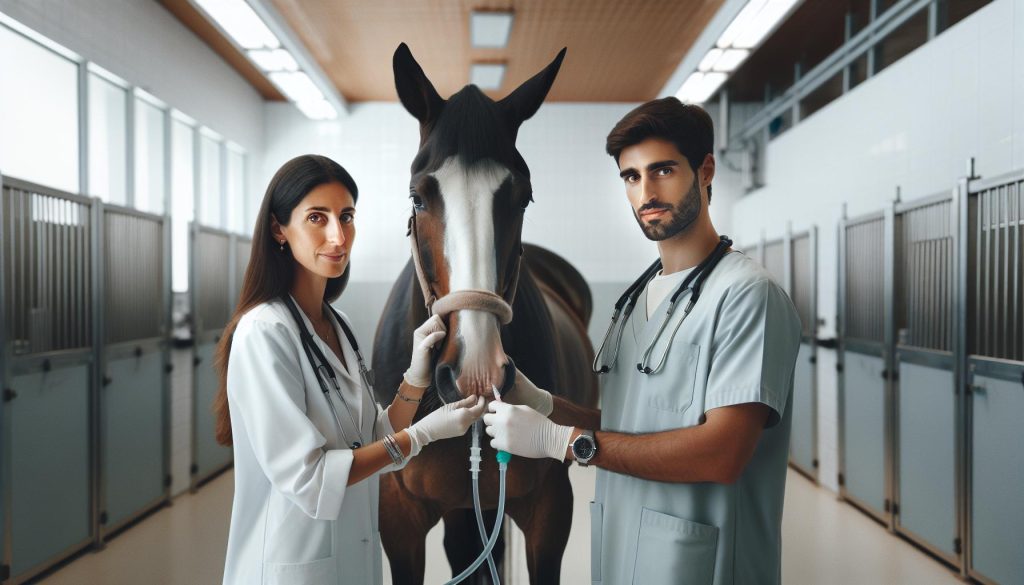
How Is Artificial Insemination Performed on Horses Quizlet?
Discover how artificial insemination is performed on horses! Learn key techniques, success rates, and insider tips to succeed with this essential process.
Artificial Insemination is a specialized assisted conception technique that prepares and deposits concentrated, motile spermatozoa directly into the female reproductive tract to shorten the sperm migration path and achieve successful fertilization around ovulation.
Evidence-based clinical analysis and patient guidance regarding does medicare cover artificial insemination? coverage details.
Evidence-based clinical analysis and patient guidance regarding can you do artificial insemination at home? safety & success.
Evidence-based clinical analysis and patient guidance regarding does elon musk use artificial insemination? family planning.
Artificial Insemination is an established, non-invasive first-line assisted reproductive therapy. The overarching term encompasses multiple distinct clinical modalities, primarily **Intrauterine Insemination (IUI)**, where laboratory-processed spermatozoa are placed past the cervical barrier directly into the uterine fundus, and **Intracervical Insemination (ICI)**, where semen is placed at the external cervical os. By bypassing cervical mucus barriers and concentrating high-motility sperm near the fallopian tubal ostia, artificial insemination substantially enhances fertilization opportunity.
Clinical protocols combine timed natural cycles or controlled ovarian stimulation (using oral agents like letrozole or clomiphene citrate) with precise urinary or serum LH surge detection. Artificial insemination serves as a proven pathway for couples facing mild male factor subfertility, unexplained infertility, cervical factor hostility, as well as single women and LGBTQ+ couples utilizing donor sperm.
Artificial insemination (usually IUI) deposits washed sperm inside the uterus for natural fertilization inside the fallopian tube. IVF surgically extracts eggs from the ovaries, fertilizes them in an embryology laboratory, and transfers resulting blastocysts into the uterus.
An IUI is quick and typically painless, feeling very similar to a routine cervical Pap smear. Patients may experience mild, brief cramping as the soft, flexible catheter passes through the cervix.
Clinical guidelines recommend attempting 3 to 4 well-timed IUI cycles. If pregnancy is not achieved after 3 to 4 attempts, cumulative success plateaus, and transitioning to IVF offers significantly higher live birth rates.
Discover how artificial insemination is performed on horses! Learn key techniques, success rates, and insider tips to succeed with this essential process.

Discover the key differences between artificial insemination and IVF! Learn which method suits your fertility journey best and find hope in your family-building options.

Discover how age impacts artificial insemination eligibility. Find expert insights on costs, success rates, and emotional support for your fertility journey today!
Discover how a cow is artificially inseminated in this comprehensive guide. Learn about the farm procedure, benefits, and key insights for successful breeding!

Discover if artificial insemination is better than natural methods. Explore success rates, costs, and emotional support in your fertility journey-find the best path today!

Did Mel get artificial insemination? Discover the truth behind Mel’s journey in Virgin River. Get insights on her choices and emotional struggles today!

Discover the official rules on whether racehorses can be artificially inseminated. Learn the benefits, procedures, and potential success rates today!

Discover the risks of artificial insemination in our comprehensive safety guide. Learn essential facts, compassionate support, and navigate your fertility journey with confidence!
Artificial insemination (AI) in dogs is a crucial process for breeders seeking to enhance their canine companions’ lineage or preserve

Discover if Blue Cross Blue Shield covers artificial insemination. Learn cost details and success rates to make informed decisions on your fertility journey today!