

Why Artificial Insemination Is Important for Fertility Success
Unlock fertility success! Discover why artificial insemination is crucial for overcoming infertility challenges and achieving your dream of parenthood.
AI Procedures & Techniques is a specialized interventional insemination methodology that processes ejaculated spermatozoa and executes sterile catheter deposition into the uterine cavity to eliminate prostaglandins, concentrate motile gametes, and synchronize ovulation arrival.
Evidence-based clinical analysis and patient guidance regarding can you do artificial insemination at home? safety & success.
Evidence-based clinical analysis and patient guidance regarding how effective is artificial insemination in dogs? results.
Evidence-based clinical analysis and patient guidance regarding how to prepare for artificial insemination: essential checklist.
The clinical execution of intrauterine insemination (IUI) demands meticulous laboratory processing and precise procedural timing. Raw semen contains seminal plasma, prostaglandins, cellular debris, and bacteria that induce severe uterine cramping and anaphylactoid reactions if introduced directly into the uterine cavity. Laboratory sperm preparation utilizes density-gradient centrifugation or swim-up techniques with buffered nutrient culture media to isolate a concentrated pellet of morphologically normal, progressively motile spermatozoa.
Clinical insemination is performed 34 to 36 hours following an ovulatory trigger injection (or 24 to 28 hours after a detected natural LH surge). Using a sterile speculum and an ultra-fine, flexible intrauterine catheter, the clinician navigates the internal cervical os to inject 0.3 to 0.5 mL of washed sperm suspension into the upper uterine cavity with minimal mucosal disruption.
Raw semen contains prostaglandins, which cause violent uterine contractions, severe pain, and potential infection. Sperm washing removes seminal plasma, isolating only healthy motile sperm safe for intrauterine placement.
Most reproductive endocrinologists look for a post-wash total motile sperm (TMS) count of at least 5 to 10 million for optimal IUI success. Lower counts often suggest that IVF/ICSI will provide a much higher chance of conception.
Clinics typically advise patients to remain resting supine for 10 to 15 minutes following insemination. Afterward, normal daily activities may be resumed immediately.
Unlock fertility success! Discover why artificial insemination is crucial for overcoming infertility challenges and achieving your dream of parenthood.
Discover the timeline of artificial insemination! Learn how long the process takes, from preparation to success, and get essential insights to guide your journey.
Does Whitney get pregnant from artificial insemination? Discover the surprising truth about success rates and emotional support in this compelling journey!

Discover how long sperm lasts for artificial insemination! Learn essential storage tips to maximize your chances of success in your fertility journey.

Discover what to expect after artificial insemination! Learn the essential timeline and tips to navigate your journey with confidence. Find hope and clarity today!

Discover how accurate artificial insemination is! Explore impressive success rates, costs, and your fertility options to empower your journey. Don’t wait!
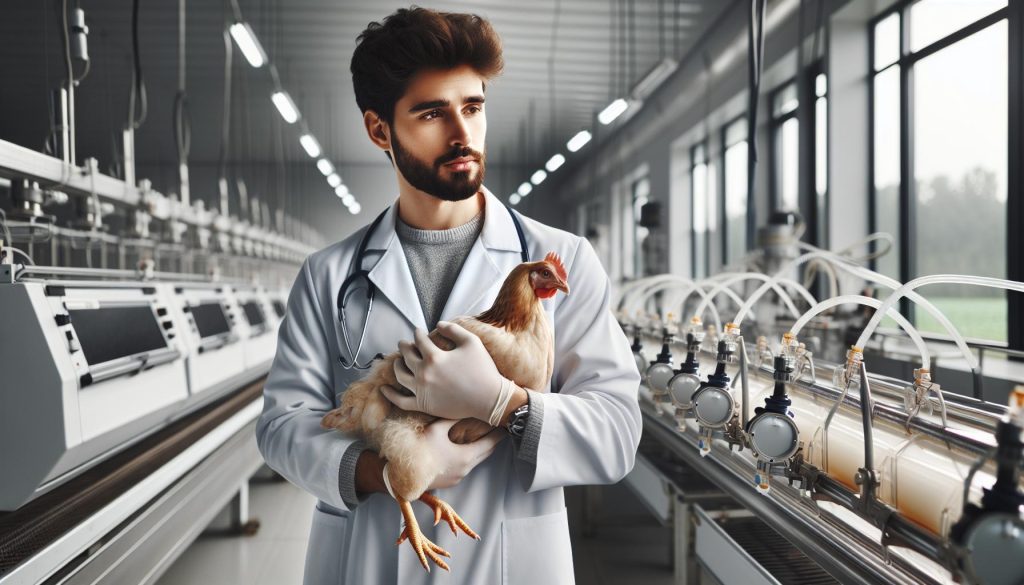
Unlock the secrets of poultry care! Learn how to artificially inseminate a chicken effectively and boost your flock’s productivity. Discover expert techniques now!
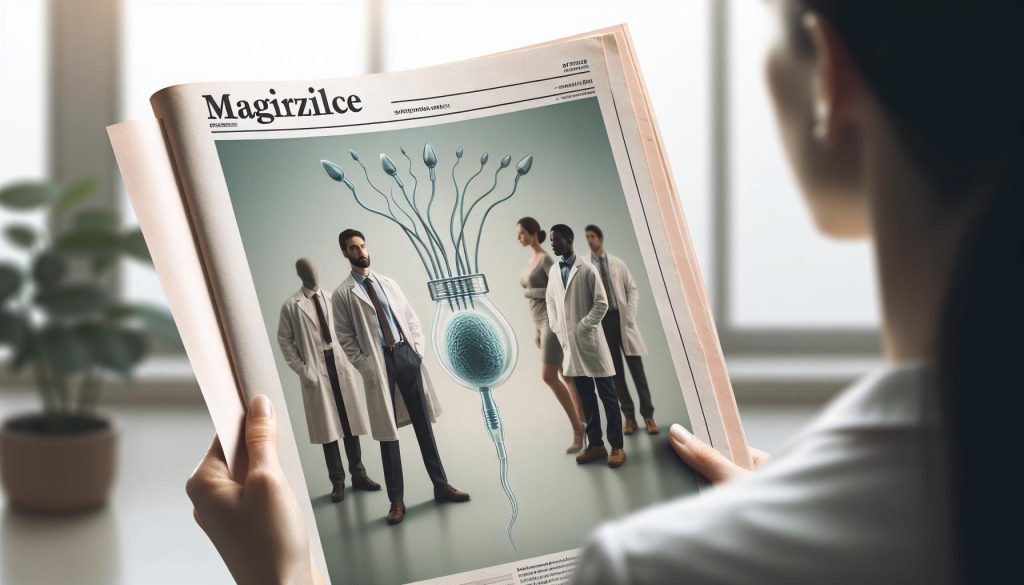
Discover how to store sperm for artificial insemination effectively! Learn essential preservation methods, expert tips, and maximize your fertility journey today.
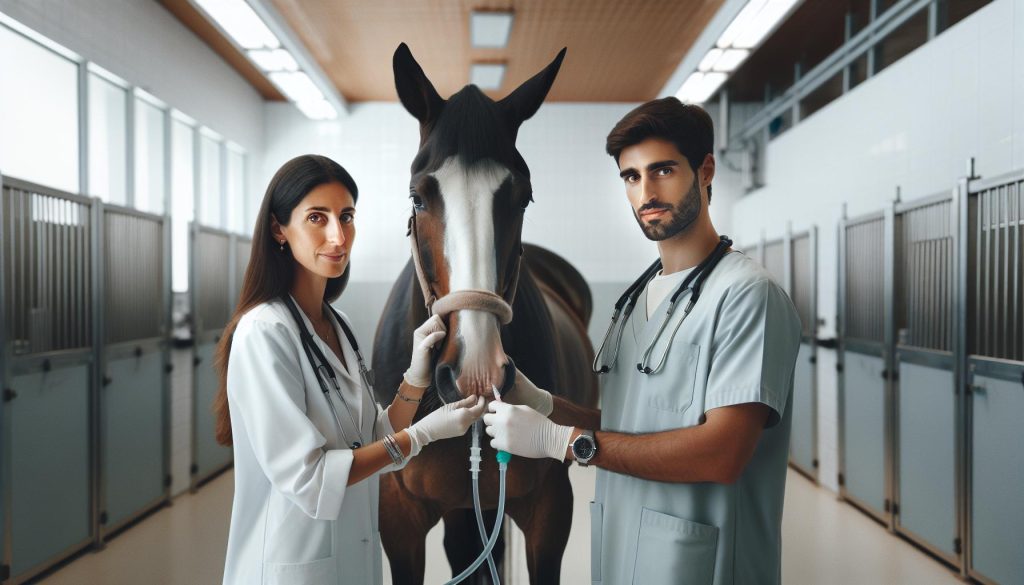
Discover how artificial insemination is performed on horses! Learn key techniques, success rates, and insider tips to succeed with this essential process.

Discover the key differences between artificial insemination and IVF! Learn which method suits your fertility journey best and find hope in your family-building options.