
Does Masturbation Causes Infertility? Myth or Medical Fact?
Does masturbation cause infertility? Discover the truth behind this common myth. Learn essential facts and find support for your reproductive journey today!
Reproductive Health is a specialized systemic reproductive wellness that optimizes endocrine, metabolic, and physical health parameters supporting the reproductive lifecycle to maximize preconception health, preserve gamete vitality, and ensure healthy pregnancy outcomes.
Evidence-based clinical analysis and patient guidance regarding what is the reproductive health: your complete overview.
Evidence-based clinical analysis and patient guidance regarding where does competition for reproduction most likely occur?.
Evidence-based clinical analysis and patient guidance regarding does fertilization occur in asexual reproduction: the truth.
Reproductive health encompasses the physical, mental, and endocrine well-being of the human reproductive system across all life stages. True preconception health begins months before active conception efforts, emphasizing metabolic homeostasis, nutritional optimization, vaccination immunity, and the mitigation of toxic environmental endocrine disruptors (such as BPA, phthalates, and per- and polyfluoroalkyl substances). Optimizing maternal and paternal cellular health directly enhances oocyte mitochondrial energetics and sperm DNA integrity.
Understanding cycle physiology—including the biphasic follicular and luteal phases, cervical fluid changes, and basal body temperature patterns—empowers individuals with reproductive literacy. Proactive screening for sexually transmitted infections (STIs), managing systemic comorbidities, and timely family planning conversations ensure smooth transitions toward assisted conception when indicated.
Medical guidelines recommend starting a high-quality prenatal vitamin containing at least 400 to 800 mcg of methylated folate or folic acid at least 2 to 3 months prior to active conception efforts.
Tobacco and nicotine exposure accelerated follicular egg depletion, causes tubal dysfunction, increases miscarriage risk in women, and significantly lowers sperm count, motility, and DNA integrity in men.
The fertile window spans the 5 days preceding ovulation plus the day of ovulation itself, with the highest probability of conception occurring during the 2 days immediately prior to ovulation.
Does masturbation cause infertility? Discover the truth behind this common myth. Learn essential facts and find support for your reproductive journey today!
Discover the cell division process that creates reproductive sex cells and unlocks the mystery of fertility. Learn how it impacts your family-building journey today!
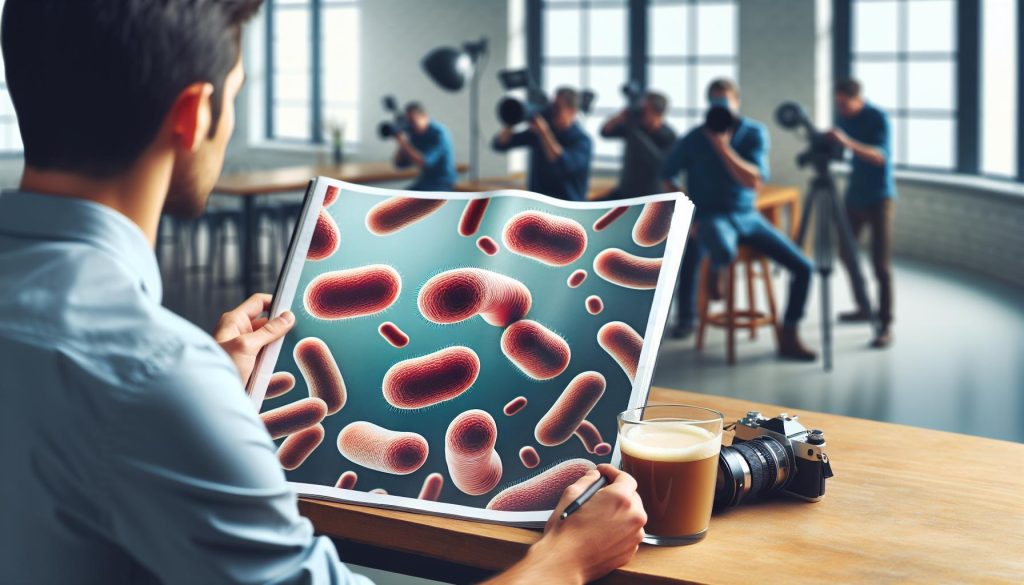
Uncover the type of bacterial reproduction depicted in the diagram! Discover key insights and gain clarity on microbial life. Click to learn more now!

Curious about French Bulldog breeding? Discover if all are artificially inseminated and uncover the truth behind their reproduction methods and challenges!

Discover how asexual reproduction in flowering plants works! Learn key facts and its importance for propagation. Click now for fascinating insights!

Curious if snakes have 2 reproductive organs? Discover fascinating facts and uncover the truth behind their unique anatomy that will surprise you!

Discover how alcohol affects reproductive organs and what it means for your fertility. Learn critical facts that could impact your journey to parenthood today!

Could your phone in your waistband be a cause of infertility? Discover the surprising link and get essential tips to protect your reproductive health today!

Discover the truth: Are you still a virgin if you get artificial insemination? Uncover the surprising insights about fertility and personal choices today!

Uncover the main advantage of sexual reproduction! Discover how genetic diversity enhances survival and adaptability. Learn more about its crucial role today!